
Muscle Health and Healthy Aging: Why Protein, Creatine, and Hydration Matter
Muscle Health and Healthy Aging: Why Protein, Creatine, and Hydration Matter
Maintaining muscle health is one of the best things you can do for long-term health. It supports strength, metabolism, mobility, recovery, and healthy aging.
Muscle is not just about appearance or fitness goals. Lean muscle mass plays a major role in how your body functions every day. It helps support:
- metabolism
- blood sugar regulation
- insulin sensitivity
- strength and mobility
- balance and stability
- recovery
- long term independence
Starting around your mid 30s, lean muscle mass can begin to decline if it is not supported through resistance training, enough protein, proper hydration, recovery, and good overall nutrition.
That loss can affect more than strength. It can impact energy, mobility, metabolism, and long-term health over time.
The good news is that muscle responds well to consistent habits. With the right nutrition, hydration, training, and supplementation, you can support strength, performance, and healthy aging for years to come.
Why Muscle Health Matters for Metabolism and Healthy Aging
Lean muscle is metabolically active tissue. That means it uses energy and plays a key role in how your body works each day.
Muscle also helps regulate glucose metabolism and insulin sensitivity, which makes it an important part of metabolic health and blood sugar balance.
Supporting muscle health can help with:
- blood sugar regulation
- insulin sensitivity
- strength and mobility
- bone health
- exercise performance
- healthy aging
For midlife women and active adults, preserving lean muscle becomes even more important. Hormonal changes, stress, aging, and inactivity can all contribute to muscle loss over time.
Supporting muscle is not just about how you look. It is about how well your body works over the long term.
Why Protein Matters for Muscle Health
Protein is one of the most important tools for maintaining and building lean muscle mass.
Your body needs protein to support muscle repair, recovery, and muscle protein synthesis, which is the process that helps maintain and build muscle tissue.
Whey protein is one of the best protein sources for muscle support because it is:
- a complete protein
- rich in essential amino acids
- high in leucine
- easy to digest and absorb
- effective for recovery and repair
Research suggests that about 25 to 40 grams of high-quality protein per meal may help support muscle protein synthesis.
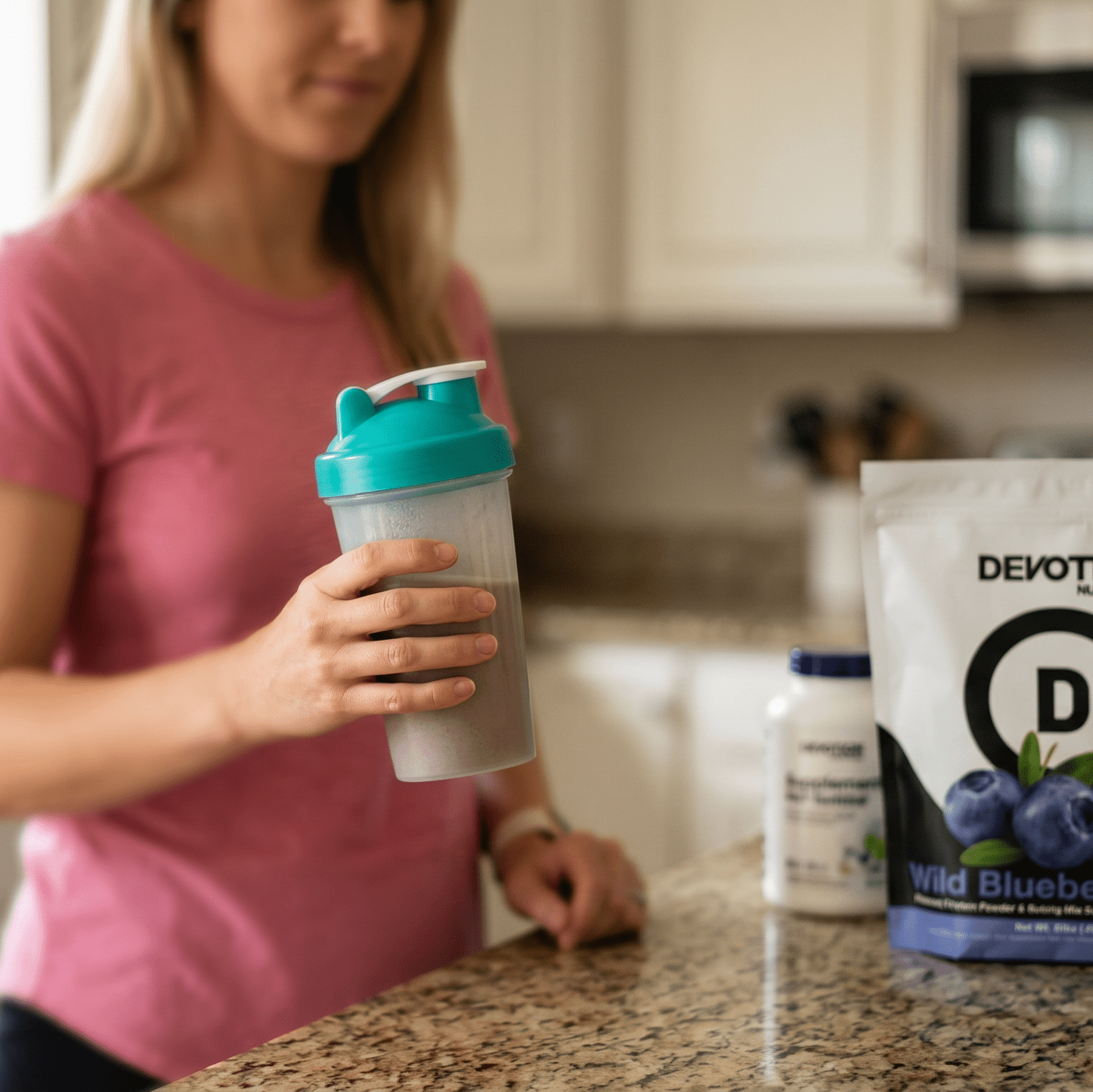
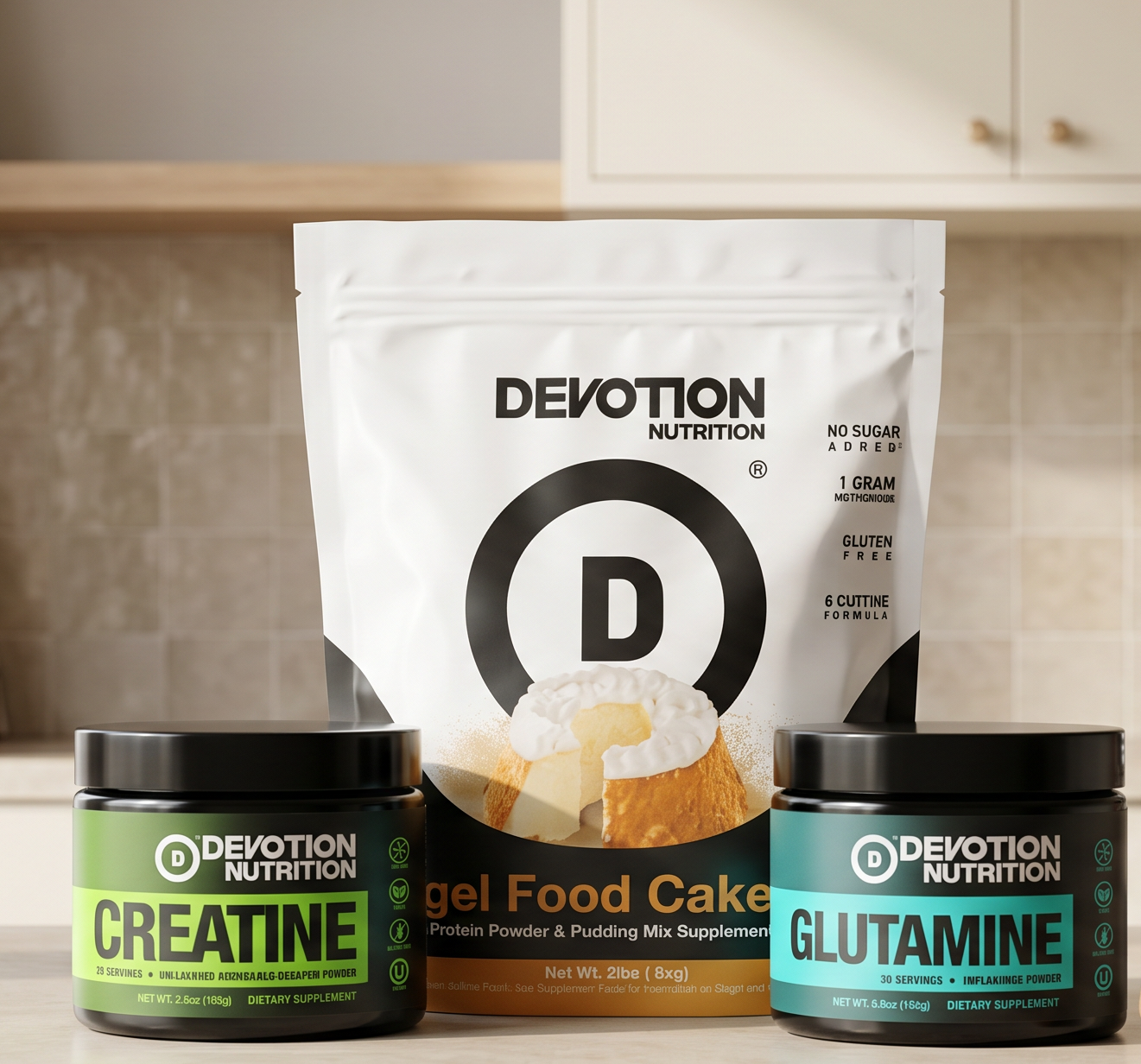
At Devotion Nutrition, our protein was designed to do more than make a basic shake. It can be used in baking, puddings, waffles, smoothies, oats, mug cakes, and other high-protein recipes that help make your goals easier to stick with.
How Much Protein Do You Need for Muscle Health?
A simple way to estimate protein needs is by body weight.
Many adults benefit from about 0.6 to 0.8 grams of protein per pound of body weight daily, though needs may increase based on:
- activity level
- resistance training
- recovery needs
- body composition goals
- satiety (hunger) needs
For example, a person who weighs 150 pounds may benefit from about 90 grams of protein per day at minimum. As a nutritionist I like to at least aim for no less that 1g per pound of goal bodyweight, and then some.
That breaks down to about 30-45 grams per meal if spread across three meals and then a couple light snacks.
That could look like:
- 4 to 5 ounces of cooked chicken
- Greek yogurt with added protein powder
- Whole eggs and egg whites paired with a high protein recipe
- Recipes made with Devotion Nutrition protein
For many people, getting enough protein from whole foods alone can feel hard with a busy schedule. That is where protein shakes, high-protein snacks, and easy recipes can help.
Easy High-Protein Snack Ideas
Adding one or two high-protein snacks during the day can help support:
- Satiety / hunger
- energy
- muscle maintenance
- balanced nutrition habits, this can keep you from feeling ravenous at night.
Examples include:
- Devotion protein pudding
- protein mug cakes
- protein waffles
- protein smoothies
- Greek yogurt mixed with Devotion protein powder
Why Muscle Preservation Matters More as We Age
Starting around our mid-30s, muscle mass can slowly decline if it is not supported.
This age-related muscle loss can affect:
- strength
- metabolism
- recovery
- balance
- energy
- quality of life as you age and independence
Hormonal changes, inactivity, stress, not eating enough protein, poor recovery, and too little resistance training can all speed up muscle loss.
That is why supporting lean muscle becomes so important in midlife and healthy aging.
Consistent nutrition, resistance training, hydration, recovery, and supplementation can all help support muscle over time.
Creatine Benefits for Strength, Recovery, and Healthy Aging
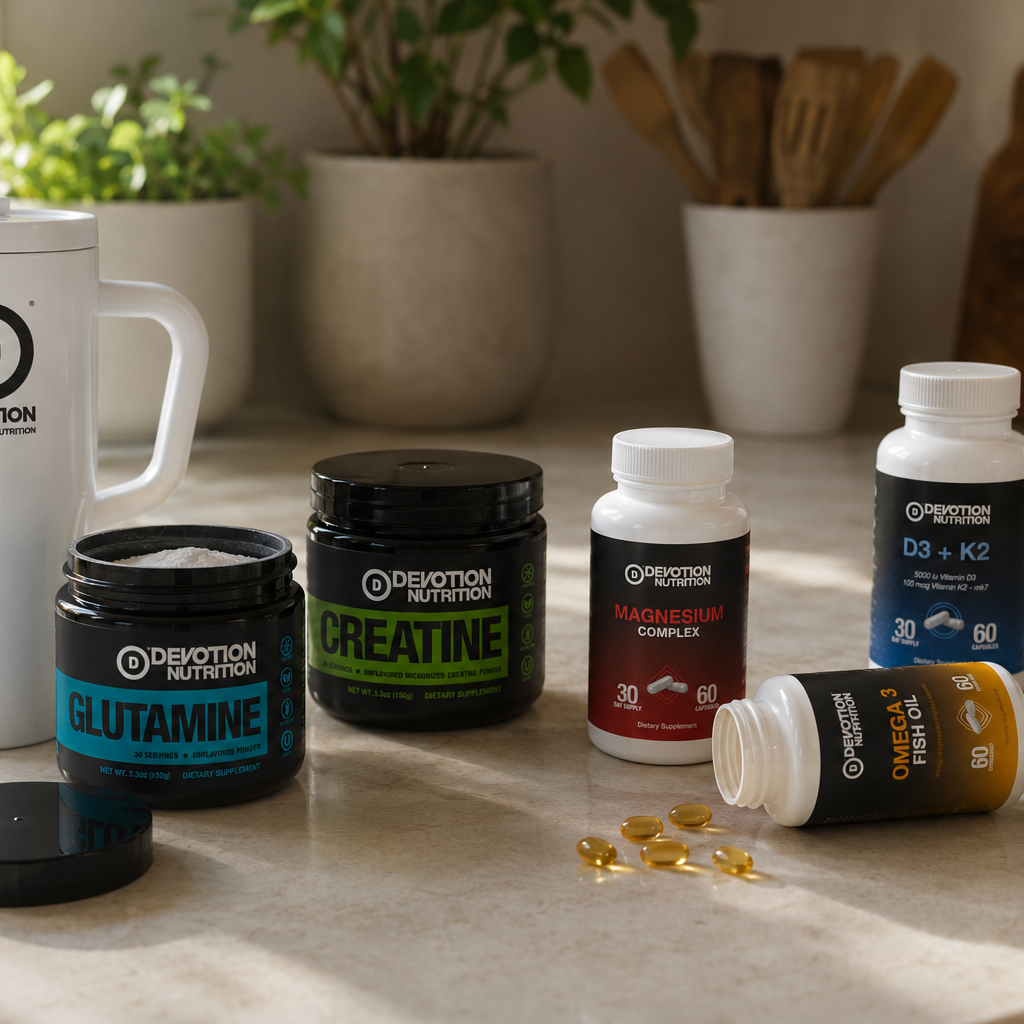
Creatine is one of the most studied supplements for muscle strength, lean muscle mass, recovery, and performance.
Creatine helps increase stored creatine in muscle cells, which supports ATP production. ATP is the body’s main energy source for muscle contraction and cellular energy.
Benefits of creatine include:
- supports muscle strength
- supports lean muscle mass
- supports resistance training
- helps preserve muscle with aging
- supports brain health and cognitive function
- supports daily energy
Why Creatine Is Not Just for Athletes
Creatine is not only for bodybuilders.
Women, active adults, aging adults, and anyone who wants to support muscle and strength over time may benefit from it. Creatine is the most studied naturally found supplement ever. Even young adults, children and teens benefit from eating creatine rich protein sources and supplementing when needed.
A typical daily dose is 5g taken daily. Time of day doesn’t matter nearly as much as being consistent with it daily.
Micronized creatine monohydrate is one of the most effective forms.
Glutamine Benefits for Recovery, Digestion, and Gut Health
Glutamine is the most abundant amino acid in the body. It plays a role in recovery, gut health, digestion, and immune support.
It does not directly stimulate muscle protein synthesis the way whey protein does, but it helps support the systems involved in recovery and overall wellness.
Benefits of glutamine include:
- muscle recovery
- improved digestion
- supports gut health and permeability
- supports immunity
- supports recovery during stress
Why Hydration Matters for Muscle Recovery and Performance
Hydration has a direct effect on strength, recovery, energy, performance, and daily function.
Muscle cells rely on water for:
- nutrient transport
- muscle contraction
- recovery
- electrolyte balance
- overall performance
Creatine also pulls water into muscle cells as part of its normal function, which makes hydration even more important when you take it regularly.
One simple way to support hydration is to build a daily routine that includes supplements you will actually use.
We love using Devotion Nutrition HydroFLEX flavors with the creatine and glutamine daily for an easy hydration and recovery routine.
HydroFLEX also provides electrolytes and B vitamins, which can help make hydration easier to stay consistent with.
A Simple Daily Hydration Routine
A practical hydration goal for many adults is about 80 to 120 ounces of fluid per day, with higher needs during exercise, hotter weather, stress and travel.
The best routine is the one you can stick with.
Example of Supporting All of Your Needs Throughout the Day
This does not need to be complicated. Let’s KISS (Keep It Simple Stupid)
Morning
- Water with HydroFLEX, Devotion Wellness Creatine, and Glutamine
- Protein-focused breakfast with 25 to 35 grams of protein - Bananas Foster Pancake Bowl, Mini Blueberry Loaf, or even an Apple Cinnamon Crunch Yogurt Bowl
Lunch
- Balanced meal with protein, carbs, healthy fats, fruits, and vegetables
- Aim for 25 to 40 grams of protein
Midday Snack
- Protein Peanut Butter Fruit Dip with apple slices
- Iced Protein Caramel Latte with 14 almonds and a small piece of fruit
- Greek yogurt with protein powder
- Jumbo Blueberry Protein Muffin with a tablespoon Peanut or Almond Butter smeared on
Aim for 20 to 25 grams of protein with fiber, carbs and fats
Dinner
- Lean protein source - Chicken, Turkey, lean beef, seafood, 1 whole egg and egg whites, etc.
- Vegetables
- Carbohydrates for energy and recovery (think beans, potatoes, rice, or a couple slices of bread
- About 30 to 40 grams of protein
Evening Snack
- Protein mug cake - Chocolate PB frosted Mug Cake or Lemon Iced Cake
- Protein dessert of choice
Again, aim for 15 to 25 grams of protein, combined with 7-10g fat
This kind of structure helps support:
- consistent protein intake
- muscle recovery
- hydration
- balanced energy
- long-term consistency
How to Support Muscle Health Long Term
Supporting muscle health is not about perfection. It is about consistency.
Long-term muscle support may include:
- regular resistance training
- enough protein
- proper hydration
- creatine supplementation
- glutamine for recovery support
- stress management
- quality sleep
- recovery between workouts
Muscle supports metabolism, strength, mobility, blood sugar regulation, recovery, healthy aging and overall quality of life. Maintaining lean muscle may be one of the most important investments you can make in your health.