



Resource
Blog
Filter by Category
Winter Hydration: How to Stay Hydrated in Cold Weather
When temperatures drop, winter hydration is usually not the first thing on your mind. You are not sweating through a summer afternoon, your water bottle may not seem as appealing, and thirst is less noticeable. But your body still relies on water every single day, no matter what the season.
That makes winter a good time to be more intentional about drinking consistently instead of waiting until you feel thirsty. The goal is not to force tons of water. It is to make daily hydration an easy part of your routine, and Devotion Nutrition's HydroFLEX can make that routine a lot more enjoyable.
Why Winter Hydration Is Easier to Forget
Thirst is one of the signals that encourages us to drink, but cold temperatures can make that signal less reliable. Research shows that exposure to cold can reduce thirst, which means you may not feel as motivated to drink even when your body would benefit from fluids.
Winter also changes our routines. We may spend more time indoors, reach for fewer cold drinks, and simply forget to refill the water bottle that rarely leaves our side during summer.
The takeaway is simple. Feeling less thirsty does not mean water suddenly matters less.
What Water Is Doing for You All Year Long
Water is essential for normal body function. It helps regulate body temperature, supports circulation, transports nutrients and waste products, and helps keep joints and tissues functioning normally.
Hydration may also influence how we feel and perform. Some studies have found that dehydration can affect attention and cognitive function, particularly as fluid losses become more substantial. So I am not going to promise you that drinking more water will magically boost your focus or energy. What I can tell you is that staying hydrated helps your body do everything it is designed to do, and that is reason enough to keep sipping.
Winter Hydration Is More Than Plain Water
Staying hydrated in winter does not mean you have to spend the entire day drinking plain water. Fluids from beverages and the water contained in foods both contribute to your total water intake.
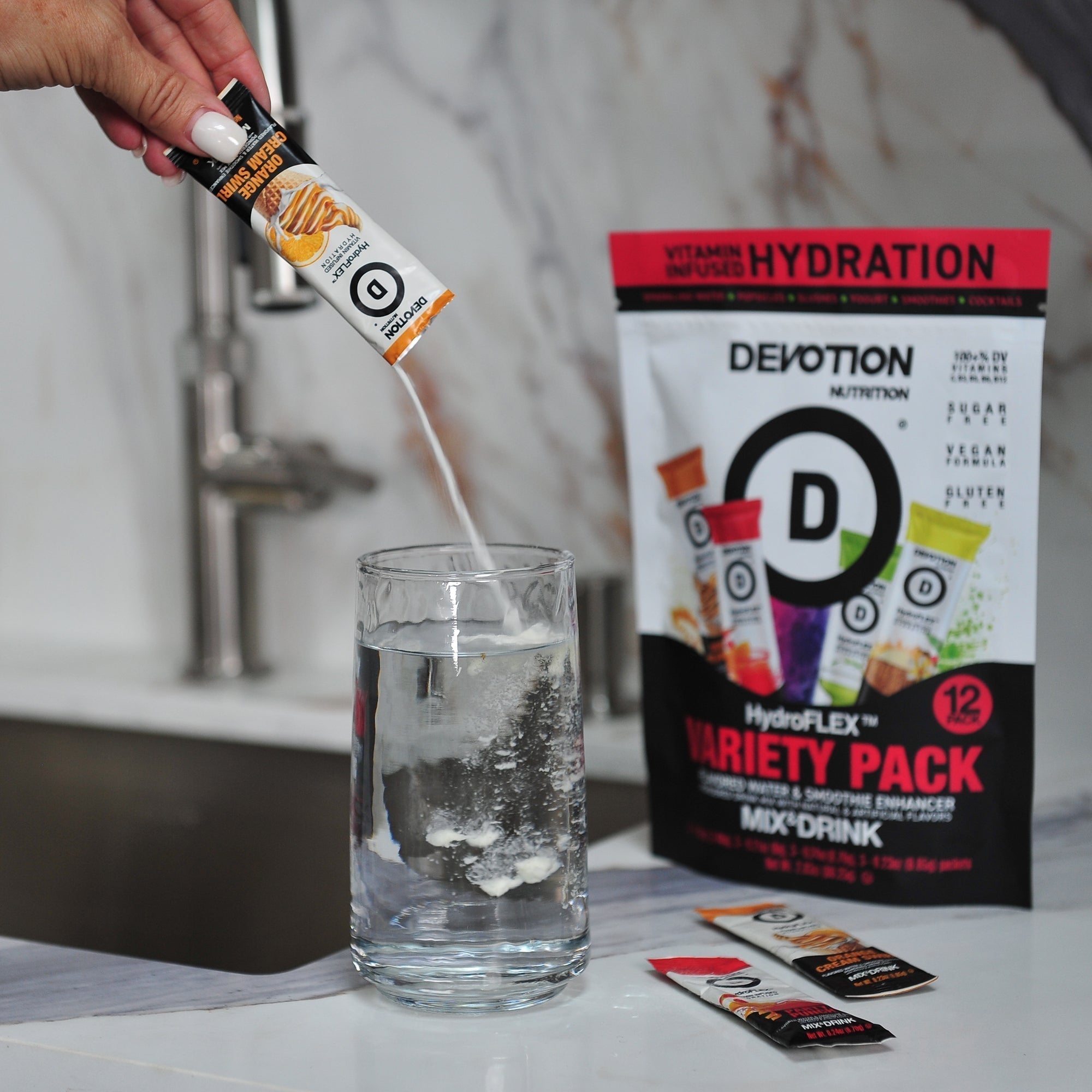
Soups, fruits and vegetables can all add water to the day. Warm beverages, like a Devotion Hot Peach Mango tea, can also make drinking fluids more appealing when an icy glass of water is the last thing you want. And when you do reach for your water bottle, a stick of HydroFLEX can turn it into something that actually tastes like a treat.
The most useful winter hydration routine is one you can actually maintain.
Make Your Water Something You Want to Drink
For many people, the biggest hydration challenge is not knowing that water matters. It is drinking enough of it consistently.
If plain water gets boring, adding flavor can make reaching for your bottle much easier. Fruit, herbs and other flavor additions can change things up, but this is also where HydroFLEX can make hydration feel less like another task on your wellness list.
HydroFLEX Vitamin Infused Hydration is a vitamin packed water enhancer that turns everyday water into a flavorful drink while adding vitamins and minerals. It is caffeine free and contains no added sugar, making it an easy option to use throughout the day. One stick can be mixed into 26 to 40 ounces of water, depending on how strong you like the flavor.
Instead of thinking about HydroFLEX as something you have to drink, think of it as one more way to make the water you already need more enjoyable.
5 Simple Ways to Stay Hydrated This Winter
1. Do Not Rely on Thirst Alone
If cold weather makes you less aware of thirst, build drinking into your routine. Have water when you wake up, with meals, during your workday and around exercise instead of waiting until you suddenly realize you have barely had anything to drink.
2. Keep a Water Bottle Where You Can See It
A bottle on your desk, in your car or next to you while you are working can act as a visual reminder. Convenience matters. The easier water is to reach, the easier it is to drink consistently.
3. Add Flavor
If you struggle with plain water, make it taste better. Add fruit or another favorite flavor, or keep HydroFLEX stick packs in your desk drawer, purse or gym bag so you can turn any bottle into something you actually look forward to drinking.
4. Eat Some of Your Water
Foods can contribute to daily fluid intake too. Soups are an obvious cold weather choice, while fruits and vegetables provide water along with other nutrients. Hydration does not have to come from one source.
5. Adjust for Activity
Winter workouts still count. Exercise increases fluid needs even when the weather is cold, and heavy clothing can make sweating less noticeable. Keep water available before, during and after activity, and adjust your intake based on the duration and intensity of your workout, your environment and your individual needs. Mixing HydroFLEX into your bottle before a workout is an easy way to make sure that water actually gets finished.
Winter Hydration FAQs
Do you need less water in the winter?
No. Your body relies on water year round for temperature regulation, circulation and normal function. Cold weather can blunt your thirst signal, which makes it easier to under drink, but your daily fluid needs do not disappear when summer ends.
What is HydroFLEX?
HydroFLEX Vitamin Infused Hydration is a vitamin packed water enhancer from Devotion Nutrition. It adds flavor, vitamins and minerals to plain water, with no caffeine and no added sugar. It is not an electrolyte or sports drink. It is a simple way to make the water you already drink taste better.
What is the easiest way to drink more water in cold weather?
Make it convenient and make it taste good. Keep a bottle within reach, drink at consistent points in your day, include water rich foods like soups, fruits and vegetables, and use a flavor option such as HydroFLEX so your water is something you look forward to.
Hydration Does Not Have an Off Season
Summer makes hydration easy to remember. Winter hydration requires a little more intention.
You do not need a complicated hydration schedule or a perfect number of ounces every single day. Start by keeping fluids available, drinking consistently, including foods with a high water content and making your water taste good enough that you actually want to drink it.
And when plain water is not calling your name, HydroFLEX can make filling up your bottle one of the easier habits to keep all winter long.
Winter Hydration Tips: Stay Hydrated | Devotion Nutrition
Winter Hydration Tips: Stay Hydrated | Devotion Nutrition
September 9, 2026
Back to school season brings new schedules, earlier mornings, packed lunches, after school activities and a whole lot more planning.
And somewhere between finding the missing shoe and getting everyone out the door on time, there is breakfast.
While mornings may never be completely stress free, having a few easy back to school breakfasts and snacks ready to go can make feeding the family one less thing to think about. With a little preparation and a few favorite Devotion Nutrition recipes, getting back into the school routine can be easier for everyone.
Why a High Protein Breakfast Matters for Growing Minds
There is a reason breakfast deserves a place in the back to school conversation.
After sleeping all night, kids are heading into a morning filled with listening, learning, problem solving and remembering new information. Research examining breakfast and cognitive performance in children has found that eating breakfast, compared with skipping it, may provide short term benefits in areas including attention, memory and executive function.
That doesn't mean there is one “perfect” breakfast that guarantees better grades. It does mean that sending kids into their school day fueled and ready to learn is a habit worth prioritizing.
And that is where protein can become part of a well rounded morning meal.
Protein provides essential amino acids needed for normal growth, development and countless functions throughout the body. Pairing a protein source with foods that provide carbohydrates, fiber and healthy fats helps create a more complete high protein breakfast for kids that keeps them fueled through a busy morning.
The best part? A nutritious breakfast doesn't have to mean getting up an hour earlier.
Easy Make Ahead Breakfast Ideas for School Mornings
One of the easiest ways to make school mornings less stressful is to stop relying on school mornings to make breakfast.
A few minutes of preparation the night before or over the weekend can turn a make ahead breakfast for school into something everyone can simply grab, heat or finish in minutes. These easy breakfast ideas for kids are the ones our Devotion families come back to all year long.
Overnight Oats
Overnight oats were practically made for busy school mornings.
Prep individual jars the night before and breakfast is already waiting in the refrigerator when everyone wakes up. Using Devotion Nutrition Protein Powder makes it easy to add protein while changing up the flavor so breakfast doesn't feel exactly the same every morning.
Try this Devotion recipe:
Add fruit, chia seeds, nut or seed butter, or another family favorite to create a breakfast that works for your household.
Pancake Bowls
Love pancakes but don't have time to stand over a griddle before school?
Enter the pancake bowl.
A Devotion pancake bowl gives families all the comfort of a pancake breakfast in a much easier weekday format. It is also one of the easiest breakfast ideas for kids to customize with berries, banana, nut or seed butter, or other favorite toppings.
Try this Devotion recipe:
It feels like a fun breakfast to kids without creating another complicated morning task for parents.
Jumbo Protein Muffins
Make them once. Have breakfast ready for days.
Devotion jumbo muffins are an ideal meal prep option because they can be made ahead of time and stored for mornings when there simply isn't time to cook.
Pair a muffin with fruit, yogurt or another favorite side for an easy breakfast before heading out the door.
Try this Devotion recipe:
Better yet, make a batch over the weekend and let everyone choose their favorite flavor for the week.
Healthy After School Snacks for Hungry Kids
The school bell rings and suddenly they're starving.
Having a snack plan can be just as helpful as having breakfast ready. Instead of waiting until hungry kids are standing in the kitchen asking what there is to eat, prepare a few healthy after school snacks ahead of time.
Protein can be included alongside fruits, vegetables, whole grains and other nutrient dense foods to turn snack time into another opportunity to help kids meet their nutritional needs.
And snacks don't have to look like “health food” to provide nutrition.
With Devotion Protein Powder, some of the foods kids already love can be made into fun, family friendly protein snacks for kids.
Kid Friendly Devotion Snack Ideas
HIGH PROTEIN CINNAMON PEANUT BUTTER DIP
PROTEIN FUDGE POPSICLES
1 INGREDIENT BROWNIE BATTER PUDDING
These can work for lunchboxes when appropriate, after school snacks, weekends or those evenings when sports and activities mean dinner is still a few hours away.
Back to School Meal Prep: One Session, Fewer Decisions All Week
Back to school meal prep isn't about creating a picture perfect refrigerator filled with individually labeled containers.
It's about making the busiest parts of the week easier.
Pick two or three recipes your family actually enjoys. Make what you can ahead of time. Keep simple ingredients available for the days when the plan changes. Then repeat the meals that work.
A Sunday prep might be as simple as making overnight oats for the next morning, baking a batch of Devotion jumbo muffins and preparing one grab and go snack.
That's it.
Because consistency doesn't require doing everything. It requires making the things that matter easier to keep doing.
Devotion Makes Back to School Fuel Easier
Getting back into a school routine takes enough energy already. Breakfast and snacks don't need to become another source of stress.
Devotion Nutrition Protein Powder makes it easy to add protein to recipes your family already recognizes and enjoys, from overnight oats and pancake bowls to muffins and kid friendly snacks.
Prepare a few favorites ahead of time, keep the routine simple and give everyone something they will actually look forward to eating.
Because when the alarm goes off tomorrow morning, breakfast shouldn't be the hardest part of getting out the door.
Devotion Nutrition Back to School Breakfast Ideas and Protein Snacks for Kids

Why You Need Fiber Every Day: GLP-1s, Aging, and the Health of Your Gut
Fiber is the most overlooked nutrient in the American diet. Most adults get barely half of what their bodies need each day, and the gap gets even wider for two groups of people: those taking GLP-1 medications like Semaglutide (Ozempic, Wegovy) or Tirzepatide (Mounjaro, Zepbound), and those over 40. If you fall into either group, or both, daily fiber is not optional. It is the difference between a digestive system that works with you and one that works against you.
In this article, we break down the two types of fiber your body needs, why fiber becomes even more critical on a GLP-1 and as you age, and the easiest way to build a daily fiber habit that actually sticks.
The Two Types of Fiber: Soluble and Insoluble
All fiber comes from plants, and your body cannot fully digest it. That is exactly what makes it valuable. Instead of being absorbed like other carbohydrates, fiber travels through your digestive tract doing important work along the way. There are two types, and they do very different jobs.
Soluble Fiber: The Sponge
Soluble fiber dissolves in water and forms a soft gel in your digestive tract. Think of it as a sponge. That gel slows digestion in a good way, which helps you feel full longer and keeps blood sugar from spiking after meals. Soluble fiber also helps lower LDL cholesterol, the type linked to heart disease and the type that increases as we age.
Soluble fiber is also where prebiotics come in. Prebiotic soluble fibers go to your colon undigested, where they become food for your good gut bacteria. As those bacteria ferment the fiber, they produce the fatty acids needed to support your immune system, reduce inflammation, and keep the thin lining of your gut healthy.
You will find soluble fiber in oats, beans, apples, citrus fruits, and in supplemental forms like soluble corn fiber, the prebiotic fiber used in HydroFLEX
Insoluble Fiber: The Broom
Insoluble fiber does not dissolve in water. Instead, it acts like a broom, sweeps food and waste through your digestive tract. This is the fiber that keeps you regular and helps prevent constipation. You will find it in brown rice, nuts, seeds, and the skins of many fruits and vegetables like potatoes, cucumbers, and apples.
Your body needs BOTH types every day. Soluble fiber softens and feeds, while insoluble fiber bulks and moves. Together they keep your digestive system running the way it was designed to.
How Much Fiber Do You Actually Need?
General guidelines recommend about 25-35 grams of fiber per day for women over 30 and 35 to 45 grams per day for men. The reality is that most only get 10 to 15 grams per day. That daily shortfall adds up over time in the form of sluggish digestion, blood sugar swings, increased hunger cravings and a gut microbiome that is essentially being starved of its favorite food.
Why Fiber Matters So Much on a GLP-1
If you are taking a GLP-1 medication, fiber goes from important to essential. Here is why. GLP-1 medications work in part by slowing down your digestive system. They delay how quickly food leaves your stomach, can cause bloating and reduce peristalsis, the muscle contractions that push waste through your colon.
That slowdown creates a chain reaction:
• Waste sits in your colon longer. Your colon's job is to absorb water. The longer stool sits there, the more water gets pulled out of it, leaving it hard, dry, and difficult to pass.
• You are eating much less food. Appetite suppression means smaller portions, and less food means less bulk moving through your system.
• Your fiber intake drops right when you need it most. When you can only stomach a few bites, protein takes priority and fiber rich foods like vegetables and fruits get squeezed out entirely.
This is why constipation is one of the most common side effects of GLP-1 medications. The fix is not harsh laxatives, which can irritate your intestines and create dependency over time. The fix is restoring what the medication took away: daily soluble fiber paired with plenty of water. Soluble fiber absorbs that water, keeps stool soft, and gently signals your colon to keep moving. Without enough water, fiber cannot do its job, which is why the two must always go together.
Why Fiber Matters More as You Age
Even without a GLP-1 in the picture, your digestive system naturally slows down with age. The muscle contractions that move food through your gut become weaker, which is why constipation becomes more common in your 40s, 50s, and beyond. At the same time, many adults eat less overall as they get older, shrinking fiber intake even further.
The benefits of daily fiber also become more valuable with every decade:
• Heart health. Soluble fiber helps lower LDL cholesterol, and heart disease risk climbs with age.
• Blood sugar control. Fiber slows the absorption of sugar, which supports stable energy and healthy blood sugar levels.
• Bone health. Research from Purdue University found that soluble corn fiber improved calcium absorption and helped preserve bone in postmenopausal women.
• Healthy weight. Fiber promotes fullness, which helps manage appetite as metabolism naturally shifts with age.
• A stronger gut. The diversity of your gut microbiome tends to decline with age, and prebiotic fiber is the most direct way to feed and support it.
Fiber and Gut Health: Feeding Your Microbiome
Your gut is home to trillions of bacteria that influence far more than digestion. They affect your immune system, your metabolism, and even your mood. Prebiotic soluble fiber is their preferred fuel. When you feed your microbiome daily, it rewards you with better digestion, better nutrient absorption, and short chain fatty acids that calm inflammation throughout the body.
Prebiotic fibers occur naturally in foods like garlic, onions, oats, asparagus, and slightly green bananas. Soluble corn fiber is a supplemental prebiotic that offers a major advantage: it resists digestion until it reaches the large intestine, where it ferments slowly and gently. Research published in the National Library of Medicine shows it is well tolerated and far less likely to cause the gas and bloating that thicker, grittier fiber supplements are known for.
The Easiest Way to Get Soluble Fiber Daily: HydroFLEX
The biggest reason people fail at fiber is not knowledge. It is friction. Choking down gritty fiber powders, swallowing handfuls of capsules, or forcing yourself to eat a giant salad when your appetite is gone simply does not last.
Devotion Nutrition HydroFLEX removes the friction. HydroFLEX is a sugar free, vitamin packed water enhancer whose very first ingredient is soluble vegetable fiber from corn, a gentle prebiotic soluble fiber. It mixes completely clear, tastes incredible, and delivers two things your gut needs in a single step: soluble fiber and the water that it requires to work.
For anyone on a GLP-1, that pairing is the whole game. You are hydrating and adding gentle fiber at the same time, without adding food volume to a stomach that cannot handle it. For anyone over 40, it turns the hardest daily habit into the easiest one: just flavor the water you should be drinking anyway.
A simple daily routine looks like this:
• Morning: Drink 32-40 ounces of water combined with 1 Devotion HydroFLEX when you wake up to signal your colon to start the day. Enjoy oats combined with protein for breakfast or have an apple or banana with your morning meal.
• Midday: Fill a your Ice Shaker with water and HydroFLEX, then sip it slowly over a few hours. This delivers a steady stream of hydration and prebiotic fiber without overwhelming your stomach. You can also add more veggies and beans to your lunch.
• Evening: Take a 15 minute walk after dinner to help stimulate digestion before you wind down for the night.
Remember, HydroFLEX adds to your fiber intake, it does not replace whole foods. Fruits, vegetables, beans, and whole grains supply the insoluble fiber, vitamins, and antioxidants your body also needs. Think of HydroFLEX as the tool that fills the daily gap and keeps you consistent.
Frequently Asked Questions
What is the difference between soluble and insoluble fiber?
Soluble fiber dissolves in water and forms a gel that softens stool, supports healthy cholesterol and blood sugar levels, and feeds good gut bacteria. Insoluble fiber does not dissolve. It adds bulk and helps move food and waste through your digestive tract. You need both types every day.
Why is fiber so important on a GLP-1 medication?
GLP-1 medications slow digestion and shrink appetite, so fiber intake drops while waste moves more slowly through the colon. Daily soluble fiber plus plenty of water keeps stool soft and keeps things moving, without relying on harsh laxatives.
What type of fiber is in HydroFLEX?
HydroFLEX contains soluble vegetable fiber from corn, also called soluble corn fiber. It is a prebiotic soluble fiber that dissolves clear in water, is gentle on the stomach, and feeds the beneficial bacteria in your gut.
Does HydroFLEX replace fiber from fruits and vegetables?
No. HydroFLEX is a convenient way to boost your daily soluble fiber, but whole foods provide insoluble fiber plus nutrients a supplement cannot. Use it alongside a balanced diet, not in place of one.
Sources
Mayo Clinic: Dietary fiber, essential for a healthy diet
Mayo Clinic: Probiotics and prebiotics guide
National Library of Medicine: Soluble corn fiber tolerance and gut health
PepsiCo Health and Nutrition Sciences: Prebiotic soluble corn fiber and digestive health
APAOG: Soluble corn fiber may improve women's bone health
Why You Need Fiber Every Day: GLP-1s, Aging, and the Health of Your Gut

Why Consistency Matters More Than Perfection
If you've ever felt like one meal completely ruined your progress, you're not alone. For years, we've been told that healthy eating means following the perfect plan, never missing a workout, and avoiding every food that doesn't fit into a strict set of rules. That mindset is exactly why so many people find themselves stuck in the cycle of starting over every Monday.
The truth is, lasting health isn't built by being perfect. It's built by showing up consistently.
At Devotion Nutrition, we believe healthy living should fit into your life, not the other way around. Nutrition should be realistic, enjoyable, and something you can maintain through vacations, holidays, celebrations, busy work weeks, and everything in between. The habits you repeat over time have a much greater impact on your health than the occasional less than perfect meal, so instead of chasing perfection, focus on building routines you can stick with for the long haul.
Your Daily Habits Shape Your Long Term Health
Think about brushing your teeth. You probably don't rely on motivation to do it every day. You simply do it because it's part of your routine. Healthy habits work the same way. Your body doesn't respond to one healthy meal or one workout. It responds to what you consistently do over weeks, months, and years.
One healthy choice won't transform your health overnight, and one night out for pizza, a burger, any indulgent meal out OR missed workout won't erase your progress. What matters most is what you do consistently. The more often you make choices that support your body, the more those small decisions add up to meaningful results.
Why Motivation Isn't Enough
Motivation can help you get started, but it won't always be there when life gets busy. Work deadlines, vacations, family responsibilities, and unexpected challenges can all make healthy eating feel harder. That's why routines are more powerful than motivation. When healthy behaviors are repeated in a stable routine, they become more automatic over time and much easier to maintain. Simple habits can make healthy choices easier, such as:
Keeping Devotion protein and other rich foods available
Preparing meals or ingredients ahead of time
Carrying a water bottle throughout the day
Having nutritious snacks ready for busy schedules
Small habits repeated consistently ALWAYS outperform big changes that only last a few weeks.
One Meal Doesn't Define Your Progress
One meal doesn't determine your results. Neither does one dessert, one celebration, one vacation, or one weekend away. Your overall pattern of eating and living is what matters most, and a balanced lifestyle leaves room for date nights, holidays, and celebrations without guilt.
Instead of labeling foods as good or bad, focus on the bigger picture. Enjoy the meal, move on, and return to your normal routine at your next opportunity. There's no need to skip meals, drastically cut calories, or try to earn back your progress. The people who experience long term success aren't perfect. They're simply willing to return to their healthy habits after life gets in the way. That's what consistency looks like, and consistency always wins over extremes.
Focus On Progress Instead Of Perfection
Perfection often creates an all or nothing mindset, while progress comes from making better choices more often than not. That may look like prioritizing protein at meals, drinking more water, moving your body regularly, and getting enough sleep. None of these habits need to be perfect. They simply need to become part of your routine.
Build Habits That Fit Your Real Life
One of the biggest reasons people struggle to stay consistent is that they try to change everything at once. Extreme plans may feel exciting in the beginning, but they're often the hardest to maintain when life gets busy. Instead of asking yourself what's perfect, ask yourself what's realistic.
If mornings are rushed, have a quick protein rich breakfast ready. If evenings are hectic, prep ingredients ahead of time. If you travel often, keep convenient snacks with you. Healthy habits don't have to be complicated. They simply need to fit your lifestyle.
Make Protein Part of Every Day
One of the simplest habits you can build is making protein a priority. Protein helps support muscle maintenance, promotes fullness after meals, and makes balanced eating easier over time. Rather than eating most of your protein at dinner, aim to include a quality source throughout the day. Easy options include:
Devotion Protein powder (breakfast, treats and even ice cream )
Greek yogurt
Eggs
Chicken or turkey
Cottage cheese
Fish or frozen shrimp
For busy days, convenient options can make consistency much easier. Devotion Nutrition Protein Powder was designed to fit seamlessly into everyday life and do far more than make shakes. Blend it into smoothies, stir it into oatmeal or overnight oats, mix it into yogurt, or bake it into your favorite high protein recipes. It's an easy way to increase your daily protein intake while enjoying foods you already love. Healthy eating shouldn't feel restrictive. It should feel sustainable, and when nutritious choices become enjoyable and easy to repeat, consistency naturally follows.
Hydration Is a Daily Habit
Hydration is one of the simplest habits you can build, yet it's often overlooked. Making water part of your daily routine can help support overall wellness, physical performance, and energy throughout the day. Simple ways to drink more water include keeping a water bottle nearby, drinking water with meals, and refilling your bottle throughout the day.
If plain water isn't appealing, adding flavor may help you drink more consistently. HydroFLEX was created to make hydration enjoyable while providing vitamin C, B vitamins, magnesium, sodium, and potassium, all without added sugar or artificial dyes. Sometimes making healthy habits easier is all it takes to make them stick.
Small Choices Create Big Results
Healthy living isn't built on one perfect decision. It's built on the small choices you repeat every day. Prioritizing protein, drinking enough water, moving your body, planning ahead, and getting enough sleep may not seem extraordinary on their own, but together they create the foundation for long term health. The goal isn't perfection. It's creating a routine you can enjoy and maintain for years to come.
Why Consistency Matters More Than Perfection
Why Consistency Matters More Than Perfection
August 3, 2026
Walk into any gym or scroll any feed and you will see pills, powders, and shakes promising more muscle, more energy, and faster results. It can be a lot to sort through. The truth is that supplements for men are not magic, and they will never replace good food, sleep, stress reduction and steady training. Used the right way, though, a few well chosen ones can make your effort go further.
You are not alone if you already take something. More than half of adult men in the United States use some kind of supplement, according to data from the CDC. Men reach for them for all sorts of reasons, from building muscle to supporting heart, bone, joint, and everyday health.
Always talk with your doctor before starting anything new, especially if you have a health condition or take medication. Below is a look at the supplements that truly work and you will no longer need that cabinet full of things that aren't doing all you think they promise.
In This Guide
Protein Powder
Creatine
Glutamine
Magnesium
Omega 3 Fish Oil
Vitamin D3 + K2
Caffeine
Do Not Forget Hydration
How to Build a Simple Routine
When to Take Them
Frequently Asked Questions
Protein Powder
What it is
Protein powder is one of the most popular supplements in the world. It is a complete, high quality protein that your body absorbs quickly, which makes it the go to choice around workouts when your muscles are ready to rebuild and any time you are looking to hit your protein daily goal. The other form you will see is casein, whey's slow digesting partner. Casein releases more gradually, which is why many men like it before bed, since your body does much of its repair and rebuilding while you sleep. The best protein powder pairs the two so you get fast and slow protein in one scoop.
The benefits
Protein is the raw material behind muscle repair and growth. It is a complete protein, meaning it supplies all the essential amino acids your body cannot make on its own, and it is rich in the specific aminos that drive muscle building. Hard training creates tiny tears in your muscle fibers, and protein is what rebuilds them back stronger through a process called protein synthesis. Because it absorbs fast, protein powder is especially useful right after a workout.
Protein powder also helps you feel full, which can make eating well easier and support fat loss. In one systematic review, higher protein intake led to modestly better body weight results compared with lower protein diets. In the short term, a higher protein diet has also been linked to more fullness and a small bump in the calories you burn digesting food.
What to look for
A clean, versatile protein powder is Devotion Nutrition Protein Powder, built on fast absorbing whey isolate in an 80/20 blend with micellar casein. Each serving gives you 20 grams of protein with no added sugar, so you get both the fast whey and the slow casein in one scoop. It mixes into shakes, coffee, oatmeal, and baked goods, which makes hitting your daily protein target a lot less of a chore.
Creatine
What it is
Creatine is a natural compound your body makes and stores in your muscles. Your body converts it to help produce ATP, the quick burst of energy your muscles use during hard, short efforts like lifting or sprinting. The catch is that your own creatine stores get used up fast, which is where a supplement comes in. Topping off those stores keeps energy production going so you can train harder and a little longer.
The benefits
Creatine is one of the most researched supplements there is. It is best known for supporting strength, power, and lean muscle during high intensity training, and it can also shorten recovery time between hard efforts. A recent review of creatine and exercise found clear benefits for strength and power output across a wide range of people. That combination of better training and faster recovery is why so many men keep it in the rotation. Creatine not only benefits your muscle and recovery, but is widely known for it's cognitive benefits with consistent use as well as improving bone health.
What to watch for
Some men notice a little water weight early on. That is water stored inside the muscle, not fat, and it often comes with better performance. On dosing, many men simply take about 5-10 grams a day.
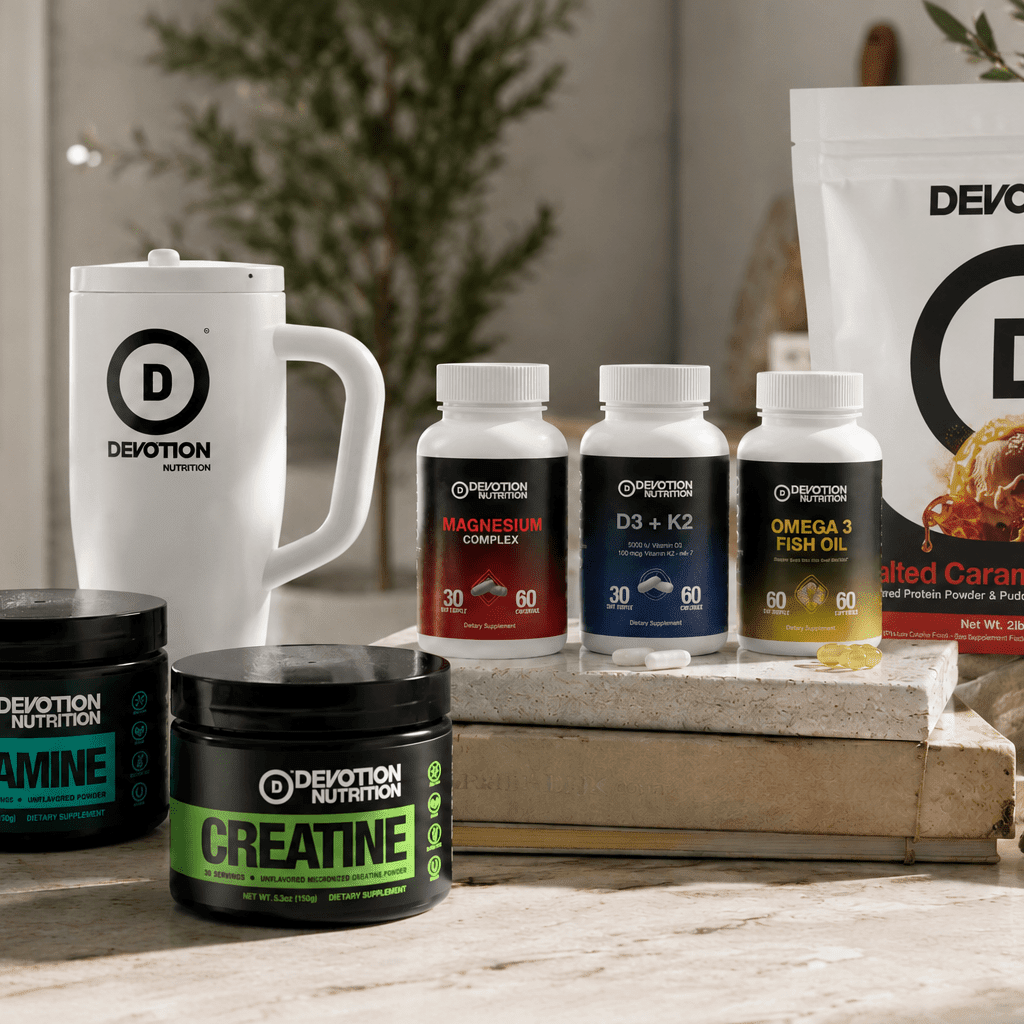
Devotion makes it easy with Micronized Creatine Monohydrate. Each serving delivers 5 grams, it is unflavored, and it is micronized so it mixes smoothly into water, a shake, or any HydroFLEX flavor without grit. It also pairs well with Pure L-Glutamine if you want strength and recovery support together.
Glutamine
What it is
Glutamine is an amino acid your body makes on its own, and it is the most abundant amino acid in your muscles. It quietly supports a lot of everyday functions, including immune health, clearing waste products, and improving overall digestion.
The benefits
Glutamine is a primary fuel source for the cells that line your gut, so it plays a real role in supporting a healthy gut lining and smooth digestion. That gut connection is one of the main reasons men add it beyond the gym. On the training side, glutamine supports recovery and helps protect your lean muscle during hard or long sessions, when your body might otherwise pull from muscle for energy. Healthy adults usually make enough on their own, so the biggest benefit tends to show up during heavy training, dieting, illness, or other high stress stretches. Some research also points to faster recovery after injury, surgery, or serious illness.
What to watch for
Glutamine is generally well tolerated. It is not right for everyone, though, and people with certain conditions such as liver disease should avoid it, so check with your doctor before adding it if you have a health concern.
Devotion's Pure L-Glutamine Powder is a single ingredient, unflavored option that stirs into a shake, water, or your HydroFLEX without changing the great HydroFLEX taste. It works well for gut and recovery support, post workout, between meals, or before bed.
Magnesium
What it is
Magnesium is a mineral your body relies on for hundreds of everyday jobs, from producing energy to keeping your muscles, nerves, heart, and digestion working the way they should. It is one of the most important minerals to pay attention to, and also one of the easiest to run low on.
Why so many run low
Here is the part most men miss. Magnesium is one of the nutrients people fall short on most often. Adult men need roughly 400 to 420 milligrams a day, and national intake data show that many simply do not get that much from food. Modern diets lean heavy on processed foods and light on the leafy greens, nuts, seeds, beans, and whole grains where magnesium naturally lives, and hard training makes it harder still, since you lose magnesium through sweat. When your levels run low, your body tends to feel it fairly quickly through things like muscle cramps, restless sleep, low energy, and a shorter fuse under stress.
The benefits
Magnesium is best known for helping muscles relax. Muscles that cannot relax are more likely to cramp, which is both painful and a setback, so keeping your levels topped off supports recovery and helps you feel ready for the next session. Magnesium also helps calm the nervous system, which is why it is so often used to ease stress and support deep, restful sleep, and sleep is when much of your recovery and muscle repair actually happens. It even plays a role in healthy digestion, so a steady magnesium routine supports how your body relaxes, rests, digests, and recovers each day.
What to watch for
Very large doses can loosen the stool. Starting with the amount on the label and taking it in the evening works well.
Devotion's Magnesium Complex makes it easy to restore this essential mineral and support relaxation, recovery, digestion, and rest as part of a simple daily routine. You can read more in Devotion's guide to its Essential Magnesium Blend.
Omega 3 Fish Oil
What it is
Omega 3 fatty acids are healthy fats, mainly EPA and DHA, found in fatty fish like salmon and sardines. Most do not eat enough fish to get a steady supply, which is where a fish oil supplement comes in.
The benefits
Omega 3s are among the most common supplements adults take, and for good reason. They are best known for supporting heart health. A review of omega 3 research found that fish oil can help lower triglycerides, a blood fat tied to heart health, by a meaningful amount. Omega 3s are also widely used to support joint comfort and overall wellness. They fill a gap that many everyday diets leave wide open.
What to watch for
Fish oil is generally safe for most. At higher doses it can thin the blood slightly, so check with your doctor first if you take a blood thinner or are heading into surgery.
Devotion offers Omega 3 Fish Oil Softgels as a simple daily option to support heart and joint health, taken with your dinner at night alongside of Devotion Wellness' Magnesium is the best time to do this as it's also known to improve testosterone levels.
Vitamin D3 and K2
What they are
Vitamin D3 supports bone strength, immune health, and mood, and vitamin K2 works alongside it to help send calcium into your bones where it belongs.
The benefits
Vitamin D3 + K2 is one of the most common shortfalls, especially for men who spend a lot of time indoors or live where winters cut down on sunlight. In fact, low vitamin D is remarkably widespread. A review on vitamin D notes that inadequate levels affect a large amount of people worldwide and is linked to weaker bones and a higher risk of fractures as you age. Pairing D3 with K2 helps that calcium reach your bones. These will not directly power a single workout, but they help keep your body running the way it should so you can perform and recover at your best.
Devotion's wellness lineup includes a Daily Immune Support Supplement and Vitamin D3 5000iu with K2 to round out a simple daily routine.
Caffeine
What it is
Caffeine is a stimulant you already know from coffee and tea. It is also a common ingredient in pre workout formulas because it can boost energy and focus.
The benefits
Taken before a workout, caffeine can make exercise feel a little easier and help you push harder, especially during longer workouts like running. It is less helpful for short, all out efforts like sprinting or a max lift. It absorbs fast, usually within about 15 to 45 minutes, the lift lasts roughly a half hour to over an hour, and it also helps your body tap into fat for fuel.
What to watch for
More is not better. Too much can cause jitters, a racing heart, anxiety, stomach upset, or trouble sleeping, and it can make existing sleep problems worse. Keep an eye on your total for the day and stop early enough in the afternoon that your sleep does not suffer. For a lot of men, a plain black coffee before training does the job just fine.
Do Not Forget Hydration
Supplements get most of the attention, but hydration contributes to how you feel and perform. When you train or sweat in general you lose fluids and even mild dehydration can drain your energy and slow recovery. Plain water works, but many men simply do not drink enough of it.
That is where a vitamin packed water enhancer helps. HydroFLEX turns plain water into something you actually want to drink, with electrolytes and essential vitamins and no sugar or caffeine. It comes in eight flavors, so staying hydrated through a busy day or a hard workout becomes easy and enjoyable. You can even mix your unflavored creatine or glutamine right into it.
How to Build a Simple Routine
You do not need a cabinet full of bottles. Most men do well by starting with the basics and adding only what fits their goals. A simple, sustainable stack beats a complicated one you cannot stick with.
Start with the foundation. A quality protein powder covers muscle repair and helps you stay full.
Add creatine for strength and power if building muscle is a priority.
Support gut health, recovery, and sleep with glutamine and magnesium, especially during heavy training.
Fill everyday gaps with a daily foundation like omega 3, vitamin D3 with K2, and immune support.
Stay hydrated with HydroFLEX so your energy and recovery do not fall behind.
When to Take Each Supplement
Timing can help you get a little more out of each supplement, but for most of them consistency matters more than the exact hour. Here is a simple guide to when each one fits best.
Protein: any time you need to reach your daily protein goal. IT's a great option anytime of day.
Creatine & Glutamine daily, at whatever time you will remember. Taking it daily matters far more than the timing, and many men simply add it to a post workout shake or their HydroFLEX water first thing in the morning.
Magnesium: in the evening with your Omega 3 at dinner. It supports relaxation and sleep, so it fits naturally into a wind down routine.
Omega 3 fish oil: Take with your evening magnesium, with a meal that has some fat, helps your body absorb it. Consistency day to day matters most, always.
Vitamin D3 with K2: with a meal, ideally one containing fat, since it is fat soluble. Morning is the best choice.
Caffeine (optional): about 30 to 45 minutes before a workout for the energy boost. Keep it out of the late afternoon and evening so it does not disturb your sleep.
A Word of Caution
Supplements are exactly what the name says. They add to a solid diet and training plan, they do not replace it. The market is full of bold claims and untrained salespeople who rarely mention side effects, so it pays to choose a brand that is clean, third party tested, and honest about what is inside. Devotion products are all third party tested for quality and label accuracy, which takes out the guesswork
Before you begin any new supplement, especially if you have a health condition or take medication, talk with your doctor. A quick conversation now can save you trouble later and help you pick what is truly right for you.
Frequently Asked Questions
What supplements should men take every day?
For most men, a simple daily foundation covers the bases: a great tasting protein to hit your protein goal, creatine, glutamine and everyday basics like omega 3, vitamin D3 with K2, and magnesium. You do not need a cabinet full of bottles to see results.
Is it safe to take several supplements together?
For the basics, it generally is, and many men take protein, creatine, and a few daily vitamins together with no trouble. Still, it is smart to check with your doctor before combining supplements, especially if you take medication or have a health condition.
Do I still need supplements if I eat a healthy diet?
Whole foods always come first. Supplements are there to fill the gaps a busy life leaves behind, like reaching a higher protein target, covering a common magnesium or vitamin D shortfall, or getting omega 3s when you do not eat much fish. They add to a good diet rather than replace it.
When is the best time to take creatine?
Creatine is best taken daily at whatever time you will remember, since taking it consistently matters more than the timing. It takes up to 10 days to begin crossing the blood / brain barrier for the cognitive benefits it is key in providing
Can I mix creatine or glutamine into my drinks?
Yes. Devotion's unflavored creatine and glutamine stir easily into water, a shake, or any HydroFLEX flavor without changing the taste, which makes them simple to work into your day.
Best Supplements for Men: A Simple Guide to What Actually Works
Menopause brings plenty of changes, but one of the most overlooked is the gradual loss of muscle, decline of cognitive function (that brain fog) and more. Many women begin noticing that they are not as strong as they used to be, workouts feel more challenging, recovery takes longer, and maintaining a healthy body becomes more difficult. While these changes are common, they don't have t be a part of getting older that you have to accept.
The years leading up to and following menopause are the perfect time to focus on preserving muscle, supporting bone health, and building habits that promote healthy aging. Strength training, adequate protein intake, fiber, quality sleep, and evidence based supplements all play a role.
One supplement that continues to gain attention is creatine. I wanted to break down what the research says about creatine for menopause, including how it supports muscle, strength, bone health, and healthy aging.
Although creatine has always been associated with athletes and bodybuilders, research has shown that its benefits extend far beyond the gym. When paired with resistance training, creatine helps support muscle strength, performance, lean muscle mass, and daily function, making it an excellent addition to many women's wellness routines during perimenopause and menopause and throughout life no matter what age you are.
What Happens During Menopause?
Menopause is a natural stage of life marked by declining estrogen levels. While symptoms like hot flashes, sleep disturbances, and mood changes often receive the most attention, hormonal changes also affect muscle, bone, and metabolism.
Beginning as early as your 40s, women naturally start losing lean muscle mass. This process can accelerate during menopause, making it more difficult to build and maintain muscle without intentionally prioritizing resistance training and adequate protein intake.
Muscle is about much more than appearance. Healthy muscle supports balance, mobility, posture, blood sugar management, metabolic health, and the ability to remain independent as you age.
Research has consistently shown that maintaining muscle through exercise and nutrition is one of the most effective strategies for supporting healthy aging.
Why Protein Becomes More Important After 40
As we age, our muscles become less responsive to smaller amounts of protein. This means getting enough high quality protein throughout the day becomes much more important for supporting muscle maintenance and recovery.
Instead of saving most of your protein for dinner, aim to include a quality protein source at every meal and snack.
That is where Devotion Nutrition Protein can make daily nutrition easier.
Each serving provides 20 grams of complete protein from whey isolate and micellar casein, delivering a smooth texture that is ideal for more than shakes. Because it was specifically designed for baking and cooking, it is easy to add protein to pancakes, waffles, muffins, overnight oats, smoothies, protein pudding, breads, desserts, and dozens of other everyday recipes.
Consistently meeting your protein needs helps provide the building blocks your muscles need while supporting satiety and overall wellness.
What Is Creatine?
Creatine is a naturally occurring compound made from three amino acids and stored primarily in muscle. Your body produces some creatine on its own, and small amounts are found naturally in foods like beef, poultry, pork, and fish.
Its primary role is to help regenerate ATP, the body's quick source of energy for short bursts of activity. Whether you are lifting weights, climbing stairs, carrying groceries, or getting up from the floor, your muscles rely on ATP to perform those movements.
Supplementing with creatine helps increase your body's creatine stores, allowing your muscles to produce energy more efficiently during any activity.
Among all forms of creatine available today, creatine monohydrate remains the most researched and is considered the gold standard for effectiveness and safety.
Source: National Institutes of Health, Office of Dietary Supplements, Creatine Fact Sheet
Why Creatine Matters During Menopause
One of the biggest goals during menopause is not simply maintaining your weight. It is preserving muscle.
When paired with regular resistance training, creatine has been shown to support improvements in muscle strength and lean muscle mass, making it especially valuable during a stage of life when both naturally begin to decline.
Creatine does not replace strength training or proper nutrition. Instead, it works with those healthy habits by helping your muscles perform more work during exercise, which may lead to greater improvements over time.
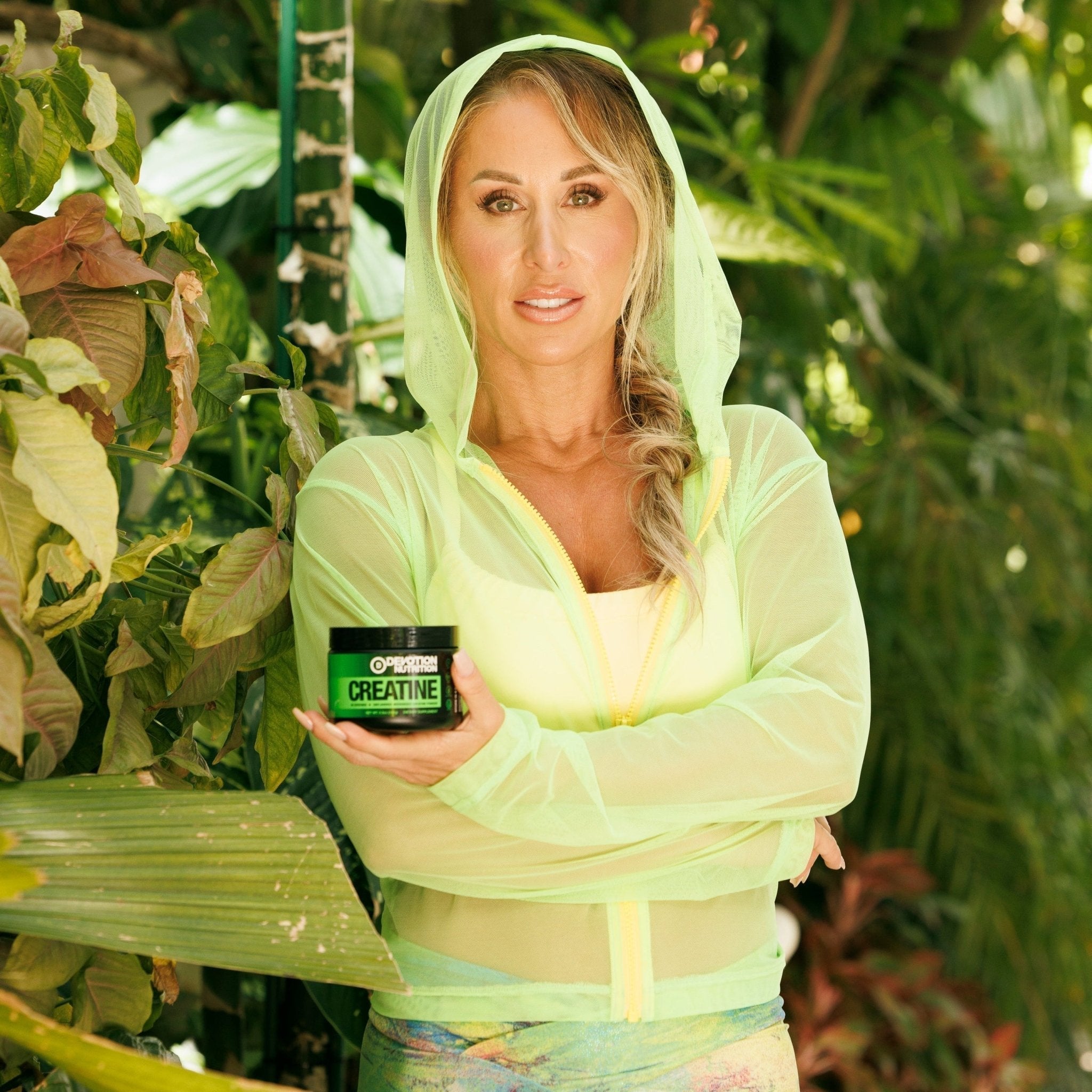
At Devotion our Wellness line includes our Creatine Monohydrate. It contains one simple ingredient with no fillers, flavors, or additives. It is easy to mix into water, smoothies, or your favorite high protein recipe, making it simple to build into a consistent daily routine.
The greatest benefits do not come from taking creatine occasionally, it must be taken DAILY and they come from pairing it with regular movement, strength training, adequate protein, and healthy lifestyle habits that support long term health.
Benefits of Creatine During Menopause
Creatine has been one of the most researched supplements for decades, yet many women are surprised to learn that it may offer benefits well beyond athletic performance. During menopause, maintaining muscle, strength, cognitive and physical function becomes increasingly important, and creatine can help support those goals when combined with regular resistance training and adequate protein intake.
Supports Lean Muscle Mass
One of the most significant changes women experience during menopause is the gradual loss of lean muscle. This decline can make everyday activities feel more challenging while also affecting metabolism and overall physical function.
Research suggests that combining creatine supplementation with resistance training can lead to greater improvements in lean muscle mass than resistance training alone. Rather than replacing exercise, creatine helps maximize the adaptations your body makes from consistent strength training.
Source: International Society of Sports Nutrition Position Stand on Creatine Supplementation
Helps Improve Strength
Strength is one of the strongest predictors of healthy aging.
Whether you are lifting weights, carrying groceries, traveling, or simply keeping up with your family, maintaining strength supports independence and quality of life.
Creatine helps replenish your muscles' immediate energy source, allowing you to perform more work during short bursts of activity. Over time, that can translate into greater improvements in strength and exercise performance when paired with a structured training program.
Supports Exercise Recovery
Recovery often changes during perimenopause and menopause. While quality sleep, nutrition, hydration, and training all play important roles, creatine helps support recovery between resistance training sessions, allowing you to maintain a more consistent routine.
Consistency is ultimately what drives long term results.
Supports Bone Health
As estrogen declines, bone health becomes an important focus for women entering menopause.
While creatine should never be viewed as a treatment for osteoporosis, research continues to explore its role alongside resistance training for supporting musculoskeletal health. Stronger muscles place healthy stress on bones during exercise, which is one reason strength training remains one of the best investments you can make for healthy aging.
Source: PubMed, Creatine Supplementation and Bone Health
Bone health also depends on several other lifestyle factors, including adequate protein intake, regular weight bearing exercise, and maintaining healthy vitamin D levels. Devotion Wellness Vitamin D3 plus K2 can be a simple addition to an overall wellness routine for those looking to support bone health.
Supports Cognitive Health
The brain requires a tremendous amount of energy to function efficiently, and creatine helps produce cellular energy throughout the body.
Researchers continue to study creatine's potential role in supporting memory, cognitive function, and mental fatigue, particularly as we age. While additional research specifically involving menopausal women is still needed, early findings are encouraging.
Source: MDPI Nutrients, Creatine Supplementation and Healthy Aging Review
Does Creatine Cause Fat Gain & Bloating?
One of the biggest myths surrounding creatine is that it causes bloating.
In reality, research has shown that the recommended daily intake of creatine monohydrate does not typically cause the uncomfortable bloating many women fear.
Creatine works by drawing water into muscle cells, not beneath the skin. This intracellular hydration supports muscle function and is very different from feeling puffy or retaining excess body fat.
Many women find that once they begin taking creatine consistently, they experience no noticeable bloating at all. Another reason this should be taken DAILY, not just on workout days.
How to Get the Most from Creatine
Creatine works best when it is part of a consistent routine rather than something you take only on workout days.
For the best results:
Consume adequate protein throughout the day
Strength train at least two to three times per week
Stay well hydrated
Aim for seven to nine hours of quality sleep
Take creatine consistently every day
Devotion Wellness' Creatine Monohydrate contains one simple ingredient with no fillers or proprietary blends, making it easy to mix into water, smoothies, coffee, or your favorite high protein recipes. Pairing it with Devotion Nutrition Protein creates a simple daily routine that helps support muscle maintenance, strength, recovery, and healthy aging.
While creatine is one of the most well researched supplements available, it is important to remember that supplements work best when they complement a balanced diet and healthy lifestyle rather than replace them.
Frequently Asked Questions About Creatine and Menopause
Should women take creatine during menopause?
Many women can benefit from adding creatine monohydrate to their wellness routine during perimenopause and menopause, particularly if they are strength training or looking to support healthy muscle aging. Research suggests creatine may help support muscle strength, lean muscle mass, exercise performance, and physical function when combined with resistance training.
What is the best type of creatine?
Creatine monohydrate remains the most researched and widely recommended form of creatine. Despite the marketing surrounding other forms, current evidence has not demonstrated that they provide greater benefits than creatine monohydrate.
Devotion Wellness Creatine Monohydrate contains one simple ingredient with no fillers, artificial colors, or unnecessary additives, making it an easy addition to your daily wellness routine.
How much creatine should women take?
For most healthy adults, research supports taking at least 5 grams of creatine monohydrate daily to help maintain elevated muscle creatine stores. No loading phase is necessary to experience the long term benefits of creatine. Consistency is far more important than taking large amounts in the beginning.
When is the best time to take creatine?
The best time to take creatine is simply the time you will remember to take it every day. Some people prefer taking it with breakfast, while others add it to a post workout shake or smoothie. Building it into an existing daily habit makes consistency easier.
Can you take creatine with protein?
Yes. Creatine and protein serve different purposes and work well together.
Protein provides the amino acids needed to build and repair muscle, while creatine helps support the energy your muscles use during high intensity activity. Together, they create a simple foundation for supporting strength, recovery, and healthy aging.
One easy routine is pairing Devotion Wellness Creatine Monohydrate with a serving of Devotion Nutrition Protein after a workout or incorporating both into one of our high protein recipes.
Does creatine cause weight gain?
Some people notice a slight increase in body weight after starting creatine due to increased water stored within muscle cells. This is different from body fat and is considered a normal physiological response. For many people, the change is minimal or not noticeable at all.
Is creatine safe to take every day?
Creatine monohydrate is one of the most extensively studied dietary supplements available. Research has consistently supported its safety for healthy individuals when used as directed. If you have kidney disease, are pregnant or breastfeeding, or have another underlying medical condition, consult your healthcare provider before starting any new supplement.
Supporting Healthy Aging Starts with Daily Habits
Menopause does not mean giving up on feeling strong, energetic, or confident. In many ways, it is an opportunity to focus on the habits that have the greatest impact on long term health.
Resistance training, adequate protein, quality sleep, daily movement, hydration, and evidence based supplementation all work together to support healthy aging.
While no supplement can replace those fundamentals, creatine monohydrate has earned its place as one of the most researched and trusted tools for supporting muscle strength, lean muscle, and exercise performance. When combined with a balanced lifestyle, it can help women continue doing the activities they love with strength and confidence for years to come.
At Devotion Nutrition, our goal is to make healthy living simple, sustainable, and enjoyable. Whether you are baking with our functional protein, supporting your hydration with HydroFLEX, or adding Devotion Wellness Creatine Monohydrate to your daily routine, every product is designed to complement the healthy habits that matter most.
Additional Research
Source: Creatine Supplementation in Women Throughout the Lifespan
Creatine for Menopause: Why More Women Are Adding This Daily Supplement to Their Wellness Routine
The Hidden Cost of Cheap Protein: Why the Best Protein Powder Is Not the Cheapest One
When you are shopping for the best protein powder, it is tempting to compare prices and choose the least expensive option. After all, if two packages both say they contain 20 grams of protein per serving, how different can they really be?
The answer is much more different than most people realize.
The price printed on the shelf is only part of the story. The real cost of a protein powder is not measured by what you spend at checkout. It is measured by how well it performs, how often you actually use it, and whether it helps you build healthy habits you will stick with.
A bargain protein that tastes chalky, mixes poorly, sits untouched in the pantry, or ruins your favorite recipes is not much of a bargain at all.
At Devotion Nutrition, we have always believed that protein should be something you look forward to using every day. That is why we created a high quality protein powder that is just as delicious in your morning coffee as it is in pancakes, muffins, protein pudding, smoothies, or your favorite healthy dessert.
Because when you genuinely enjoy using your protein, you do not just finish the container. You build habits that support your long term health.
Cheap Protein Powder Can Cost You More Than You Think
Saving money upfront may seem like a smart decision, but cheaper protein powders often come with hidden trade offs that are not obvious until you start using them.
Maybe it does not mix well. Maybe the flavor disappoints. Maybe the texture is gritty. Maybe it works fine as a shake but completely falls apart the first time you try baking with it. Or maybe you simply stop reaching for it because you never really enjoyed it in the first place.
None of that helps you reach your goals, and certainly does not save money. A protein powder only provides real value when it becomes part of your everyday routine.
When Cheap Becomes Expensive
Think about what happens when a protein powder does not meet your expectations.
You buy a tub because it was on sale. You make a shake that tastes disappointing. You try making pancakes that turn out dry and you practically choke on them. Muffins never rise. The mug cake ends up rubbery. Eventually, the container gets pushed farther and farther toward the back of the pantry until it expires.
That inexpensive purchase suddenly was not such a good deal after all. Not only did you spend money on a product you did not use, but you also wasted the ingredients that went into all of the failed recipes and opportunities to make healthier choices throughout the week.
That is the hidden cost of buying protein based solely on price.
The Best Protein Powder Will Work Beyond the Shaker Cup
A quality protein powder should never be limited to one shake after your workout. It should become one of the most versatile ingredients in your kitchen.
That is exactly how Devotion Nutrition was designed. Instead of creating another protein powder that is only enjoyable in a shaker bottle, we wanted to create something that could be used throughout your entire day.
One scoop of Devotion Nutrition protein can help you make:
Protein pancakes or waffles
Overnight oats
Protein coffee (Proffee)
Pudding
Muffins
Brownies
Mug cakes
Ninja Creami ice cream
When one ingredient works in breakfast, snacks, desserts, and meal prep, you get far more value from every container. The more often you use your protein, the greater the value of every scoop.
You can even feel great making treats for the entire family to get so much more use out of one protein powder.
RECIPES
What Makes a High Quality Protein Powder Different
From the beginning, Devotion Nutrition set out to solve a problem that many protein powders ignored. We did not want a product that people tolerated. We wanted one they genuinely loved using.
That is why every formula is built around versatility, exceptional flavor, and baking performance. Instead of asking you to change the foods you love, Devotion helps you transform them into high protein versions that fit your lifestyle.
Every serving of Devotion Nutrition features:
20 grams of complete protein
Premium whey protein isolate and micellar casein
Gluten free
No added sugar
Third party tested
Designed specifically for baking
Exceptional flavor and smooth mixability
Our unique combination of whey protein isolate and micellar casein creates a smooth, creamy texture that performs beautifully in recipes while delivering clean protein you can feel good about. It is one of the reasons so many customers tell us their container does not last, because they are using it every single day.
Quality You Can Taste
The best protein powder is not just measured by how many grams of protein it contains. It is measured by how well it fits into your lifestyle.
If your protein does not taste good, chances are it will not become part of your daily routine. That is why taste, texture, and baking performance were never afterthoughts for us. They were the starting point.
Healthy Habits Start with Products You Will Actually Use
Consistency is what creates lasting results. That is why we believe healthy eating should be simple, enjoyable, and something you can stick with long term.
Our protein is not just for athletes. It is for busy parents trying to get breakfast on the table before school. It is for professionals looking for convenient nutrition during a hectic workday. It is for anyone who wants a delicious, easy way to enjoy more protein without giving up the foods they love.
That is why so many people tell us Devotion Nutrition is not just another supplement sitting in the pantry. It is one of the most used ingredients in their kitchen.
Frequently Asked Questions
Is a premium protein powder worth the investment?
When a protein powder tastes better, performs well in recipes, and becomes something you use every day, it provides more value than a lower priced product that sits unused in the pantry.
What should I look for in the best protein powder?
Look for a complete protein source like a whey protein, third party testing, no added sugar, great taste, smooth mixability, and the versatility to work in more than just a shake. If it can help ease that sweet tooth by baking well or ensure you are able and actually wanting to do meal prep, then why buy it?
Can I bake with Devotion Nutrition?
Absolutely. Devotion Nutrition was specifically designed as a protein powder for baking and can be used in everything from pancakes and waffles to muffins, protein pudding, brownies, mug cakes, and countless other recipes.
Is Devotion Nutrition only for baking?
Not at all. While it is designed to perform exceptionally well in recipes, it is equally delicious mixed into water, milk, smoothies, yogurt, oatmeal, or coffee.
Is Devotion Nutrition only for fitness enthusiasts and athletes?
No. Our protein was created for everyone looking to enjoy more high quality protein as part of a balanced lifestyle, whether that is through breakfast, snacks, desserts, smoothies, or family meals. We are a company that wanted to provide to the entire family, from children to grandparents. Protein is needed and essential.
The Bottom Line
Choosing the best protein powder is not simply about finding the lowest price. It is about finding a product you will genuinely enjoy using day after day.
At Devotion Nutrition, we have built our protein around one simple philosophy. Healthy eating should be delicious, practical, and sustainable.
From fluffy pancakes and creamy protein pudding to your morning coffee and favorite smoothie, every scoop of Devotion Nutrition protein is designed to help you enjoy more protein in ways that fit your lifestyle.
When your protein becomes one of the most versatile ingredients in your kitchen, every container delivers value that extends well beyond the price on the label.
SHOP OUR PROTEIN NOW
The Hidden Cost of Cheap Protein: Why the Best Protein Powder Is Not the Cheapest One

The Best Protein Powder Isn't Just for Bodybuilders: Why Devotion Nutrition Is Made for the Whole Family
For years, protein powder was marketed almost exclusively to bodybuilders and athletes. Walk down the supplement aisle and you will still find oversized tubs, flashy labels, and promises of bigger muscles and intense workouts.
Thankfully, nutrition has evolved.
Today, protein is not just for the gym. It is one of the most important nutrients for supporting overall health, helping maintain lean muscle, promoting satiety, and making balanced eating easier throughout every stage of life.
At Devotion Nutrition, we have always believed protein should fit into real life, not just your workout routine.
Whether you are preparing breakfast for your family, looking for an afternoon snack that keeps you satisfied, baking healthier desserts, supporting healthy aging, or simply trying to eat more balanced meals, protein can play an important role. That is exactly why Devotion Nutrition was created.
Unlike traditional protein powders designed to be mixed with water and forgotten, Devotion Nutrition was formulated to become an ingredient you will actually use every day.
Why Protein Matters at Every Age
Protein is one of the three essential macronutrients your body needs every day. It is involved in building and repairing tissues, supporting muscles, producing enzymes and hormones, and helping you stay fuller longer after meals.
While protein is often associated with fitness, the reality is much broader.
Every member of the family can benefit from getting enough quality protein as part of a balanced diet.
Protein for Women
Women's protein needs change throughout different stages of life. Busy schedules, pregnancy, postpartum recovery, menopause, healthy aging, and maintaining lean muscle all make adequate protein intake important.
Protein also helps support satiety, making balanced meals more satisfying throughout the day.
Devotion Nutrition makes it easy to add high quality protein to recipes women already enjoy, from pancakes and baked oats to coffee, smoothies, protein puddings, muffins, and even healthier desserts.
Protein for Men
Whether the goal is building muscle, maintaining strength, staying energized for work, or simply eating healthier, protein is an important part of daily nutrition.
Devotion Nutrition combines fast digesting whey protein isolate with slow digesting micellar casein to provide both versatility and incredible taste, making it just as enjoyable in a smoothie after the gym as it is baked into breakfast or dessert.
Protein for Kids and Teens
Growing children and active teens need adequate nutrition to support normal growth and development.
While whole foods should always be the foundation of a healthy diet, adding protein rich foods throughout the day can help create balanced meals and snacks.
Parents love using Devotion Nutrition to make higher protein waffles, pancakes, muffins, smoothies, oatmeal, and homemade treats the entire family enjoys.
Instead of preparing separate meals for everyone, one recipe can help the whole family enjoy delicious, protein packed options together.
Protein Is More Than Just a Shake
One of the biggest misconceptions about protein powder is that it only belongs in a shaker bottle.
At Devotion Nutrition, we believe protein should become part of your everyday cooking and baking routine.
That is one of the biggest reasons our protein stands apart.
Instead of simply tasting good in a shake, Devotion Nutrition was intentionally formulated to perform beautifully in recipes.
Whether you are making:
Waffles and Pancakes
Protein Coffees
Muffins
Mug cakes
Overnight oats
Creamy Pudding
Ninja Creami recipes
Donuts
Brownies
Cookies
our protein was designed to help you create recipes you will actually crave while increasing your daily protein intake.
What Makes Devotion Nutrition Different?
Walk through any supplement store and you will quickly notice hundreds of protein powders that all claim to be the best.
The difference is not simply the amount of protein.
It is the quality of the ingredients, how the protein performs in recipes, and whether it actually fits into your everyday lifestyle.
That is where Devotion Nutrition stands apart.
Designed for Baking
Most protein powders become dry, rubbery, or chalky when heated.
Devotion Nutrition's unique combination of whey protein isolate and micellar casein creates a texture that works beautifully in baking, allowing you to make everything from fluffy waffles to moist cakes and creamy protein pudding.
Instead of replacing your favorite foods, Devotion helps you transform them into higher protein versions you will genuinely enjoy.
Premium Protein Blend
Every serving provides 20 grams of high quality protein from whey protein isolate and micellar casein.
This combination offers both fast and slow digesting proteins, making it an excellent option any time of day, whether enjoyed as part of breakfast, a snack, dessert, or post workout nutrition.
Made for Real Life
Devotion Nutrition is not about drinking the same protein shake every day.
It is about making it easier to enjoy balanced meals without sacrificing flavor.
Whether you are baking for your family, meal prepping for the week, creating healthier desserts, or simply looking for a quick breakfast before work, Devotion helps make high protein eating simple and delicious.
Why the Quality of Your Protein Powder Matters
Not all protein powders are created equal. While many products may provide a similar amount of protein per serving, the ingredients, taste, versatility, and overall experience can vary dramatically.
At Devotion Nutrition, we believe a protein powder should do more than help you hit your protein goals. It should fit seamlessly into your lifestyle, taste incredible, and become something you genuinely look forward to enjoying every day.
That is why our protein is formulated with high quality whey protein isolate and micellar casein, creating a smooth, creamy texture that is equally delicious in a shaker bottle, mixed into coffee, blended into smoothies, or baked into your favorite recipes.
Better Taste Means Better Consistency
One of the biggest reasons people stop using protein powder is simple. They get bored.
If every serving feels like another chore, it is only a matter of time before the container gets pushed to the back of the pantry.
Devotion Nutrition was created to change that.
From rich dessert inspired flavors to seasonal favorites, every scoop is designed to satisfy cravings while helping you increase your daily protein intake. Instead of feeling restricted, you can enjoy recipes that taste like pancakes, muffins, brownies, cookies, cheesecake, pudding, ice cream, and even your favorite coffeehouse drinks.
Healthy eating should never feel like punishment.
A Protein Powder That Works Beyond the Gym
Today's families are busier than ever. Between work, school, sports practices, errands, and everything in between, convenience matters.
That is why Devotion Nutrition has become a pantry staple in so many households.
Instead of grabbing sugary snacks or skipping meals altogether, one scoop can instantly increase the protein in breakfast, snacks, desserts, or even recipes the whole family already enjoys.
Whether you are making:
High protein pancakes before school
A smoothie after soccer practice
Protein coffee before work
Overnight oats for busy mornings
A healthy afternoon snack
A protein pudding to satisfy a sweet tooth
A Ninja Creami recipe for family dessert
Devotion makes it easy to add more protein without completely changing the foods you love.
Clean Ingredients You Can Feel Good About
When choosing a protein powder, the nutrition label matters just as much as the protein itself.
Devotion Nutrition is proudly:
Gluten free
No added sugar
Keto friendly
Diabetic friendly
Third party tested
Designed for baking
Made with premium whey protein isolate and micellar casein
Our goal has always been simple: create products that taste amazing while fitting into a healthy lifestyle.
The Research Data: Why Protein Matters Throughout Life
Research consistently shows that adequate protein intake plays an important role in maintaining lean muscle, supporting satiety, and preserving muscle mass as we age. Higher protein diets can also help improve fullness after meals, making it easier for many people to follow balanced eating patterns.
Protein is not just important for athletes. It is an essential nutrient for everyone, from growing children and active adults to older adults focused on maintaining strength and independence.
Why Families Choose Devotion Nutrition
The best protein powder is not one that only gets used after workouts.
It is the one your family reaches for every day.
Parents appreciate how easy it is to make balanced breakfasts.
Busy professionals love having quick, satisfying options during hectic workdays.
Fitness enthusiasts enjoy a protein that tastes just as good in recipes as it does in a shake.
Older adults appreciate an easy way to increase protein intake throughout the day.
And kids love recipes that taste like their favorite treats while providing quality protein as part of a balanced diet.
When one product can fit so many different lifestyles, it is easy to see why Devotion Nutrition has become a favorite in kitchens across the country.
Frequently Asked Questions
Is protein powder only for athletes?
Not at all. Protein is an essential nutrient that supports countless functions throughout the body. Whether your goal is balanced nutrition, meal prep, healthy aging, or simply eating more protein, it can be a convenient addition to your daily routine.
Can I bake with Devotion Nutrition protein powder?
Yes. One of the things that makes Devotion unique is that it was specifically designed to perform exceptionally well in baking. From pancakes and muffins to protein pudding and desserts, it is incredibly versatile.
Internal Link: Baking Recipe Collection
Can the whole family enjoy recipes made with Devotion Nutrition?
Absolutely. Protein rich recipes made with Devotion Nutrition can be enjoyed by the entire family as part of a balanced diet. From breakfast to dessert, it is an easy way to incorporate more protein into everyday meals.
Is Devotion Nutrition gluten free?
Yes. Devotion Nutrition protein powders are gluten free, making them a great option for many individuals looking for gluten free protein recipes and everyday nutrition.
What makes Devotion Nutrition different from other protein powders?
Unlike many traditional protein powders that are designed primarily for shakes, Devotion Nutrition was created to be an incredibly versatile pantry staple. Its unique whey protein isolate and micellar casein blend delivers exceptional taste and texture while performing beautifully in recipes, making it easy to enjoy high protein meals and desserts every day.
Protein Is an Investment in Your Long Term Health
Getting enough protein is not just about today's workout or tomorrow's breakfast. It is about supporting your body for years to come.
Protein helps maintain lean muscle, supports normal bone health as part of an overall healthy diet, assists with tissue repair, and contributes to feeling satisfied after meals. As we age, maintaining muscle becomes even more important for staying active, independent, and strong.
The good news is increasing your protein intake does not have to mean eating plain chicken at every meal or drinking the same shake every day.
Devotion Nutrition was created to bring excitement back to healthy eating by making protein something you actually look forward to enjoying.
Nutrition Should Never Feel Restrictive
One of the biggest reasons healthy eating plans fail is because they often focus on what you cannot have.
At Devotion Nutrition, we believe lasting habits come from finding healthier ways to enjoy the foods you already love.
Instead of eliminating pancakes, brownies, cookies, ice cream, muffins, waffles, and cheesecake, we have spent years creating protein powders that transform those recipes into balanced, protein packed options without sacrificing taste or texture.
Healthy eating should feel sustainable, enjoyable, and realistic for everyday life.
More Than Protein: A Brand Built Around Better Nutrition
Devotion Nutrition is not just a protein company. Our mission has always been to help people build healthier habits through products that fit into real life.
From our versatile protein powders to HydroFLEX hydration, wellness supplements, and hundreds of free recipes, every product is designed to make healthy living easier, not more complicated.
Whether you are looking to:
Increase your daily protein intake
Stay hydrated throughout the day
Support your wellness routine
Find healthier recipes your family will actually eat
Make meal prep easier
Devotion Nutrition offers products that work together to help support your health goals.
Why Thousands Choose Devotion Nutrition Every Day
There are countless protein powders on the market, but very few become products people genuinely use every single day.
Our community does not just drink Devotion. They bake with it, cook with it, share recipes with friends, make family breakfasts with it, and discover new ways to enjoy protein every week.
That is because Devotion Nutrition was created to become part of your lifestyle, not just your supplement cabinet.
From your first morning coffee to your evening dessert, there is a place for protein throughout the day.
The Bottom Line
Protein is not just for bodybuilders. It is an important part of a healthy lifestyle for women, men, active families, older adults, and anyone looking to make balanced nutrition easier.
At Devotion Nutrition, we believe protein should fit into your everyday life, not the other way around.
That is why we have created more than just a protein powder. We have created a versatile ingredient that helps transform your favorite breakfasts, snacks, desserts, and drinks into delicious, high protein recipes you will actually look forward to eating.
Whether you are baking a batch of protein muffins for the week, blending a quick smoothie before work, enjoying a creamy protein coffee, or making a healthier dessert for your family, Devotion Nutrition makes it simple to enjoy more protein without sacrificing flavor.
With premium ingredients, exceptional flavor, unmatched baking performance, and hundreds of recipe possibilities, it is easy to see why Devotion Nutrition has become a trusted favorite for so many households searching for the best protein powder for women, men, families, healthy aging, baking, and meal prep.
The Best Protein Powder Isn't Just for Bodybuilders: Why Devotion Is Made for the Whole Family

Staying hydrated is one of the simplest habits that makes a real difference in how you feel every day. Water supports normal body temperature, nutrient absorption, digestion, performance, overall wellness and even sleep. Devotion Nutrition's HydroFLEX is a vitamin packed water enhancer built to make drinking more water easier, with eight great flavors and added vitamins in a convenient sugar free stick pack you can take anywhere.
Why Hydration Matters Every Day
Every cell, tissue, and organ in the body depends on water to function. Staying hydrated supports normal physical and cognitive performance, healthy digestion, and steady temperature regulation, which is why daily hydration habits matter just as much as what you eat.
Research Spotlight
The National Academies of Sciences, Engineering, and Medicine publishes daily Adequate Intake recommendations for total water intake, while noting that individual needs vary based on activity level, climate, and your health.
Why Drinking Enough Water Can Be Difficult
Busy schedules, travel, workouts, warm weather, and plain old boredom with water often make consistent hydration harder than it sounds. Most people know they should drink more water. The challenge is building a habit that actually sticks.
Flavor Can Help Build Better Habits
Amazing flavor can make water something you actually look forward to drinking, which can encourage more consistent intake throughout your day. With eight flavors to choose from, Devotion's HydroFLEX makes it easy to find one that fits your taste.
What Makes Devotion Nutrition HydroFLEX Different?
HydroFLEX is a vitamin packed water enhancer designed to help you enjoy drinking more water. Each stick pack delivers Vitamin C and Vitamins B vitamins in a sugar free way that's available in eight great flavors so plain water never feels boring. Devotion even has a Variety Pack & Refresher Pack where you can get 4 different flavors to keep mixing it up everyday
Eight Great Flavors
Great taste makes hydration easier, turning a daily requirement into something you actually enjoy reaching for. With eight flavors to choose from, there is an option for everyone. Not to mention, the kids will drink more water too.
Vitamins That Add Everyday Value
Vitamin C supports normal immune function, while Vitamins B6 and B12 contribute to normal energy metabolism, giving HydroFLEX added everyday value beyond just great flavor.
Sugar Free, Caffeine Free Any Time
HydroFLEX is sugar free, gluten free and has no caffeine, which makes it an easy addition to your Devotion Ice Shaker at home, at work, or on the go, any time you want to make plain water more enjoyable.
When to Enjoy HydroFLEX
HydroFLEX fits naturally into mornings, busy workdays, travel days, workouts, warm weather, or any time you want to increase your water intake. It also pairs well with a Devotion Nutrition protein powder as part of a daily wellness routine.
Research Spotlight
The National Academies of Sciences, Engineering, and Medicine notes that total water intake includes all fluids consumed throughout the day, which is why finding a flavor you enjoy, like one of the HydroFLEX options, can make it easier to meet your daily needs.
Simple Ways to Drink More Water
Carry your Devotion Ice Shaker with you throughout the day, drink a glass with every meal, and keep HydroFLEX stick packs nearby at your desk, in your bag, or in the car so hydration is always within reach.
Frequently Asked Questions
What exactly is HydroFLEX?
HydroFLEX is a vitamin packed water enhancer. It is designed to add great flavor and vitamins to your water so you naturally drink more of it.
How many flavors does HydroFLEX come in?
HydroFLEX comes in eight great flavors, so there is an option to fit any taste preference.
Can I drink HydroFLEX every day?
Yes. HydroFLEX was designed for everyday use, not just workouts or intense activity.
Does HydroFLEX contain sugar?
No. HydroFLEX is sugar free, made for people who want great flavor and added vitamins without added sugar.
The Bottom Line
Hydration is one of the easiest wellness habits to improve, and Devotion Nutrition's HydroFLEX makes drinking more water something to actually look forward to with eight great flavors and added vitamins in a sugar
Vitamin Packed Water Enhancer: Why HydroFLEX Makes Daily Hydration Easy

The Ultimate Guide to Baking with Protein Powder
For years, protein powder lived inside a shaker cup. It was functional, fast, and honestly a little boring. But the way we think about protein has completely changed. People want real food that fits their macros, which means protein powder is showing up in muffins, waffles, donuts, mug cakes, and everything in between.
The problem is that most protein powders were never built for this. They are made for cold shakes, not hot ovens, which is why so many people end up with something rubbery, dry, or flat. Devotion Nutrition protein powder was formulated differently from day one. It is a functional protein designed to bake with, not just shake with, so the science in this guide is built right into the formula instead of something you have to fight against.
Here is exactly how protein behaves in the oven, why most powders fail, and how Devotion is built to get it right from the start.
1. What Happens to Protein in the Oven
Regular baking flour contains starch and gluten. When flour mixes with liquid, the gluten forms a stretchy network that traps air and gives baked goods their light, springy texture. Protein powder does not work the same way. There is no gluten, no starch, and when heat gets involved, the protein goes through a process called denaturation.
The Denaturation Problem
Denaturation is what happens when protein molecules uncoil under heat and start linking up with each other. If there is not enough moisture or fat in the batter to slow this process down, those protein chains bond so tightly that they push all the water out. The result is a baked good that is dense, rubbery, and dry.
Every protein type denatures at a different temperature and absorbs liquid at a different rate. This is the exact problem Devotion was engineered to solve, which is why the formula matters more than any baking trick.
2. Why Most Protein Powders Were Never Built for the Oven
This is where most people go wrong. They assume any protein powder will work in the oven. The type of protein changes everything about how your bake turns out, and most powders on the shelf are built for a shaker cup, not a mixing bowl.
Protein Type
Liquid Absorption
Heat Tolerance
Baking Result
Whey Isolate (most powders)
Low
Poor
Rubbery, dry, cardboard texture
Pure Casein
Extremely High
High
Dense, heavy, gummy
Devotion Nutrition
Balanced
High
Light, fluffy, moist
Why Whey Isolate Fails in the Oven
Whey isolate is stripped of almost everything except protein. No fats, almost no carbs. That sounds clean in a shake, but in the oven it is a disaster. It denatures quickly at low temperatures, dries out instantly, and bakes into something closer to foam rubber than a real muffin. This is the protein source in most powders on the market, which is exactly why most protein baking attempts fail.
Why Pure Casein Is Too Much of a Good Thing
Casein absorbs a huge amount of liquid and holds onto moisture really well. Sounds like a win, right? The problem is that in high amounts, it makes baked goods heavy, dense, and almost wet in texture. Great for puddings, not great for anything that needs to rise.
Devotion Nutrition Protein Solves Both Problems
Devotion Nutrition was formulated around a precise whey and casein blend specifically because of this tradeoff. The whey sets the structure while the casein keeps moisture locked in, so you get the rise of a good muffin and the moist texture of a good loaf, without the dryness of straight isolate or the heaviness of straight casein. This is built into the formula itself. It is heat stable and engineered for baking, not just shaking, which means it is already solving the texture problem before you even start mixing.
3. The Substitution Math You Need to Know
Liquid Adjustment
Every scoop of protein powder you add needs 1.25 times its volume in additional liquid to stay balanced. If the batter looks too thick, add liquid 1 tablespoon at a time until it reaches the right consistency.
Moisture Anchors
Because protein powder has no natural starch, you need to add something that locks in moisture. For every scoop of protein powder in your recipe, add at least one of these:
• Pumpkin puree: 2 tablespoons adds moisture without changing the flavor much
• Unsweetened applesauce: 2 tablespoons brings natural pectin that mimics starch
• 0% or 2% Greek yogurt: 2 tablespoons keeps the crumb tender and helps leavening
• Mashed banana: 2 tablespoons works best in sweeter bakes like muffins and pancakes
4. Fat, Leavening, and Temperature
Why Fat Is Not Optional
Fat physically gets between protein molecules and keeps them from bonding too tightly under heat. Even a small amount makes a big difference. One whole egg is usually enough, or the fat naturally found in almond milk is enough to keep the texture tender. Fat-free protein baking almost always ends up tough, no matter which powder you use.
Increase Your Leavening
Protein powder is heavier than flour, so standard amounts of baking powder or soda are usually not enough to lift the batter. Increase your leavening agents by 25 to 50 percent compared to a regular recipe. Also make sure there is an acid in your batter, like Greek yogurt, lemon juice, or apple cider vinegar, to activate the baking soda quickly before the protein has time to set.
Lower Your Oven Temperature
High heat is the enemy of most protein baking. Standard temperatures between 350 and 375 degrees Fahrenheit cause the outside of your bake to set and toughen before the inside is done. Devotion Nutrition Protein Powders were built with higher heat tolerance in mind, but these rules still apply for the best results:
• Drop the temperature by 25 degrees Fahrenheit from whatever the recipe says
• Pull it out when a toothpick shows that it is ALMOST cooked through, a few moist crumbs, not when it comes out completely clean
Your recipe keeps cooking as it cools, so removing it slightly underdone gives you the perfect finished texture.
5. Troubleshooting Your Protein Bakes
Most of these issues come from using a powder that was not designed for baking in the first place. Here is what to look for and how to fix it, whether you are working with Devotion or troubleshooting an older bake.
What You See
What Went Wrong
How to Fix It
Rubbery or bouncy texture
Too much protein denaturation with not enough fat to break it up
Add 1 TBSP more oil or yogurt. If you are using a straight whey isolate, switching to Devotion solves this at the source
Collapsed after coming out of the oven
Weak structure with not enough starch to hold the air pockets
Add 2 TBSP more oat or almond flour, reduce leavening slightly
Dry and crumbles like sand
Almost always caused by a whey isolate powder that bakes out all the moisture
Switch to Devotion, which is formulated to hold moisture under heat, and add 2 TBSP applesauce or pumpkin. Also ALWAYS be sure not to overbake.
Dense gummy line at the bottom
Batter was too heavy and leavening failed before it could lift
Add 1/2 tsp baking powder, make sure oven is fully preheated before baking
6. The Base Mug cake Blueprint
Everything covered in this guide comes together in this one recipe, built around Devotion Nutrition, so you get the structure and moisture right without extra workarounds. This mug cake is so simple so you can build on it with any Devotion flavor and any add-ins you want.
Ingredients
• 1 scoop Devotion Nutrition Protein Powder (every flavor is interchangeable)
• 1/4 C Unsweetened applesauce
• 1 Whole egg
• 1/2 tsp Baking powder, optional
Instructions
Spray a microwave safe bowl with non-stick spray. You can mix all the ingredients together in the same bowl.
Place in the microwave for approximately 90 seconds to 2 minutes, depending on your microwave.
Enjoy!
7. Why Devotion Is Built for Baking
Most protein powders are formulated just for a shake. They use pure whey isolates and cheap gums to create a smooth texture when shaken with cold water. The second those powders hit oven heat, they break down and the isolates dry out completely. The result is flat, rubbery, and unpleasant.
Devotion Nutrition took a completely different approach from the beginning. This is not a just for a shake. We are created to bake all of the treats and breakfasts that you crave and love. It is a functional protein designed to bake with, meaning the formulation was built from the ground up to perform in so many ways.
What Makes Devotion Different
• Heat stable whey and casein blend: The precise ratio of cross-flow micro-filtered whey and premium micellar casein mimics the moisture-locking properties of flour without turning tough in the oven.
• No thermal breakdown gums: Devotion left out the cheap heat-vulnerable gums that cause texture failures in baked goods.
• Flavor that survives the oven: Most flavoring agents vaporize or turn bitter under heat. Devotion Nutrition flavors are anchored to hold up to 400 degrees Fahrenheit, so a Brownie Batter muffin actually tastes like a brownie when it comes out of the oven.
The ratios and techniques in this guide will improve any protein bake. But they work best, and require the least amount of troubleshooting, when you start with a protein that was actually built for the oven. That is the difference with Devotion Nutrition difference.
The Ultimate Guide to Baking with Protein Powder

The Ultimate Guide to Baking with Protein Powder
June 23, 2026
The Top 5 Supplements Actually Worth Taking as a Woman
by Gennifer Strobo, Staff Nutritionist at Devotion Nutrition
Most women do not need more supplements. They need the right ones.
Because right now, most women are taking a cabinet full of products built on big promises and very little evidence. Greens powders, detox teas, hormone gummies, metabolism boosters, collagen waters. The wellness industry has convinced us that more is better and that every new trending product is the missing piece.
It is not.
The most effective supplement routine for women is rarely the most expensive or the most complicated. It is the one built around evidence-based foundations that actually support how your body functions day to day including recovery, sleep, stress regulation, healthy aging, and muscle maintenance.
After years of working in nutrition and wellness, I keep coming back to the same five supplements. Many options have been tried and tested, and these are the ones that have stayed. Not because they are trendy, but because the research supports them and because I see the difference they make consistently.
Here is what is actually worth your money
Jump to a Section
What You Need Before Supplements
1. Magnesium
2. Omega-3 Fish Oil
3. Vitamin D3 + K2
4. Creatine
5. Glutamine
What We Would Skip
Our Easy Daily Supplement Routine
Frequently Asked Questions
You Do Not Need a Complicated Supplement Routine
Before we get into the list, I want to say something clearly: no supplement routine will outwork a poor foundation.
Before adding anything to your daily stack, make sure you are prioritizing:
Eating enough protein
Strength training consistently
Getting quality sleep
Staying hydrated
Managing stress
These are the things that move the needle most. Supplements are meant to support your lifestyle, not replace it. Once your foundation is solid, the right supplements can genuinely fill meaningful gaps.
The Top 5 Supplements for Women Actually Worth Taking
1. Magnesium
Why Magnesium Is So Important for Women
Most women running on stress, poor sleep, and caffeine are also running low on magnesium and many do not know it.
Even women eating a generally healthy diet often struggle to consistently meet magnesium needs through food alone. Modern lifestyles deplete magnesium fast. Stress alone increases how much your body uses. Intense exercise, alcohol, processed foods, and chronic dieting can all increase needs even further.
Magnesium is involved in hundreds of processes in the body and plays a direct role in:
Sleep quality
Stress regulation
Muscle recovery
Nervous system function
Blood sugar balance
Energy
Hydration
Hormonal support
Magnesium Deficiency Is More Common Than Most Realize
Most people assume they are getting enough magnesium from their diet. The reality is that magnesium deficiency is far more common than many realize, and the symptoms often look like everyday struggles women are told to just push through. Low energy, poor sleep, muscle cramps, anxiety, and difficulty recovering from workouts can all be connected to inadequate magnesium intake. According to the National Institutes of Health, a significant portion of people in the United States do not meet the daily recommended intake for magnesium through diet alone.
National Institutes of Health Magnesium Fact Sheet
Not All Magnesium Supplements Are Created Equal
The form of magnesium you take matters more than most people realize. Magnesium glycinate is commonly used for relaxation and sleep support. Magnesium citrate tends to support digestion. Magnesium malate is often used for energy and muscle function. This is why quality and formulation matter when choosing a magnesium supplement.
Read our full breakdown on the 10+ types of magnesium and which one is right for you.
https://devotionnutrition.com/blogs/blog/devotion-nutritions-essential-magnesium-blend-relax-recover-and-restore
2. Omega-3 Fish Oil
Why Omega-3 Intake Matters for Women
Yes, you can get omega-3 fatty acids from food. But most women are not eating fatty fish consistently enough to maintain optimal EPA and DHA levels and that gap adds up over time.
At the same time, modern diets are overloaded with omega-6 fatty acids from processed foods and seed oils. That imbalance is more common than most people realize and it matters for inflammation, recovery, and long-term health. Research published through the National Institutes of Health supports the role of omega-3 fatty acids in cardiovascular health, cognitive function, and inflammation management.
NIH Omega-3 Fatty Acids Fact Sheet:
Benefits of Omega-3 Fish Oil
Omega-3 fish oil supports:
Brain health
Heart health
Recovery
Joint health
Healthy aging
Skin health
Cognitive function
For women focused on overall wellness and longevity, omega-3 fish oil is one of the most foundational supplements you can take daily. Supplementation helps fill the gap that consistency alone often cannot.
3. Vitamin D3 + K2
Why Vitamin D Deficiency Is More Common Than You Think
Vitamin D deficiency has become increasingly common and modern lifestyles are a big reason why. Many of us spend the majority of our days indoors, use sunscreen regularly, or live in areas where year-round sun exposure simply is not realistic. Getting optimal vitamin D levels from sunlight alone is genuinely difficult for most people.
Vitamin D supports:
Immune health
Mood
Bone strength
Muscle function
Overall wellness
Low vitamin D levels have also been associated with fatigue, low mood, and weakened immune support. The NIH notes that vitamin D deficiency is one of the most prevalent nutritional deficiencies worldwide.
NIH Vitamin D Fact Sheet:
Why K2 Belongs With Your Vitamin D
Vitamin K2 works alongside vitamin D to help direct calcium to where it belongs, meaning your bones and teeth rather than your arteries. Taking D3 and K2 together is one of the most foundational supplement combinations for women at any age and one of the simplest upgrades you can make to your routine.
4. Creatine
Creatine Is Not Just for Athletes
Creatine is one of the most researched supplements available and one of the most misunderstood when it comes to women. It is not just for bodybuilders. It is not going to make you bulky. And no, it does not cause body fat gain.
Your body naturally produces creatine and small amounts come from foods like red meat and fish. But most women are not consuming enough through diet alone, and as we age our needs actually increase, which makes supplementation even more impactful.
Benefits of Creatine for Women
Creatine supports:
Strength
Recovery
Cognitive function
Healthy aging
Muscle maintenance
Exercise performance
For women focused on maintaining muscle, strength, and long-term vitality, creatine is one of the most evidence-backed supplements available. Research consistently supports creatine supplementation for strength, body composition, and cognitive health across all ages.
International Society of Sports Nutrition Position Stand on Creatine:
Does Creatine Cause Weight Gain?
Creatine does not cause body fat gain. The temporary water retention some women notice happens inside the muscle cell, which is actually a sign that the muscle is hydrated and fueled. That is completely different from gaining body fat. Creatine is not just for athletes or bodybuilders and the research behind it for women is compelling.
5. Glutamine
What Is Glutamine and Why Does It Matter?
Glutamine is an amino acid the body produces naturally and gets from protein-rich foods. But stress, resistance training, chronic dieting, digestive stress, and intense exercise all increase how much your body demands and depletes.
Glutamine is critical for muscle recovery, digestion, immune support, and gut lining integrity. It is not a flashy supplement and it does not make big promises. Glutamine supplementation supports what the body is already working hard to maintain.
Who May Benefit Most From Glutamine
Glutamine supplementation may be especially beneficial for:
Active individuals
Women under chronic stress
Women focused on recovery
Women with digestive concerns
Women training intensely
What We Would Skip
Not everything trending online deserves a place in your routine. Here is what I would personally pass on:
Detox teas
Fat burners
Hormone balancing blends with proprietary ingredient lists
Underdosed multivitamins packed with forms the body barely absorbs
Overloaded gummy vitamins
The goal is not taking more supplements. The goal is supporting your body with what actually matters and doing it consistently.
Our Easy Daily Supplement Routine
Supplements are meant to supplement your lifestyle, not replace nutrition, movement, sleep, hydration, and stress management. Here is a simple, realistic starting point that fits into real life.
Morning
Vitamin D3 + K2
Glutamine
Creatine
HydroFLEX for hydration support and essential B vitamins
Evening
Magnesium Complex
Omega-3 Fish Oil
Consistency always matters more than perfection. You do not need to get it right every single day. You just need to get it right most days.
The Bottom Line on Building a Supplement Routine That Actually Works
You do not need a complicated supplement routine to support your health. You need a strong nutritional foundation, quality sleep, real hydration, consistent movement, and evidence-based supplementation layered on top of that.
The wellness industry profits from making health feel confusing and overwhelming. But the truth is the basics still matter most and they always will. Magnesium, omega-3 fish oil, vitamin D3 plus K2, creatine, and glutamine are not exciting or trendy. They are foundational. They are consistent. And they are the ones that have stayed because they work.
If you found this helpful, save it for your next restock and follow us for more evidence-based wellness content. Have questions about which supplements are right for you? Drop them in the comments below.
You Might Also Like To Read:
Creatine Benefits for Muscle Recovery, Brain Health and Healthy Aging
https://devotionnutrition.com/blogs/blog/creatine-preserve-muscle-support-brain-health-and-recover-better
Frequently Asked Questions
What are the best supplements for women?
Some of the most evidence-based supplements for women include magnesium, omega-3 fish oil, vitamin D3 + K2, creatine, and glutamine depending on lifestyle and individual nutritional needs.
Is creatine good for women?
Yes. Creatine supports strength, muscle recovery, cognitive function, healthy aging, and exercise performance in women. It does not cause body fat gain.
Why is magnesium important for women?
Magnesium supports sleep quality, stress regulation, muscle recovery, nervous system health, and energy production. Most women are not getting enough consistently through diet alone.
Do I need omega-3 supplements?
Many women do not eat enough fatty fish consistently to maintain optimal omega-3 intake, which makes supplementation a practical and evidence-backed option.
Why combine Vitamin D3 with K2?
Vitamin K2 helps direct calcium to the bones and teeth where it belongs and works alongside vitamin D3 to make supplementation more effective overall.
What supplements should women avoid?
Trendy products like detox teas, fat burners, proprietary hormone blends, underdosed multivitamins, and sugar-loaded gummy vitamins are generally not worth the investment. Prioritizing evidence-based foundational supplements will always deliver better long-term results.
What is the best magnesium supplement for sleep?
Magnesium glycinate is the form most commonly recommended for relaxation and sleep support due to its high absorption rate and gentle effect on digestion.
When is the best time to take creatine?
Creatine can be taken at any time of day consistently. Many women prefer taking it in the morning as part of a daily routine. Consistency matters more than timing.
FDA Disclaimer
These statements have not been evaluated by the Food and Drug Administration. These products are not intended to diagnose, treat, cure, or prevent any disease. Individual results may vary. Consult your healthcare professional prior to use if you are pregnant or nursing, have a medical condition, or are taking any medications. Discontinue use and consult your healthcare provider if any adverse reactions occur.
The Top 5 Supplements Actually Worth Taking as a Woman

The Top 5 Supplements Actually Worth Taking as a Woman
June 12, 2026
Muscle Health and Healthy Aging: Why Protein, Creatine, and Hydration Matter
Maintaining muscle health is one of the best things you can do for long-term health. It supports strength, metabolism, mobility, recovery, and healthy aging.
Muscle is not just about appearance or fitness goals. Lean muscle mass plays a major role in how your body functions every day. It helps support:
metabolism
blood sugar regulation
insulin sensitivity
strength and mobility
balance and stability
recovery
long term independence
Starting around your mid 30s, lean muscle mass can begin to decline if it is not supported through resistance training, enough protein, proper hydration, recovery, and good overall nutrition.
That loss can affect more than strength. It can impact energy, mobility, metabolism, and long-term health over time.
The good news is that muscle responds well to consistent habits. With the right nutrition, hydration, training, and supplementation, you can support strength, performance, and healthy aging for years to come.
Why Muscle Health Matters for Metabolism and Healthy Aging
Lean muscle is metabolically active tissue. That means it uses energy and plays a key role in how your body works each day.
Muscle also helps regulate glucose metabolism and insulin sensitivity, which makes it an important part of metabolic health and blood sugar balance.
Supporting muscle health can help with:
blood sugar regulation
insulin sensitivity
strength and mobility
bone health
exercise performance
healthy aging
For midlife women and active adults, preserving lean muscle becomes even more important. Hormonal changes, stress, aging, and inactivity can all contribute to muscle loss over time.
Supporting muscle is not just about how you look. It is about how well your body works over the long term.
Why Protein Matters for Muscle Health
Protein is one of the most important tools for maintaining and building lean muscle mass.
Your body needs protein to support muscle repair, recovery, and muscle protein synthesis, which is the process that helps maintain and build muscle tissue.
Whey protein is one of the best protein sources for muscle support because it is:
a complete protein
rich in essential amino acids
high in leucine
easy to digest and absorb
effective for recovery and repair
Research suggests that about 25 to 40 grams of high-quality protein per meal may help support muscle protein synthesis.
At Devotion Nutrition, our protein was designed to do more than make a basic shake. It can be used in baking, puddings, waffles, smoothies, oats, mug cakes, and other high-protein recipes that help make your goals easier to stick with.
How Much Protein Do You Need for Muscle Health?
A simple way to estimate protein needs is by body weight.
Many adults benefit from about 0.6 to 0.8 grams of protein per pound of body weight daily, though needs may increase based on:
activity level
resistance training
recovery needs
body composition goals
satiety (hunger) needs
For example, a person who weighs 150 pounds may benefit from about 90 grams of protein per day at minimum. As a nutritionist I like to at least aim for no less that 1g per pound of goal bodyweight, and then some.
That breaks down to about 30-45 grams per meal if spread across three meals and then a couple light snacks.
That could look like:
4 to 5 ounces of cooked chicken
Greek yogurt with added protein powder
Whole eggs and egg whites paired with a high protein recipe
Recipes made with Devotion Nutrition protein
For many people, getting enough protein from whole foods alone can feel hard with a busy schedule. That is where protein shakes, high-protein snacks, and easy recipes can help.
Easy High-Protein Snack Ideas
Adding one or two high-protein snacks during the day can help support:
Satiety / hunger
energy
muscle maintenance
balanced nutrition habits, this can keep you from feeling ravenous at night.
Examples include:
Devotion protein pudding
protein mug cakes
protein waffles
protein smoothies
Greek yogurt mixed with Devotion protein powder
Why Muscle Preservation Matters More as We Age
Starting around our mid-30s, muscle mass can slowly decline if it is not supported.
This age-related muscle loss can affect:
strength
metabolism
recovery
balance
energy
quality of life as you age and independence
Hormonal changes, inactivity, stress, not eating enough protein, poor recovery, and too little resistance training can all speed up muscle loss.
That is why supporting lean muscle becomes so important in midlife and healthy aging.
Consistent nutrition, resistance training, hydration, recovery, and supplementation can all help support muscle over time.
Creatine Benefits for Strength, Recovery, and Healthy Aging
Creatine is one of the most studied supplements for muscle strength, lean muscle mass, recovery, and performance.
Creatine helps increase stored creatine in muscle cells, which supports ATP production. ATP is the body’s main energy source for muscle contraction and cellular energy.
Benefits of creatine include:
supports muscle strength
supports lean muscle mass
supports resistance training
helps preserve muscle with aging
supports brain health and cognitive function
supports daily energy
Why Creatine Is Not Just for Athletes
Creatine is not only for bodybuilders.
Women, active adults, aging adults, and anyone who wants to support muscle and strength over time may benefit from it. Creatine is the most studied naturally found supplement ever. Even young adults, children and teens benefit from eating creatine rich protein sources and supplementing when needed.
A typical daily dose is 5g taken daily. Time of day doesn’t matter nearly as much as being consistent with it daily.
Micronized creatine monohydrate is one of the most effective forms.
Glutamine Benefits for Recovery, Digestion, and Gut Health
Glutamine is the most abundant amino acid in the body. It plays a role in recovery, gut health, digestion, and immune support.
It does not directly stimulate muscle protein synthesis the way whey protein does, but it helps support the systems involved in recovery and overall wellness.
Benefits of glutamine include:
muscle recovery
improved digestion
supports gut health and permeability
supports immunity
supports recovery during stress
Why Hydration Matters for Muscle Recovery and Performance
Hydration has a direct effect on strength, recovery, energy, performance, and daily function.
Muscle cells rely on water for:
nutrient transport
muscle contraction
recovery
electrolyte balance
overall performance
Creatine also pulls water into muscle cells as part of its normal function, which makes hydration even more important when you take it regularly.
One simple way to support hydration is to build a daily routine that includes supplements you will actually use.
We love using Devotion Nutrition HydroFLEX flavors with the creatine and glutamine daily for an easy hydration and recovery routine.
HydroFLEX also provides electrolytes and B vitamins, which can help make hydration easier to stay consistent with.
A Simple Daily Hydration Routine
A practical hydration goal for many adults is about 80 to 120 ounces of fluid per day, with higher needs during exercise, hotter weather, stress and travel.
The best routine is the one you can stick with.
Example of Supporting All of Your Needs Throughout the Day
This does not need to be complicated. Let’s KISS (Keep It Simple Stupid)
Morning
Water with HydroFLEX, Devotion Wellness Creatine, and Glutamine
Protein-focused breakfast with 25 to 35 grams of protein - Bananas Foster Pancake Bowl, Mini Blueberry Loaf, or even an Apple Cinnamon Crunch Yogurt Bowl
Lunch
Balanced meal with protein, carbs, healthy fats, fruits, and vegetables
Aim for 25 to 40 grams of protein
Midday Snack
Protein Peanut Butter Fruit Dip with apple slices
Iced Protein Caramel Latte with 14 almonds and a small piece of fruit
Greek yogurt with protein powder
Jumbo Blueberry Protein Muffin with a tablespoon Peanut or Almond Butter smeared on
Aim for 20 to 25 grams of protein with fiber, carbs and fats
Dinner
Lean protein source - Chicken, Turkey, lean beef, seafood, 1 whole egg and egg whites, etc.
Vegetables
Carbohydrates for energy and recovery (think beans, potatoes, rice, or a couple slices of bread
About 30 to 40 grams of protein
Evening Snack
Protein mug cake - Chocolate PB frosted Mug Cake or Lemon Iced Cake
Protein dessert of choice
Again, aim for 15 to 25 grams of protein, combined with 7-10g fat
This kind of structure helps support:
consistent protein intake
muscle recovery
hydration
balanced energy
long-term consistency
How to Support Muscle Health Long Term
Supporting muscle health is not about perfection. It is about consistency.
Long-term muscle support may include:
regular resistance training
enough protein
proper hydration
creatine supplementation
glutamine for recovery support
stress management
quality sleep
recovery between workouts
Muscle supports metabolism, strength, mobility, blood sugar regulation, recovery, healthy aging and overall quality of life. Maintaining lean muscle may be one of the most important investments you can make in your health.
Muscle Health and Healthy Aging: Why Protein, Creatine, and Hydration Matter

Best Protein Powder for Bariatric Patients: What to Look for After Surgery
You just had weight loss surgery. Your stomach is the size of an egg. And someone is telling you to hit 100 grams of protein a day. That math is hard. The right protein powder and whole food sources make it doable. But not every protein powder works after bariatric surgery. Some are too sweet. Some mix into a chalky mess. Some sit too heavy and make you feel sick. This guide cuts through the noise and tells you exactly what to look for, what to avoid, and how to make protein work for your new life post op.
At Devotion Nutrition, we think about this stuff every single day. Our formulas were built for real people with real goals, and that includes people navigating post-bariatric recovery. Here is what matters when you are shopping for a protein powder to help fill the gaps of whole protein sources after surgery.
Why Protein Is So Important After Bariatric Surgery
After surgery, your body is going through a massive change. You are eating less, absorbing less, and healing at the same time. Protein does the heavy lifting through all of it. It helps the body heal surgical tissue and reduce recovery time, preserves lean muscle mass while fat is being lost, keeps energy up as calorie intake drops, and will support hair, skin, and bone health, which comes up a lot in the months following surgery and is worth taking seriously.
Research consistently shows that inadequate protein intake after any type of bariatric surgery is linked to muscle loss, slower recovery, and nutrient deficiencies.
Why protein matters after bariatric surgery
https://pubmed.ncbi.nlm.nih.gov/29035973/
Why the whey and casein blend works
https://pubmed.ncbi.nlm.nih.gov/22569072/
The challenge is that most bariatric patients can only eat or drink 4 to 6 ounces at a time, especially in the early months. A protein powder needs to pack a real punch in a small amount. That is not a “nice to have” option, it can make the whole game.
What Makes a Protein Powder a Good Fit for Bariatric Patients
High Protein Per Serving, Low Everything Else
The goal is at least 20 to 25 grams of protein per scoop with as few calories, carbs, and sugars as possible. Every gram counts when you are working with 8 ounces at a time. Look for 18 to 25g of protein per serving, under 5g of sugar with zero added sugar being the ideal, low fat and low carb, and a clean ingredient list without fillers that bulk up the label but add nothing to the goal.
Devotion Nutrition protein powders deliver 20g of protein per serving with zero sugar. That ratio was intentional. It is exactly where a post bariatric patient can benefit the most without anything that gets in the way.
Easy to Digest Protein Sources
After surgery, the digestive system is sensitive and the stomach is smaller. Heavier hard to digest proteins can cause stomach discomfort, nausea, or that dreaded dumping feeling that no one wants to deal with.
The most stomach friendly protein sources for bariatric patients are whey protein isolate, which is fast absorbing, low in lactose, and highly bioavailable and is widely considered the gold standard for post op use. Casein protein, which digests more slowly and helps some patients feel full longer and more satisfied. You always want a formula that is true to its name, not amino spiked and is giving you all you need and expect from a protein powder.
Whey protein concentrate tends to be harder on sensitive stomachs due to higher lactose content. Switching to an isolate based formula can make a significant difference for patients who have had bloating or tons of stomach discomfort after surgery.
Texture and Mixability
This one is underrated and it matters more than most people realize going in. After surgery, texture becomes a real factor. A gritty or clumpy protein shake is not just unpleasant. It becomes something patients will tend to just avoid. But, right now skimping on protein is not an option. Especially, early in recovery.
Look for a protein that mixes smooth with just a shaker bottle, leaves no gritty residue at the bottom, and is thin enough to sip slowly without feeling heavy or sitting wrong.
Devotion Nutrition’s protein mixes well in cold water or unsweetened almond milk as well as a warm cup of coffee or water and all will produce a smooth result.
Flavor That Holds Up Over Time
Taste fatigue is another common reasons post bariatric patients will fall short on their protein goals, and it almost never gets talked about. The flavor someone loved in week one can genuinely become hard to stomach another. It happens more than you would think.
What helps is having options to rotate through, choosing flavors that taste amazing rahter than chemically sweet or overpowering, and finding a protein that actually works in recipes so it does not feel like a supplement every single time.
Devotion was built with this exact problem in mind. The flavors are designed to taste like real food. The Angel Food Cake flavor is light, mildly sweet, and versatile enough to use in everything from shakes to baked recipes. That kind of usability is a real advantage when someone is months post op and dreading their next shake.
What to Avoid in a Bariatric Protein Powder
Not all protein powders are a good fit. Some ingredients that are fine for the general population can cause real problems for bariatric patients. Here is what to watch out for:
High sugar content, which can trigger dumping syndrome especially in gastric bypass patients
Soy as the primary protein source, which can interfere with thyroid function and is a frequent allergen
Added fats or heavy creamers that slow digestion and can cause discomfort with a smaller stomach capacity
Best Ways to Use Protein Powder Post Op
Weeks 1 to 4: Liquid and Puree Stage
Thin shakes mixed with water or unsweetened almond milk are the move at this stage. Keep it simple, aim for 20 to 25g per serving, and sip slowly over 30 to 45 minutes. The goal during this phase is tolerance and consistency, not volume.
Month 2 and Beyond: Build in Variety
Once cleared for soft foods, incorporating protein powder into recipes is one of the most effective ways to fight flavor fatigue and make hitting daily goals feel sustainable rather than like a chore.
Easy options that work well post op include stirring protein powder into Greek yogurt for a thick and filling snack, mixing into oatmeal or overnight oats, baking into protein mug cakes or mini loaves for a way to hit protein goals without another shake, and blending into a smoothie with fruit and almond milk.
Devotion Nutrition protein powder is designed to not only mix smooth in water but most importantly bake just as well. This is what sets us apart and makes it one of the most practical options for bariatric patients who are ready to move beyond shakes. [
How Much Protein Do You Actually Need After Surgery
Most bariatric programs recommend between 60 and 80 grams of protein per day, however aiming to get in about 100g daily will really speed healing as well as keeping energy levels at their best. Your physician will provide a specific target, but protein powder is one of the most reliable tools for closing the gap when food intake alone is not enough. You also don’t want to neglect fiber, healthy fats and carb sources like fruit, starchy carbs and vegetables.
One serving of Devotion's protein powder with 20g of protein can be the difference between falling short and hitting the daily goal. That is a meaningful contribution in a format that works with the limitations of early post op life.
The Bottom Line
The best protein powder for bariatric patients is the one that actually gets used every day. That comes down to taste, texture, digestibility, and real world usability, not just the numbers on the label.
Whey isolate is the top recommendation for most post op patients because of how efficiently the body absorbs it and how well it sits in a sensitive stomach. Devotion Nutrition formulas were built around both performance and flavor because hitting a 20g protein goal should not feel like a punishment. It should be something you can look forward to.
Protein goals after bariatric surgery are never negotiable. They are the foundation of a healthy recovery, muscle preservation, and long term results. The right powder makes hitting those goals something that works in real life.
Frequently Asked Question
When can you start using protein powder after bariatric surgery?
Most bariatric programs allow protein shakes as early as the first week post op during the liquid phase. Thin, lightly flavored protein mixed with water is typically well tolerated at this stage. Following your physician’s specific guidelines is always the priority, but protein powder is generally one of the first tools used after surgery to help patients meet daily protein targets while appetite and stomach capacity are still so limited.
Best Protein Powder for Bariatric Patients: What to Look for After Surgery

My top 7 Sleep routine habits
By Gennifer Strobo, CNC & Staff Nutritionist for Devotion Nutrition
I’m a nutritionist and I’ll be the first to tell you sleep is just as important as what you eat. I’ve watched clients dial in their nutrition and still feel terrible. Sleep and stress were always the missing piece. You cannot out eat bad sleep. It just doesn’t work that way.
The National Sleep Foundation backs this . Diets high in sugar and low in fiber reduce the dee type of sleep your body needs. Heavy meals too close to bedtime make it worse. What you eat and how you sleep are more connected than most people realize. Also creating a good “wind down” routine nightly to signal your body it’s time to rest.
Simple habits that actually help
1. No screens before bed. Give yourself at least 30-60 minutes. Screens can block the natural melatonin increase and keep your brain wide awake.
2. Bed is for sleep only. Stop working, eating, or scrolling in bed. Your brain needs to connect the bed with rest.
3. Same schedule every day. Bedtime and waking up at the same time, yes even try this on weekends. Try to stay within an hour on your days off. Consistency is everything.
4. Watch caffeine intake. This can truly mess with your sleep more than you think even when it doesn’t feel like it. Stop all caffeine intake by 3pm at the latest.
5. Wind down on purpose. A warm shower, some stretching, calm music. Something that tells your body it’s time for bed.
6. Write down what’s on your mind. Get it out of your head before you try to sleep. It’ll still be there tomorrow.
7. Cool, dark, quiet room. Your environment matters. Make it work for you.
The Four “Legs to Your Table”
Think of your health like a table with four legs. All four must be solid or the whole thing can fall apart.
• Nutrition: Enough from all food groups. Balanced portions. Not restriction. Balance.
• Movement: Not the gym. Just moving through your day. Housework, walking, getting up regularly.
• Sleep: What this whole post is about. Non-negotiable.
• Stress: Chronic stress breaks everything down over time. Managing it is part of taking care of yourself.
Get these right and everything falls into place.
Two things most people are deficient in
Magnesium
Most people are low in magnesium and don’t know it. It calms your nervous system, supports melatonin, and helps your body actually wind down. Taking it at night with dinner helps with sleep, muscle tension, stress, recovery, heart health, and blood sugar. It does a lot. Devotion Nutrition’s Magnesium Complex Capsules are formulated to support exactly this. Relaxation, muscle function, and a better night’s rest.
Omega-3s
Your body can’t make omega-3s on its own and most people aren’t getting enough. And most importantly the right kind. They’re linked to better sleep quality, less inflammation, improved mood, brain function, heart health, joint health, and even your skin. Take them at night alongside your magnesium with dinner. Devotion Nutrition’s Omega-3 Fish Oil Softgels deliver 720mg of EPA and DHA per serving, third-party tested and easy to digest. The right kind, in the right amount.
Bottom line
Sleep is not a luxury. It’s part of the foundation. Start with one habit, add your nutrients, and give your body what it needs to recover. You’ll feel the difference.
You Can’t Out Eat, or Workout a Bad Sleep Routine

Creatine Benefits for Muscle Recovery, Brain Health and Healthy Aging
Creatine is one of the most researched supplements available today, yet many people still think creatine is only for bodybuilders or muscle growth. In reality, creatine monohydrate may support muscle recovery, strength, brain health, hydration, mental energy, and healthy aging. From athletes to active adults and women in midlife, daily creatine supplementation can help support both physical and cognitive performance
A pure micronized creatine fits easily into an everyday routine, especially for those focused on staying strong, focused, and resilient as life and changes.
What Is Creatine?
Creatine is a naturally occurring compound found in small amounts in foods like red meat and seafood. Your body also produces creatine in the liver, kidneys, and pancreas. It is stored primarily in muscle tissue and the brain, where it plays a critical role in energy production.
Pure micronized creatine helps regenerate ATP, the main energy source your cells use. This matters not just during workouts, but for everyday movement, recovery, and mental focus. Supplementing with creatine helps increase stored creatine levels, allowing your body to produce energy more efficiently during physical and mental demand.
Because your food sources alone often don’t provide enough creatine to support these needs, daily supplementation can be helpful over time.
Creatine Benefits for Strength, Recovery and Brain Health
Creatine Benefits for Muscle Strength and Muscle Preservation
One of the most well-known benefits of creatine is its role in supporting strength. Just as important, creatine helps preserve lean muscle mass, which becomes increasingly important with aging, hormonal changes, stress, and periods of reduced activity. Maintaining muscle supports metabolism, balance, and long-term independence.
Recovery and Reduced Muscle Breakdown
Creatine supports muscle hydration and helps reduce muscle breakdown. This makes it useful for recovery after workouts, long days, or times of higher stress. Consistent use supports better recovery between in all areas of daily life and workouts.
Creatine is not a stimulant. But, it supports energy production
Unlike caffeine-based supplements, creatine supports natural cellular energy production without stimulants. Creatine helps regenerate ATP, the body’s primary energy source, which may support stamina, physical performance, recovery, and daily energy levels.
Brain Health and Mental Energy
Creatine is also stored in the brain, where it supports energy metabolism. Research suggests creatine may help support cognitive performance, mental clarity, and brain energy metabolism during periods of stress, fatigue, sleep deprivation, or increased mental demand. This makes creatine relevant not just for physical needs, but for brain health and everyday mental performance as well.
Why an Unflavored Creatine Matters
Devotion Nutrition’s pure micronized creatine is unflavored, making it easy to use daily. Being unflavored allows you to mix it into water, Devotion's protein shakes, or other drinks without changing their taste. You can even stir it into a protein pudding.
One of the easiest ways to use creatine is to pair it with Devotion Nutrition's HydroFLEX. Because the creatine has no flavor, you can choose a different HydroFLEX flavor each day. This flexibility makes daily use simple and of course flavorful.
How to Use Creatine
Most research supports taking a small 5g daily dose of creatine. Daily timing is less important than consistency.
Take it daily. Creatine works best when it’s used consistently, not just on workout days. While it’s often associated with muscle building, creatine also supports energy, recovery, and brain function. A small daily dose helps support how your body moves, recovers, and stays strong over time.
Mix it into water, a protein shake, or alongside Devotion Nutrition's HydroFLEX for hydration and flavor flexibility.
Who Can Benefit From Creatine?
Creatine isn’t just for athletes or bodybuilders. It can support active individuals looking to maintain strength and recovery, women in midlife focused on muscle preservation and performance, those increasing activity levels or returning to movement, anyone looking to support brain energy and mental focus, and people who want non-stimulant support for daily performance.
Creatine Benefits for Women
Women naturally have lower creatine stores than men, which may make creatine supplementation especially beneficial during periods of stress, aging, hormonal shifts, and increased physical demand. Creatine may help support muscle preservation, strength, recovery, exercise performance, and cognitive function for women throughout all stages of life.
The Bottom Line on Creatine
Creatine is far more than a muscle-building supplement. Creatine monohydrate remains one of the most studied and effective supplements for supporting muscle recovery, strength, healthy aging, hydration, and brain health. Used consistently, creatine helps your body perform better physically and mentally over time.
Choosing our unflavored micronized creatine monohydrate makes it easy to pair with Devotion Nutrition HydroFLEX, change flavors daily, and stay consistent without overthinking it.
Simple, effective, and built for real life.
Creatine Benefits for Muscle Recovery, Brain Health and Healthy Aging

How to Make Your Favorite Recipes Healthier (Without Sacrificing Flavor)
If you’ve ever wanted to make your favorite baked goods a little more nutritious — without sacrificing flavor or texture... you’re in the right place.
Healthy baking isn’t about restriction. It’s about smart swaps, simple conversions, and ingredients that work with your lifestyle. With a few easy adjustments (and the right protein powder), you can turn everyday recipes into satisfying, protein-packed treats your whole family will actually love.
Let’s walk through the swaps, measurements, and baking tips that make healthier cooking feel approachable and doable.
Simple Ingredient Swaps for Healthier Baking
These swaps help reduce excess fats, add nutrients, and boost protein while keeping recipes moist and delicious.
Applesauce Instead of Oil or Butter
Best for: muffins, cakes, quick breads, brownies
Swap ratio:👉 1:1 replacement (1 C oil = 1 C unsweetened applesauce)
Why it works:
Adds moisture naturally
Reduces calories and fat
Provides gentle sweetness
Community tip: If it’s your first time swapping, start by replacing half the oil and see how you like the texture.
Canned Pumpkin for Oil
Best for: pancakes, spice cakes, brownies, loaf breads
Swap ratio:👉 1:1 replacement (½ C oil = 1 C canned pumpkin)
Community tip: Pumpkin adds fiber, nutrients, and incredible moisture, plus it pairs beautifully with vanilla, caramel, chocolate, and cinnamon-based recipes.
Egg Whites Instead of Whole Eggs
Swap ratio:👉 1 whole egg = 2 egg whites
Benefits:
Lowers fat and cholesterol
Keeps protein high
Creates lighter baked goods
Community tip: For richer recipes like brownies or cookies, keeping one whole egg often gives the best balance.
Greek Yogurt for Oil or Sour Cream
Replace up to ½ of the fat with plain Greek yogurt to add protein while maintaining a soft, tender texture.
Baking with Devotion Protein Powder
Here’s where things get exciting... because not all protein powders behave the same in recipes.
Devotion protein powders are made with an 80% whey isolate and 20% micellar casein blend, specifically formulated to bake, mix, and retain moisture beautifully. That means you can make bigger recipe upgrades without compromising texture.
✅ Flour Replacement Ratio
You can substitute:
👉 Up to ½ of the flour in most recipes with Devotion protein powder.
Example:
Recipe calls for 2 cups flour
Use 1 C flour + 1 C (approximately 4 scoops) Devotion protein powder
Because of the whey isolate + micellar casein combination, baked goods stay soft, moist, and structured instead of dry or rubbery.
✅ Adjust Liquids Slightly
Protein absorbs moisture differently than flour.
Add:
1–3 tablespoons extra liquid per scoop if the batter feels thick. Add additional liquids slowly until you reach the desired consistency.
Good options:
milk or almond milk
water
liquid egg whites
yogurt
unsweetened applesauce
✅ Bake a Little Lower & Slower
Protein can brown faster.
Reduce oven temperature by about 25°F when possible. Cook pancakes or griddle over low to medium heat.
Example:350°F → bake at 325°F.
✅ Don’t Overbake
Protein recipes continue setting as they cool. Pull them when centers still look slightly soft for the best texture.
✅ Let Batter Rest
Allow the batter to sit 3–5 minutes before baking so the protein fully hydrates. This small step makes a big difference.
Common Cooking Measurement Conversions
Quick Healthy Baking Cheat Sheet
Healthy Baking Is About Progress — Not Perfection
The best recipes evolve over time. Start small, experiment, and adjust based on what you love. Some swaps will become instant favorites, while others may take a little tweaking — and that’s part of the fun.
Our goal at Devotion has always been simple: help you enjoy the foods you love while supporting your goals, your family, and your lifestyle.
Because healthy living should feel sustainable, delicious, and shared together.
Healthy Ingredient Swaps & Easy Baking Conversions
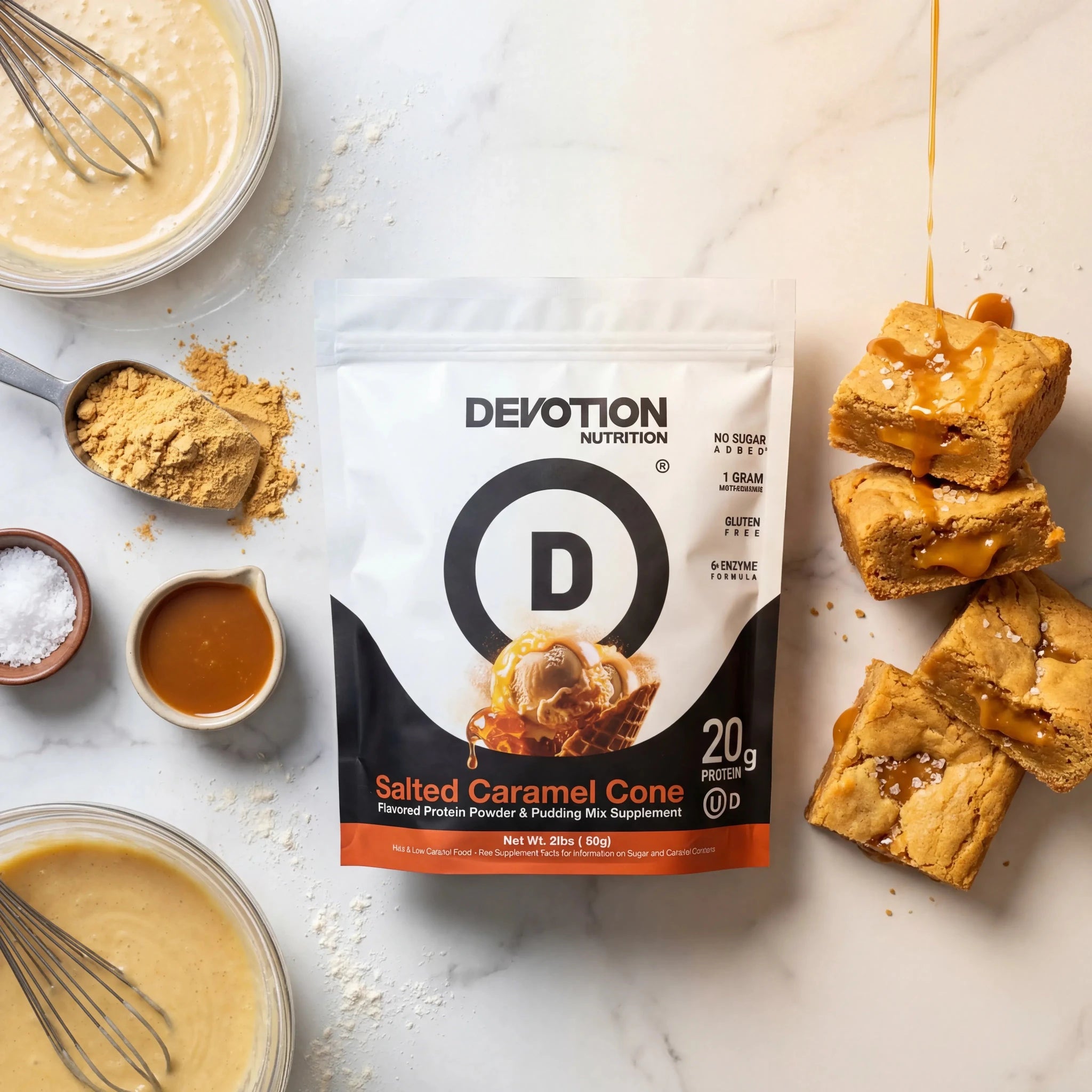
Healthy Ingredient Swaps & Easy Baking Conversions
April 9, 2026
Travel throws off your routine fast. Airport delays, hotel breakfasts, and eating out can mess with your energy, your goals and leave you feeling just OFF!
Devotion Nutrition gives you’re a super simple way to keep protein consistent, stay hydrated, and feeling good while traveling.
The goal isn't perfection. The goal is feeling good when you arrive and still feeling good when you get home.
Pack Protein First
Protein is the hardest thing to get while traveling. Most airport and hotel food is low in protein, which leads to hunger and energy crashes.
Devotion Nutrition trial packs make it easy. They're TSA-friendly, mix anywhere, and give you variety without lugging heavy containers.
What to Pack:
• Devotion trial packs in different flavors • Ice Shaker bottle • Pre-made mini loaves or protein and fiber snacks like beef jerky & apples • Homemade oatmeal packs (see below) or single serve PLAIN dry oat packs (store bought)
Make Travel Oatmeal Packs at Home
Mix these in zip top bags before you leave. Just add hot water at the airport or hotel. Can even mix together the night before and place in the hotel mini fridge.
Easy Combinations:
• Cinnamon Roll: 1/3 C Oats (carbs for energy) 1 TB Chia Seeds (Fiber and fat), 1 Scoop Devotion Sinful Cinnamon (Then grab some fruit if you want more fiber and nutrients). OPTION: Use another scoop of same or Angel Food Cake and make a pudding to add right to the top.
• Blueberry: 1/3 C Oats, 1 TB Chia Seeds, 1 Devotion Wild Blueberry
• Chocolate Brownie: 1/3 C Oats, 1 TB Chia Seeds, 1 Devotion Brownie Batter, a few chocolate chips
• Caramel Banana: 1/3 C Oats (carbs for energy) 1 TB Chia Seeds, 1 Scoop Devotion Bananas Foster. Can add a scoop of the Salted Caramel Cone as a pudding right on top. Grab a banana if you want also.
5 Quick Ways to Use Devotion Nutrition Anywhere
1. Protein Pudding: Mix with 2-4 oz water. Thick and creamy, no blender needed. Can do right in the trial pack or add to a disposable cup
2. Coffee Upgrade: Add to your coffee for a protein latte. (If you think to bring your Devotion frother then you are a Devotion PRO)
3. Better Oatmeal: Stir into hotel breakfast oatmeal for flavor and protein.
4. Greek Yogurt: Mix into yogurt from the breakfast bar.
5. Quick Shake: Just add water and shake. Simple and easy.
Stay Hydrated with HydroFLEX
Flights and busy travel days dehydrate you fast. HydroFLEX sticks are perfect for travel.
• Travel-friendly individual packs • Just add to your water bottle • Sugar-free essential B vitamins and electrolytes • Keeps energy and hydration up all day.
Tip: Put HydroFLEX in your empty bottle before security, fill with water after.
Smart Airport and Hotel Food Options
Quick Options That Work:
• Greek yogurt + your protein powder • Hard-boiled eggs or string cheese • Grilled chicken wraps (minus the heavy dressing packs) • Salads with protein (ask for extra) • Rotisserie chicken from nearby grocery stores, grab fruit, roasted edamame and beef jerky for a fast protein fix.
Eating Out Made Easy
Enjoy your meals, just keep it balanced.
Build Your Plate:
Protein First: ¼ of your plate go for leaner options like grilled chicken, fish, shrimp or steak. Watch out for sneaky sauces and additions.
Add Carbs: ¼ of your plate for energy to keep you going rice, potato, grains or just a couple bites from the bread basket.
Lots of Veggies: Fill half your plate with colorful vegetables. ALWAYS think protein and veggies when traveling. The fiber is needed to keep you regular and energized.
Simple Restaurant Tips:
• Get dressings on the side • Swap fries for veggies or salad • Don't skip meals to "save calories"—you'll just overeat later • Drink water with your meal • Enjoy local food, then get back on track next meal.
Move More, Feel Better
You don't need a gym. Just move throughout the day.
Easy Ways to Stay Active:
• Walk instead of taking Ubers everywhere • Take stairs instead of elevators • Do a 10-minute stretch in your hotel room • Walk after dinner • Take movement breaks every couple hours
Sleep Better with Devotion’s Magnesium Complex
Travel messes with sleep and digestion. Devotion Wellness’ Magnesium Complex will keep you resting better and the next day you’ll thank us.
• Sleep better in hotel rooms • Stay regular when your routine changes • Recover from long walking days • Adjust to new time zones
Your Travel Checklist
Including a travel check list I’m working on here
✓ Devotion trial packs ✓ HydroFLEX sticks ✓ Magnesium ✓ Ice Shaker bottle ✓ Pre-made protein mini loaves ✓Homemade oatmeal packs ✓ Mindful eating 80% of the time, enjoy the local flavor the rest!
Bottom Line
Pack protein. Stay hydrated. Move daily. Sleep well.
A little prep makes travel way easier. You'll feel better during your trip and won't need a "reset" when you get home.
Stay Devoted. Stay Energized. Enjoy Life
Quick FAQs
How much protein powder for a week trip? Pack 7-14 trial packs (1-2 per day).
Can I bring it through security? Yes! Trial packs go right through TSA.
What if my hotel has no fridge? These tips work without one. Protein powder and oatmeal packs don't need it. Premade mini loaves will be perfectly good for 3-4 days on the go without. Most hotels will offer one if it isn’t in the room however, and you can store them in there for 5-7 days.
Devotion On the Go: Your Simple Travel Nutrition Game Plan

Glutamine: Wellness, Recovery, and Resilience
Glutamine isn’t the newest supplement trend. This glutamine supplement has been studied for decades. It plays a major role in gut integrity, immunity, blood sugar regulation, and muscle recovery.
What Is Glutamine?
Glutamine is the most abundant amino acid in the body, making it a foundational amino acid supplement for overall health. It’s classified as “conditionally essential,” which means your body can normally produce enough on its own. However, when we are stressing our body with workouts, daily life stress, or illness, we may need additional support from an l-glutamine powder so we can recover from everything life hands us.
Because glutamine is so widely used by different tissues—ranging from the intestines to immune cells to muscles—pure l glutamine acts as a versatile nutrient that supports multiple aspects of health simultaneously.
Benefits of L-Glutamine Powder
Immune System Support From a Glutamine Supplement
Your immune system relies on glutamine as a fuel source. When glutamine levels become depleted, immune function can be compromised, leaving you more likely to get sick. Supplementing with a high-quality glutamine supplement can provide extra support to help your body heal and defend itself during periods of increased stress.
Gut Health and Digestive Support With an Amino Acid Supplement
The intestinal lining is undergoing renewal daily, and glutamine is the preferred fuel source for cells of the GI and digestive tract. Research shows that one of the key l-glutamine powder benefits is maintaining gut barrier integrity and helping protect against “leaky gut,” while also supporting smoother digestion. By nourishing the cells that line your intestines, glutamine plays a vital role in nutrient absorption and overall digestive health.
Blood Sugar Stability Benefits of L-Glutamine
Research also shows that glutamine plays a role in blood sugar regulation. The benefits of l-glutamine include helping reduce sudden spikes and crashes in energy levels, making it a valuable tool for supporting steady daily energy when paired with balanced nutrition and regular activity.
Glutamine for Recovery and Muscle Support
Glutamine is not a direct muscle-building supplement, but it plays an important role in glutamine for recovery. It helps reduce muscle protein breakdown and supports glycogen replenishment after exercise. If you are active, consistent use of an l-glutamine powder can help you feel more rested and ready for your next workout more quickly.
How to Use L-Glutamine Powder
Most studies show taking 5–10 grams daily. Devotion Nutrition’s pure l glutamine is completely unflavored, making it an ideal unflavored amino acid powder that mixes easily into water, shakes, yogurt bowls, oatmeal, or even your morning proffee.
Because it’s flavorless, you can also stir it into your Devotion Protein shakes or add it alongside our HydroFLEX™ hydration sticks. This flexibility is what makes it one of the best l-glutamine powder options for daily use without altering taste.
When to Take Pure L-Glutamine for Gut Health
For gut health support, taking glutamine on an empty stomach is most effective.
Using an Unflavored Amino Acid Powder for Recovery
For muscle recovery, post-workout is best.
How Much L-Glutamine Powder Should You Take Daily
For general wellness, glutamine can be used at any time of day that best fits your routine.
Who Should Use a Glutamine Supplement?
Glutamine supplementation can benefit nearly everyone.
Active individuals and athletes looking for better recoveryThose under chronic physical or emotional stressAnyone with digestive concerns such as bloating or discomfortPeople prone to frequent colds or infectionsAnyone aiming for more stable daily energy
Why Choose Devotion Nutrition Pure L-Glutamine?
Devotion Nutrition’s goal is to create products that are as clean and versatile as they are effective. Our l-glutamine powder is:
Pure and unflavored, free from dyes, fillers, and unnecessary additivesFlexible, mixing easily into any drink or recipe without altering tasteScience-backed, formulated with decades of research supporting the benefits of glutamine supplementation
We made this pure l glutamine unflavored intentionally, so you can easily add it to your Devotion Protein or Devotion Nutrition HydroFLEX™ without changing taste, opening up countless flavor combinations for daily use.
The Bottom Line on L-Glutamine Powder Benefits
Glutamine may not carry the same spotlight as protein or creatine, but its role in wellness is undeniable. From immune support and gut integrity to steady energy and glutamine for recovery, this amino acid supplement supports your body at a foundational level.
With Devotion Nutrition’s l-glutamine powder, we’ve created a simple way to incorporate one of the most researched and effective amino acids into your daily routine so you can feel your best every day.
Glutamine: Wellness, Recovery, and Resilience

Glutamine: Wellness, Recovery, and Resilience
January 15, 2026
Magnesium Blend: Relax, Recover, and Restore
Magnesium may not always get the spotlight, but it is one of the most important minerals for overall wellbeing. This essential mineral plays a vital role in digestion, relaxation, muscle function, and how your body unwinds at the end of the day.
Research shows that up to 95 percent of Americans may be deficient in magnesium. Poor soil quality, processed foods, caffeine intake, and chronic stress all contribute to depletion. This makes a magnesium complex supplement an important part of modern wellness routines.
Why Magnesium Matters
Magnesium supports more than 300 processes in the body, many of which directly impact digestion, relaxation, and recovery. One of the key magnesium complex benefits is its role in regulating muscle movement within the digestive tract, supporting healthy bowel function, and promoting a calm gut-brain connection. This helps support smoother digestion and reduced bloating.
Magnesium also supports deeper, more restorative sleep by helping relax the nervous system. Consistent intake allows the body to unwind more easily at night, improve sleep quality, and wake feeling more refreshed.
These foundational roles are why a magnesium complex is often considered one of the most important minerals for daily wellness.
Where Magnesium Is Found
Magnesium occurs naturally in foods such as:
Leafy greensAvocadosNuts and seedsBeans, lentils, and edamameWhole grains
While these foods contribute to intake, modern diets and depleted soil make it difficult to reach optimal levels through food alone. This is why many people benefit from a high quality magnesium supplement to meet daily needs.
Why Supplement With a Magnesium Complex
Devotion Nutrition’s Magnesium Blend is a magnesium complex supplement formulated with highly absorbable forms of magnesium to gently support digestion, relaxation, and recovery — without the digestive upset that many supplements can cause.
Regular use supports:
Healthy digestion and improved gut healthReduced bloating and improved regularityCalmer mood and healthier stress responseDeeper, more restorative sleepGentle muscle recovery overnight
These are some of the most well-known magnesium complex benefits, especially for individuals managing stress, poor sleep, or digestive discomfort.
Choosing a thoughtfully formulated blend is what separates an average product from the best magnesium complex supplement for daily use.
When to Take a Magnesium Complex Supplement
For best results, take your magnesium complex in the evening. Magnesium helps relax both the mind and muscles, supporting digestion and nervous system calm as your body prepares for sleep.
This timing makes magnesium an ideal addition to a nighttime wellness routine, especially for those focused on rest, recovery, and stress management.
Why Choose Devotion Nutrition Magnesium Blend
At Devotion Nutrition, we focus on clean, effective formulations that fit real life. Our Magnesium Blend is designed to deliver a high quality magnesium source that supports digestion, relaxation, and recovery without unnecessary additives.
This makes it a strong option for anyone looking for the best magnesium complex to support whole-body wellness.
The Bottom Line on Magnesium Complex Benefits
Magnesium plays a foundational role in digestion, sleep quality, stress response, and recovery. When intake is low, the body feels it quickly.
Using a magnesium complex supplement is a simple, effective way to restore this essential mineral and support how your body digests, rests, and recovers each day.
Stay devoted to wellness, from the inside out.
Devotion Nutrition's Essential Magnesium Blend: Relax, Recover, and Restore

Daily Defense: Because Life Doesn’t Take a Day Off
You can eat clean, move your body, and get your water in and still feel rundown sometimes. Between stress, long days, travel, and everyday life, your body needs a little extra support to stay healthy and energized.
That’s exactly why we created Daily Defense, a daily immune support supplement designed to help you stay strong and feel your best every day.
What Is Daily Defense?
Daily Defense is a clean, effective immune support supplement that combines essential vitamins and minerals with targeted immune-supporting ingredients.
This formula includes Vitamin C, Vitamin E, Vitamin B6, and Zinc, along with natural immune allies like Elderberry, Echinacea, Garlic, and Turmeric. These nutrients are commonly found in vitamins to boost immune system health and are known for supporting immune defenses and recovery.
We also added probiotics to support gut health, because digestion and immune function are deeply connected. A balanced gut helps your body better absorb nutrients and maintain a healthy immune response.
This makes Daily Defense a simple, one-step option for those looking for supplements for immune system support without overcomplicating their routine.
Why You’ll Love This Daily Immune Support Supplement
Immune Support for Everyday Life
Daily Defense helps keep your defenses strong through stress, travel, seasonal changes, and busy schedules. It’s an easy way to support your body when life doesn’t slow down.
Antioxidant and Inflammation Support
Elderberry and Turmeric provide antioxidant support that helps calm inflammation and supports recovery. These ingredients are often included in supplements to boost immune system health during demanding periods.
Gut Health and Nutrient Absorption
Probiotics help keep digestion balanced and support nutrient absorption, which plays a critical role in immune health. A healthy gut supports a stronger immune system overall.
Recovery and Added Backup
Echinacea and Garlic give your body extra immune support when stress levels are high or recovery needs increase, helping you stay consistent and resilient.
Steady Energy Without the Crash
B-vitamins help convert food into fuel, supporting steady energy throughout the day. This makes Daily Defense a great fit for anyone looking for the best vitamins for immune system support without stimulants.
Best Vitamin C and Zinc Supplement for Daily Use
Vitamin C and Zinc work together to support immune function and recovery. This combination makes Daily Defense a strong option for those looking for the best vitamin c and zinc supplement to use consistently as part of a daily wellness routine.
How to Use Daily Defense
Take 2 capsules daily.
I love pairing mine with my Devotion Protein Shake or HydroFLEX for a quick, complete daily routine that supports hydration, nutrition, and immune health.
Consistency matters most. Using this daily immune support supplement regularly helps your body stay prepared for whatever the day brings.
Who Should Use an Immune Support Supplement?
Daily Defense is a great option for:
Busy adults managing stress and long daysParents and caregivers juggling demanding schedulesActive individuals training hard and prioritizing recoveryAnyone traveling frequently or navigating seasonal changesThose looking for reliable supplements for immune system support
The Bottom Line on Daily Defense Immune Support
Life doesn’t slow down, and your routine shouldn’t have to either.
Daily Defense provides essential nutrients and targeted ingredients found in the best vitamins for immune systemhealth, helping your body stay strong, energized, and supported every day.
It’s simple. It’s clean. It’s consistent support you can rely on.
Stay healthy. Stay devoted.
Devotion Nutrition's Daily Defense, Multi Vitamin: Because Life Doesn’t Take a Day Off

Vitamin D3 + K2: Strength, Balance, and Support
Vitamin D3 and K2 are not new supplement trends. These vitamin d3 and k2 supplements have been researched for decades and play a major role in bone strength, cardiovascular health, hormone balance, immune defense, and overall vitality.
What Is Vitamin D3 and K2?
Vitamin D3 is known as the “sunshine vitamin.” Your body produces it when your skin is exposed to sunlight. It helps your body absorb calcium, supports immune function, and influences energy and mood. Many people benefit from 5000 IU of vitamin d3, especially those with limited sun exposure or increased needs.
Because it is fat-soluble, vitamin d3 5000iu is best absorbed with dietary fat and relies on other nutrients to work efficiently.
Vitamin K2 is also fat-soluble and plays a unique role in directing calcium where it belongs. At a dose such as k2 100mcg, it helps guide calcium into bones and teeth, prevents buildup in arteries, and activates proteins that depend on Vitamin D3 to function properly. Some of these proteins also rely on adequate dietary protein, which means meeting your protein needs helps maximize how this system works.
When taken together, d3 and k2 form a complementary partnership. Vitamin D3 increases calcium absorption, while K2 ensures calcium and proteins are used correctly throughout the body. Without K2, the full benefit of Vitamin D3 cannot be realized.
Benefits of Vitamin D3 and K2
Immune System Support With Vitamin D3 and K2
Vitamin D3 helps regulate immune responses and supports your body’s defenses. Low vitamin D levels are linked to a higher risk of illness. Using a vitamin d3 and k2 combination helps support immune health during periods of stress, seasonal changes, or increased physical demands.
Bone Health and Calcium Utilization
Vitamin D3 improves calcium absorption, while K2 directs that calcium into bones and teeth. One of the key benefits of vitamin d3 and k2 is improved bone strength and density, which becomes increasingly important with age.
Cardiovascular Health Support
Without adequate K2, calcium can accumulate in soft tissues such as arteries. Vitamin K2 activates proteins that help prevent this buildup. When paired together, vitamin d3 and k2 support heart and artery health by promoting proper calcium placement.
Blood Sugar and Energy Balance
Vitamin D plays a role in glucose metabolism and insulin sensitivity. Low vitamin D levels are associated with a higher risk of insulin resistance. Supplementing with vitamin d3 5000 iu with k2 helps support steadier blood sugar and more consistent daily energy.
Hormone Support and Mood Balance
Vitamin D functions like a hormone in the body and influences mood, energy, and other hormones such as estrogen and testosterone. Adequate intake through vitamin d3 and k2 supplements supports balanced hormone function and overall wellbeing.
Energy and Mood Support
Low vitamin D levels are commonly linked to low energy and mood changes. A consistent vitamin d3 and k2 combination helps support steady energy and emotional balance throughout the day.
How to Use Vitamin D3 5000 IU With K2
Vitamin D3 relies on Vitamin K2 to be absorbed and utilized efficiently. Taking them together is the most effective way to support bone, heart, and immune health.
• Take daily, ideally first thing in the morning• Pair with a meal that contains healthy fat to support absorption• Avoid taking with coffee or caffeine, as caffeine and polyphenols can interfere with absorption and increase vitamin excretion
This makes vitamin d3 5000iu with k2 easy to integrate into your daily routine.
Who Should Use Vitamin D3 and K2?
Nearly everyone can benefit from vitamin d3 and k2 supplementation.
Adults with limited sun exposureWomen in midlife focused on bone, hormone, and heart healthActive individuals seeking immune and recovery supportPeople managing energy, mood, or blood sugar changesAnyone focused on long-term wellness and healthy aging
Why Choose Devotion Nutrition Vitamin D3 and K2?
Devotion Nutrition’s goal is to create products that are clean, simple, and effective. Our vitamin d3 and k2 supplements are:
Clean – free from unnecessary fillers, dyes, or additivesScience-backed – supported by decades of researchTargeted – combining nutrients that work better together than alone
This vitamin d3 and k2 combination was formulated to support daily wellness while fitting seamlessly into your routine.
The Bottom Line on Vitamin D3 and K2
Vitamin D3 and K2 each offer essential benefits on their own. When combined, the benefits of vitamin d3 and k2include stronger bones, improved heart health, balanced blood sugar, hormone support, immune defense, and overall vitality.
With Devotion Nutrition’s vitamin d3 and k2, you have a simple way to address common nutrient gaps and support your health every day — especially when paired with Devotion Protein to help your body make the most of both calcium and protein.
Vitamin D3 + K2: Strength, Balance, and Support

Vitamin D3 + K2: Strength, Balance, and Support
January 15, 2026
Daily stress, poor sleep, and mental fatigue tend to stack up fast. Many people notice subtle warning signs like shallow rest, foggy focus, or lingering inflammation long before they connect them to heart health. The challenge lies in finding support that addresses these issues together rather than treating each in isolation.
Omega-3 fatty acids are among the most researched nutrients for whole-body health. A high-quality omega-3 fish oil softgel plays a critical role in heart health, brain function, inflammation control, metabolic support, and sleep quality.* So how does omega-3 fish oil support all of these systems at the same time?
What Are Omega-3 Fatty Acids?
Omega-3s are essential fats your body cannot produce on its own. This is why both diet and omega-3 fish oil capsules are important for meeting daily needs.
The three primary types include:
EPA – Found in fatty fish and fish oil. Known for heart health, circulation, and inflammation support.
DHA – Found in fish and algae. Essential for the brain, nervous system, and cognitive health.
ALA – Found in plant foods like chia, flax, walnuts, hemp hearts, avocados, and legumes. Your body can convert ALA into EPA and DHA, but this process is very inefficient.
Because most modern diets contain excess omega-6 fats from processed foods and seed oils, the imbalance between omega-6 and omega-3 intake is strongly linked to inflammation and chronic health concerns. This is why supplementing with a direct source of EPA and DHA, such as omega-3 fish oil, is so important.
Ways How Omega-3 Fish Oil Softgel Supports Heart, Brain, and Sleep
Here are the ways an Omega-3 Fish Oil Softgel can support your heart, brain, and sleep:*
Heart Health
Omega-3 fish oil softgels support heart health by improving circulation and helping regulate vascular inflammation.* EPA plays a key role in maintaining healthy blood flow and supporting balanced lipid levels within the cardiovascular system.*
By helping lower triglycerides, stabilize arterial plaque, and support healthy cholesterol balance, EPA reduces strain on the heart. These combined effects contribute to stronger cardiovascular function and long-term support for heart health.*
Brain Function
DHA plays a structural role in brain and nerve cell membranes, supporting efficient communication between neurons. This structural support helps maintain mental clarity and overall cognitive function as the brain processes information throughout the day.
Adequate omega-3 intake also supports focus, mood balance, and cognitive performance.* By influencing nervous system signaling, DHA plays a role in how the body responds to stress and mental fatigue over time.
Sleep Quality
Omega-3s support sleep by influencing melatonin production and circadian rhythm regulation. EPA and DHA help calm inflammation and support balanced nervous system signaling, which makes it easier for the body to settle into restful sleep. Emerging research also suggests omega-3s may enhance sleep depth and continuity, especially when paired with nutrients such as magnesium and curcumin.*
Sleep-focused combinations that include fish oil, magnesium, and turmeric have been associated with faster sleep onset, longer uninterrupted sleep, and improved morning energy. While research continues to evolve, these findings point to an important role for omega-3s in sleep quality alongside their established benefits for heart and brain health.*
Why Omega-3 Fish Oil Matters?
Here are reasons why taking an Omega-3 Fish Oil is important:
Heart Health Support
EPA and DHA help improve circulation, stabilize arterial plaque, lower triglycerides, and support healthy cholesterol balance. These cardiovascular effects are among the best-known benefits of omega-3 fish oil.*
Brain and Mood Health
DHA is a structural component of brain and nerve cells. Adequate intake of omega-3s is associated with improved focus, cognitive health, mood balance, and a lower risk of cognitive decline over time.*
Inflammation and Recovery
Omega-3s help calm systemic inflammation, ease joint discomfort, and support faster recovery from physical training and daily stress.* This makes omega-3 fish oil capsules especially valuable for active individuals.
Metabolic Support
Research suggests EPA and DHA may improve insulin sensitivity and reduce markers of metabolic syndrome, supporting overall metabolic health.
How to Use Omega-3 Fish Oil Capsules
Here are the ways to use the Omega-3 Fish Oil Capsules:
Daily Dosage
For general wellness, aim for 500 to 1,800 mg combined EPA and DHA daily. Higher clinical doses above 3,000 mg should be guided by a healthcare professional.
Form Matters
Choose a re-esterified triglyceride (rTG) fish oil, which is considered the gold standard for absorption and stability. Always look for third-party-tested products that are free of heavy metals, PCBs, and oxidation. This is a key factor when selecting the best omega-3 fish oil.
Take With Food
Take your omega-3s with a meal that contains fat to enhance absorption and reduce digestive discomfort.
Why Nighttime Is the Best Time to Take Omega-3s?
Taking the best omega-3 fish oil in the evening offers several advantages:
Better absorption – Dinner is often the most fat-rich meal of the day.
Supports overnight repair – The body performs much of its anti-inflammatory and cellular repair work during sleep.
Fewer interactions – Evening dosing avoids interference from caffeine, fiber, or multivitamins.
Less noticeable side effects – Any mild digestive effects are less disruptive overnight.
Daily Wellness Backed by Omega-3 Nutrition
Omega-3s are among the most impactful supplements for long-term health. The benefits of omega-3 fish oil include support for heart health, brain function, inflammation control, recovery, and sleep quality, areas where most diets fall short in EPA and DHA.* Using a high-quality omega-3 fish oil softgel capsule with your evening meal is a simple way to support daily balance and overnight repair.
At Devotion Nutrition, wellness is built around supporting the body where it matters most, from heart and brain health to recovery and better sleep. Their supplements are designed to fit seamlessly into daily routines, helping support balance, performance, and long-term health.* For more wellness products that support your overall health, browse the full Devotion Wellness Collection.
FAQs
What happens to your body when you start taking omega-3s?
When you start taking an omega-3 fish oil softgel capsule, your body begins supporting heart, brain, and inflammatory pathways at the same time.* Omega-3 fish oil helps regulate blood pressure, lower triglycerides, reduce joint inflammation, and support brain and eye function, while contributing to mood balance and cognitive health.* Over time, the benefits of omega-3 fish oil also include a reduced risk of heart disease and ischemic stroke, making high-quality omega-3 fish oil capsules a reliable option for daily wellness. *
What are the signs of omega-3 deficiency?
Signs of omega-3 deficiency often appear gradually and affect multiple systems in the body. Common signs include dry or irritated skin, brittle hair and nails, joint stiffness, frequent inflammation, poor focus, low mood, and increased mental fatigue. Some people also notice restless sleep, slower recovery from exercise, and eye dryness, as well as cardiovascular markers such as elevated triglycerides, which reflect how omega-3s support both structural and regulatory functions in the body.
Who cannot take omega-3?
Certain individuals should seek medical guidance before taking omega-3 supplements. This includes people who are pregnant or nursing, those with medical conditions, individuals taking medications that affect blood clotting, anyone with a fish or shellfish allergy, and parents considering omega-3 use for a child. Consult a healthcare professional prior to use, and discontinue use if any adverse reactions occur. Follow up with your provider.
Can omega-3 fish oil be taken daily long-term?
Omega-3 fish oil is commonly used as a daily supplement for ongoing support. Long-term use is generally considered safe when taken at appropriate doses and sourced from high-quality products. Anyone with medical conditions or on medication should check with a healthcare provider.
How Does Omega-3 Fish Oil Softgel Support Heart, Brain, and Sleep

How Does Omega-3 Fish Oil Softgel Support Heart, Brain, and Sleep
January 15, 2026
Why I Always Travel with Devotion Protein
I love to travel. Like, truly love it. Whether it's a quick overnight trip, a long weekend getaway, or a vacation, getting away is so good for my soul. But here's the thing: if you've ever tried to stay consistent with your nutrition while traveling, you know how fast your routine can fall apart.
Longer days, limited options, it's so easy to under-eat, over-snack or just grabbing whatever's most convenient. Something I always pack when I travel. It's easy to use, versatile, and with all the flavor options? It never gets old. No matter where I am or what kind of food access I have, I've got options.
A Reliable Option When Food Gets Unpredictable
Let's be real, airports, travel stops, hotel snack bars, and a lot of restaurants don't exactly scream balanced meal. Most of what you find is heavy on the carbs and fats but light on protein. And when my protein intake drops? My energy crashes, hunger hits harder, and staying consistent feels out of my control.
Having Devotion with me is like having good nutrition when everything else is unpredictable. I can mix it into a shake, stir it into my coffee, turn it into pudding, or use it as a base for a quick meal. Whatever the day throws at me, I know I can fuel my body in a way that keeps me satisfied.
My Hotel Breakfast Hack
Okay, this is one of my favorite travel tricks. Most hotels have a microwave, and that's all you need. I'll grab a packet of plain oats (I like to pack them from home in snack portion bags too) from the breakfast bar, add water, and microwave it right in my room or downstairs. Then I mix my Devotion protein with just a little bit of water and make a thick pudding like frosting and pour it right over the oats. From there, I top it with whatever some nuts, seeds, fresh fruit from the breakfast area or front desk, or something I grabbed at a nearby convenient store.
The whole thing takes less than five minutes, keeps me full for hours, and gives me that perfect balance of protein, carbs, and healthy fats without needing a kitchen. Plus, it’s comforting and familiar even when not at home. PLUS, I can stay put in my room, save money from eating out too. Honestly, this one hack alone is reason for Devotion to always have a spot in my suitcase and carry on.
Shake, Pudding, Mug Cake, Coffee Creamer... You Name It
What I love most about Devotion for travel is how many ways I can use it. Some days I want a shake between meals. Other days I'll mix it thick with just a splash of liquid and turn it into protein pudding. If I've got a microwave handy, I can whip up a quick mug cake right in the hotel room.
Sometimes it goes straight into my coffee for a protein-packed latte. One product with endless options. That versatility is what keeps me from getting bored with food while keeping nutrition super simple.
Easy to Pack, Easy to Use
Devotion is one of the easiest things to travel with. I'll portion out servings ahead of time into small bags or even easier I always have the sample packs on hand in a variety of flavors. They take up no space, don't need to be refrigerated, and I don't need a blender to make them work.
Water, coffee, regular milk, almond milk, whatever I can find works. That means I always have a way to get my protein in without having to rely on random snacks or skip meals.
Why Protein Matters Even More When You're Traveling
Travel days are hard on your body. Your sleep schedule gets thrown off, you're moving around more, hydration is probably down and stress levels rise, it's a lot. Protein helps support your muscles, stabilizes your blood sugar, aids in recovery, and keeps hunger in check when meals are all over the place.
Without enough protein, I feel drained, hungry, and honestly kind of irritable. Devotion gives me a simple way to stay in my zone when nothing else about the day is routine.
Staying Nourished Without Overthinking It
My goal while traveling isn't perfection, it's just some form of consistency that I need and we all crave. Devotion makes that possible. It gives me options without the overwhelm.
Instead of skipping meals, grazing all day on stuff, or feeling like I need to completely "reset" when I get home, I can travel, enjoy all the food experiences, and feel grounded in my nutrition.
That's why Devotion always comes with me. Every trip. Every time.
Why I Always Travel with Devotion Protein
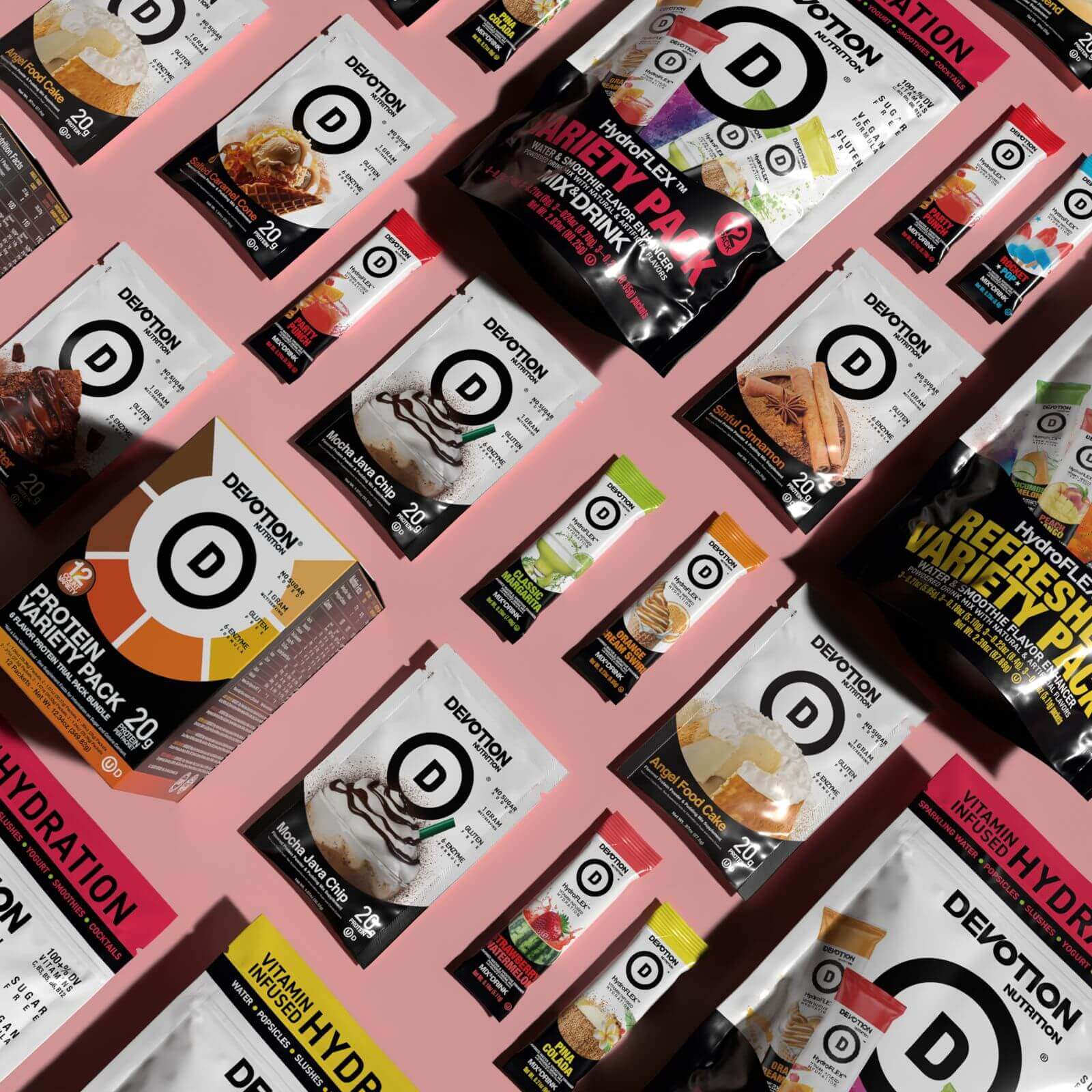
Why I Always Travel with Devotion Protein
December 11, 2025
If you’ve ever tried adding protein powder to your muffins, cookies, or brownies and ended up disappointed, only to have them turn out tough, chalky, or sponge-like instead of soft and moist, you know how frustrating it can be. The issue isn’t your baking skills; it’s choosing the right protein powder.
Now, picture biting into a warm, soft cookie or a golden muffin packed with 20 grams of protein that supports muscle recovery and keeps you full. Achieving this isn’t about mastering complicated techniques; it’s about selecting the right protein powder.
This guide will help you understand why Devotion Nutrition’s protein powders are the best choice for baking, how to master substitutions, and how to create high-protein treats that are as delicious as they are nutritious.
Why Use Protein Powder in Baking and Cooking?
Incorporating protein powder into your dishes is one of the easiest and most impactful health “hacks” you can try. It goes beyond just muscle development; it’s about creating a balanced diet that fits your lifestyle.
Adds Nutrition with Minimal Recipe Adjustments
A single scoop can turn a high-carb snack into a balanced mini-meal, helping to keep your blood sugar stable and keep you full for longer.
Easily Increases Protein Consumption
For athletes, busy parents, GLP-1 users, or anyone who struggles to meet their daily protein needs, baking protein powder into muffins, pancakes, and bread is a simple and fun way to meet those requirements.
Enhances Macronutrient Profiles
By substituting some of the refined flour in a recipe, you can greatly improve its macronutrient composition and produce a more nutrient-rich end result.
Protein powder is versatile and can be used in many ways beyond just making shakes. For breakfast, you might enjoy protein pancakes, and for a mid-morning snack, protein muffins are a great option. If you’re looking for an afternoon treat, soft-baked protein cookies are a delicious option. Additionally, you can use protein powder to thicken and boost the nutritional value of sauces.
What are the Types of Protein Powder?
Not all proteins have the same characteristics, particularly when subjected to heat. Grasping the unique properties of each type is the very first step to becoming a master of protein for baking.
Whey Protein: The Gold Standard for Fluffiness
Whey protein, especially whey protein isolate for baking, stands out as a leading option. Its fine consistency and neutral taste make it highly adaptable.
Ideal For: Cakes, muffins, and fluffy, delicate baked goods.
Be Cautious Of: Excessive use can lead to dryness since it tends to absorb a significant amount of moisture.
Casein Protein: The Secret to Moist, Dense Bakes
This powder has a thicker and creamier texture than whey and forms a gel-like mixture when combined, resulting in a very moist and rich crumb in baked goods.
Ideal For: Brownies, heavy breads, and cheesecakes.
Be Cautious Of: Its thick consistency. To avoid overly dense results, remember: denseness often comes from overmixing or too little liquid. Gently fold the powder into your batter until just incorporated, and don’t hesitate to adjust with a splash more liquid if the mix seems too thick.
The Hybrid Advantage: Whey and Casein Blends
Why select just one? Devotion protein powder offers a unique blend that combines fast-absorbing whey isolate for baking with slowly digesting casein, making it the ideal option for baking protein powder.
This formidable combination delivers the advantages of both ingredients: the whey contributes to a soft, airy texture, while the casein ensures exceptional moisture retention and a hearty, satisfying crumb. This makes it arguably the top choice for protein powder in a variety of recipes, from chewy cookies to fluffy muffins.
Ideal For: Everything from airy cakes and chewy cookies to dense brownies and tender muffins.
How to Choose the Best Protein Powder for Baking & Cooking?
Choosing the right protein powder for baking involves careful consideration. Here are the essential factors to consider before making a purchase:
Texture is Paramount
The single most important factor to consider is the fineness of the powder. A powder that is as fine as flour and “instantized” will mix effortlessly into batters, whereas a coarse one will spoil the overall mouthfeel of your dish.
Flavor for Versatility
Though a decadent chocolate protein powder for baking is ideal for making brownies, an unflavored or vanilla variant is the real all-rounder. A high-quality best vanilla protein powder for baking, such as the Angel Food Cake Protein Powder, can seamlessly integrate into a variety of recipes, from banana bread to pizza crust, without interfering with other flavors.
Prioritize High-Quality, Transparent Protein
Not all protein powders are created equal. Look for products with minimal fillers and clean ingredients that won’t compromise taste or texture. Devotion protein powder is third-party tested, contains no amino spiking, and is free from unnecessary fillers, delivering trusted, high-quality protein for shakes, coffee, sauces, and baked goods.
Check the Nutritional Profile
When choosing a protein powder, it’s important to select one that contains all essential amino acids, as these are key for muscle recovery and overall well-being. Devotion Nutrition is a complete protein, third-party tested for panel accuracy, and contains all essential aminos, giving you high-quality protein you can trust.
Consider Allergens and Diet
The best protein powder for baking is one that fits your specific dietary requirements. There are numerous great options available to choose from.
Trust the Brand
Choose brands like Devotion Nutrition that are transparent about their sourcing and have their products tested by third parties for purity and effectiveness.
Tips for Substituting Protein Powder in Recipes
Perfecting the swap is what distinguishes successful protein bakes from culinary failures. Adhere to these guidelines for consistent success with every batch.
The Flour Replacement Rule
For a successful protein boost, swap up to 50% of the flour in your recipe with protein powder. A perfect starting point is a 1:1 exchange. For example, if a recipe requires 1 cup of flour, use ½ cup of flour and ½ cup of protein powder.
Add Extra Liquid
Protein powder absorbs a lot of liquid. For every ½ cup of protein powder you use, incorporate an extra 2-3 tablespoons of a liquid, such as milk, water, yogurt, applesauce or canned pumpkin to retain moisture.
Incorporate Moist Ingredients
Enhance moisture from the start by adding ingredients like mashed bananas, pumpkin puree, Greek yogurt, or nut butter.
Don’t Hold Back on Healthy Fats
A slight increase in nutritious fats (such as coconut oil or butter) can help mitigate the drying impact of protein and enhance the creaminess.
Mix with Caution
Excessive mixing of a protein-rich batter can cause gluten and protein strands to overstrengthen, resulting in a tough texture. Stir only until the ingredients are just combined.
Modify Cooking Time and Heat Level
Proteins tend to cook more quickly than carbohydrates, such as flours. Consider reducing your oven temperature by 25°F (approximately 14 °C) and checking for doneness a bit earlier to avoid overbaking.
Best Recipe Ideas for Protein Powder
Here are some foolproof recipes to get you started:
Blueberry Mini Waffles
Ingredients
1.5 scoops Devotion Wild Blueberry Protein Powder
2 TBSP almond milk (or milk of choice)
1/2 C liquid egg whites
1/4 C fresh or frozen blueberries
Instructions
In a medium bowl, combine the protein powder, egg whites, and almond milk. Whisk until you have a smooth, well-blended batter. Gently fold in the blueberries.
Let the batter rest for a few minutes while your mini waffle iron heats up.
Lightly coat the preheated waffle iron with non-stick spray. Pour a small amount of batter into the center, wait a few seconds, and close the lid. Cook for 2-3 minutes until golden and firm. Repeat with the remaining batter.
Top your warm mini waffles with your favorite toppings and enjoy immediately!
Nutrition (Per Serving)
Calories: 123
Protein: 22g
Carbohydrates: 5g
Fiber: 2g
Fat: 1g
No-Bake Protein Cookie Dough Balls
Ingredients
¾ C Devotion Nutrition Protein Powder, any flavor
3 TBSP unsweetened almond milk (or milk of choice)
1½ C old-fashioned rolled oats
½ C coconut flour
½ C sugar-free pancake syrup
⅓ C nut butter of choice (e.g., almond, peanut)
2 TBSP mini chocolate chips
Instructions
In a medium mixing bowl, whisk together the protein powder, rolled oats, coconut flour, nut butter, sugar-free syrup, and almond milk until smooth. Stir until a thick, uniform dough begins to form.
Once the mixture is well combined, gently fold in the mini chocolate chips until they are evenly distributed throughout the dough.
Using your hands or a small scoop, form the dough into approximately 1-inch balls. Place them in a single layer in an airtight container.
Refrigerate the protein balls for at least 1 to 2 hours.
Enjoy your protein bites straight from the fridge!
Nutrition (Per Serving - 1 ball)
Calories: 92
Protein: 5g
Carbohydrates: 9g
Fiber: 2g
Fat: 3g
Banana Nut Bread Mini Loaf
Ingredients
1 scoop Devotion Sinful Cinnamon Protein Powder
¼ C mashed ripe banana
¼ C liquid egg whites
1 tsp cinnamon
1 TBSP brown sugar substitute
¼ C oatmeal
1 TBSP chopped walnuts
1 tsp baking powder
Sugar-free chocolate chips (optional)
Instructions
Preheat oven to 350°F (175°C).
Mix all ingredients in a bowl until well combined.
Spray a mini loaf pan with non-stick spray, then pour in the batter.
Bake for approximately 20 minutes. Do not overbake.
Let cool before slicing. Enjoy!
Note: Cooking times may vary slightly depending on your oven's temperature and settings.
Nutrition Facts (Per Loaf)
Calories: 318
Protein: 30g
Carbohydrates: 35g
Fiber: 7g
Sugar: 6g
Mocha Java Protein Shake
Ingredients
1 Scoop Devotion Mocha Java Chip Protein Powder
8-16 oz. unsweetened almond milk (or milk/water of choice)
1 C Ice (for shake) or 2 C Ice (for fluff)
Optional Toppings:
Sugar-free whipped topping
Crushed Oreo Thins
Instructions
Combine protein powder, ice, and 8 oz of almond milk in a high-speed blender.
Blend until smooth and creamy.
For a thicker “fluff” consistency, use 2 cups of ice and add more liquid as needed.
Pour into a glass and top with optional toppings if desired. Enjoy immediately!
Nutrition Facts
Calories: 148
Protein: 21g
Carbohydrates: 6g
Fiber: 2g
Fat: 5g
Blueberry Banana Pancakes
Ingredients
1 Scoop Devotion Wild Blueberry Protein Powder
¾ C egg whites
½ C oats
1 ripe banana
¼ C fresh or frozen blueberries
For Serving (optional):
Additional blueberries
Sliced banana
Instructions
In a blender, combine protein powder, oats, banana, and egg whites. Blend until smooth.
Gently stir the blueberries into the batter by hand.
Pour batter onto a lightly greased pan or griddle over low heat.
Cook until golden brown on both sides, being careful not to overcook.
Serve immediately, topped with extra blueberries and banana slices if desired.
Note: Cooking times may vary depending on your stovetop's temperature and settings.
Nutrition Facts (Per Serving)
Calories: 241
Protein: 23g
Carbohydrates: 33g
Fiber: 4g
Fat: 2g
Salted Caramel Chocolate Chip Brownies
Ingredients
2 Scoops Brownie Batter Protein Powder
½ C unsweetened almond milk
1 tsp baking powder
¼ tsp salt
1 large egg
⅓ C almond butter
2 TBSP canned pumpkin puree
¼ C sugar substitute
2 TBSP sugar-free chocolate chips
Optional Toppings:
Calorie-free caramel syrup
Flaky sea salt
Instructions
Preheat oven to 350°F. Spray an 8x8 baking dish with non-stick spray.
In a medium bowl, whisk together protein powder, sugar substitute, baking powder, and salt.
In a separate bowl, mix almond butter, egg, almond milk, and pumpkin until smooth.
Add dry ingredients to wet ingredients, stirring just until combined. Fold in chocolate chips.
Spread batter evenly into the prepared pan. Drizzle with caramel syrup and sprinkle with flaky salt if desired.
Bake for 15-20 minutes until set. Let the cake cool completely before cutting it into 16 squares.
Nutrition Facts (Per Brownie)
Calories: 77
Protein: 5g
Carbohydrates: 6g
Fiber: 2g
Fat: 4g
Level Up Your Baking Game with Protein
Incorporating protein powder into your baking isn’t just a trend; it’s a smart way to boost nutrition while enjoying your favorite treats. Devotion Nutrition offers premium protein powders designed for both shakes and baking, delivering a perfect bakery-like texture every time. From the rich Brownie Batter to the refreshing Wild Blueberry, each flavor makes creating protein-packed, delicious treats easy. With Devotion, your kitchen becomes a place where health and indulgence come together effortlessly.
You have the recipes and the knowledge; now trust the protein that professionals and home bakers alike rely on. Devotion Nutrition ensures every scoop blends perfectly, bakes beautifully, and supports your fitness goals. Stop guessing and start creating with confidence. Experience why Devotion is the go-to choice for protein-packed culinary success!
Frequently Asked Questions (FAQs)
Can you bake with protein powder?
Absolutely! You can replace up to 1/3 of the flour in recipes such as muffins and pancakes. For optimal results, include a bit more liquid to avoid dryness.
Can you use protein powder instead of flour?
No, a direct 1:1 substitution is not advisable. Since protein powder does not contain gluten, it’s best to substitute only 25-30% of the total flour to ensure the right texture and rise.
Can you cook with whey protein?
Yes, whey protein powder for baking performs effectively in fast-baking items such as cookies and pancakes. Steer clear of extended, high-temperature cooking, as it may impact the texture.
What is protein baking powder?
This isn’t a commonly used term, but it describes a protein powder that’s perfect for baking. Seek out a fine texture and a neutral flavor that blends easily and doesn’t become rubbery during cooking.
Guide to Finding the Best Protein Powder for Baking and Cooking
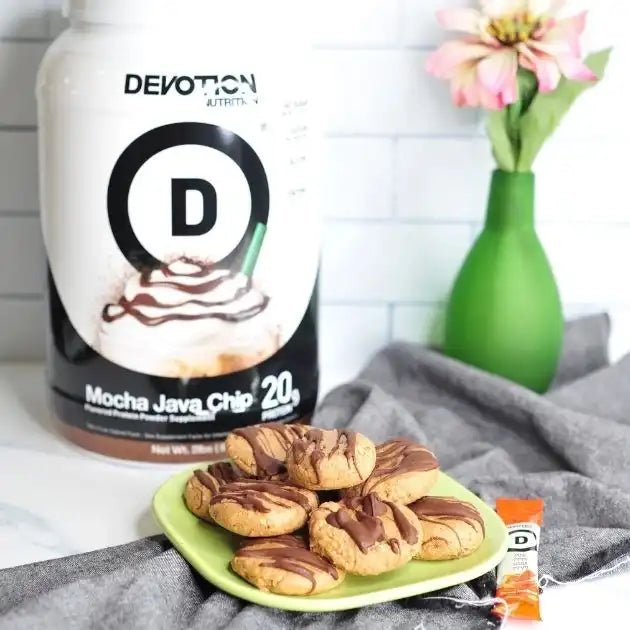
Guide to Finding the Best Protein Powder for Baking and Cooking
December 11, 2025
No results found for .
