

Best Protein Powder for Bariatric Patients: What to Look for After Surgery
Best Protein Powder for Bariatric Patients: What to Look for After Surgery
You just had weight loss surgery. Your stomach is the size of an egg. And someone is telling you to hit 100 grams of protein a day. That math is hard. The right protein powder and whole food sources make it doable. But not every protein powder works after bariatric surgery. Some are too sweet. Some mix into a chalky mess. Some sit too heavy and make you feel sick. This guide cuts through the noise and tells you exactly what to look for, what to avoid, and how to make protein work for your new life post op.
At Devotion Nutrition, we think about this stuff every single day. Our formulas were built for real people with real goals, and that includes people navigating post-bariatric recovery. Here is what matters when you are shopping for a protein powder to help fill the gaps of whole protein sources after surgery.
Why Protein Is So Important After Bariatric Surgery
After surgery, your body is going through a massive change. You are eating less, absorbing less, and healing at the same time. Protein does the heavy lifting through all of it. It helps the body heal surgical tissue and reduce recovery time, preserves lean muscle mass while fat is being lost, keeps energy up as calorie intake drops, and will support hair, skin, and bone health, which comes up a lot in the months following surgery and is worth taking seriously.
Research consistently shows that inadequate protein intake after any type of bariatric surgery is linked to muscle loss, slower recovery, and nutrient deficiencies.
Why protein matters after bariatric surgery
https://pubmed.ncbi.nlm.nih.gov/29035973/
Why the whey and casein blend works
https://pubmed.ncbi.nlm.nih.gov/22569072/
The challenge is that most bariatric patients can only eat or drink 4 to 6 ounces at a time, especially in the early months. A protein powder needs to pack a real punch in a small amount. That is not a “nice to have” option, it can make the whole game.
What Makes a Protein Powder a Good Fit for Bariatric Patients
High Protein Per Serving, Low Everything Else
The goal is at least 20 to 25 grams of protein per scoop with as few calories, carbs, and sugars as possible. Every gram counts when you are working with 8 ounces at a time. Look for 18 to 25g of protein per serving, under 5g of sugar with zero added sugar being the ideal, low fat and low carb, and a clean ingredient list without fillers that bulk up the label but add nothing to the goal.
Devotion Nutrition protein powders deliver 20g of protein per serving with zero sugar. That ratio was intentional. It is exactly where a post bariatric patient can benefit the most without anything that gets in the way.  Easy to Digest Protein Sources
After surgery, the digestive system is sensitive and the stomach is smaller. Heavier hard to digest proteins can cause stomach discomfort, nausea, or that dreaded dumping feeling that no one wants to deal with.
The most stomach friendly protein sources for bariatric patients are whey protein isolate, which is fast absorbing, low in lactose, and highly bioavailable and is widely considered the gold standard for post op use. Casein protein, which digests more slowly and helps some patients feel full longer and more satisfied. You always want a formula that is true to its name, not amino spiked and is giving you all you need and expect from a protein powder.
Whey protein concentrate tends to be harder on sensitive stomachs due to higher lactose content. Switching to an isolate based formula can make a significant difference for patients who have had bloating or tons of stomach discomfort after surgery.
Texture and Mixability
This one is underrated and it matters more than most people realize going in. After surgery, texture becomes a real factor. A gritty or clumpy protein shake is not just unpleasant. It becomes something patients will tend to just avoid. But, right now skimping on protein is not an option. Especially, early in recovery.
Look for a protein that mixes smooth with just a shaker bottle, leaves no gritty residue at the bottom, and is thin enough to sip slowly without feeling heavy or sitting wrong.
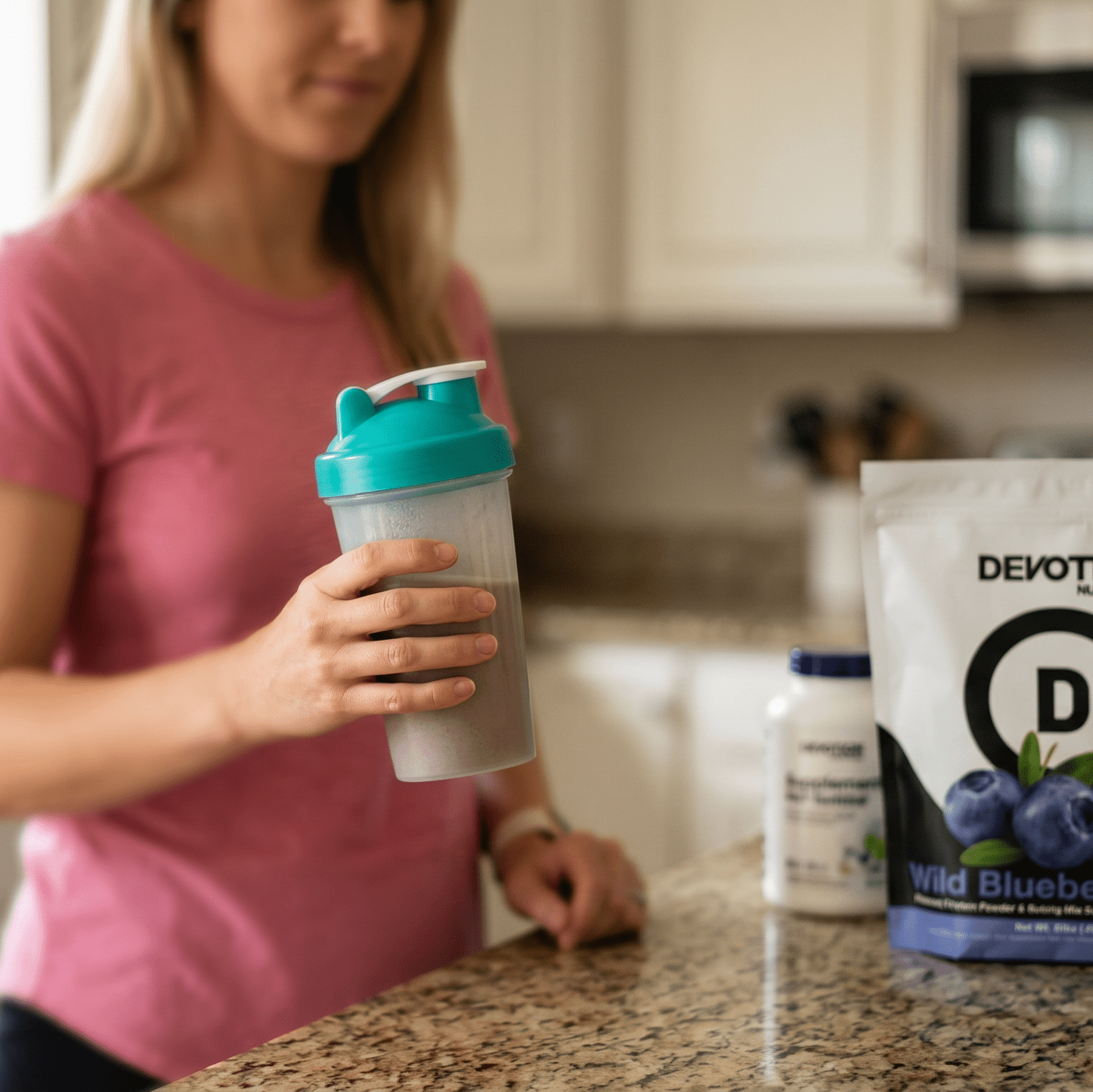
Devotion Nutrition’s protein mixes well in cold water or unsweetened almond milk as well as a warm cup of coffee or water and all will produce a smooth result.
Flavor That Holds Up Over Time
Taste fatigue is another common reasons post bariatric patients will fall short on their protein goals, and it almost never gets talked about. The flavor someone loved in week one can genuinely become hard to stomach another. It happens more than you would think.
What helps is having options to rotate through, choosing flavors that taste amazing rahter than chemically sweet or overpowering, and finding a protein that actually works in recipes so it does not feel like a supplement every single time.
Devotion was built with this exact problem in mind. The flavors are designed to taste like real food. The Angel Food Cake flavor is light, mildly sweet, and versatile enough to use in everything from shakes to baked recipes. That kind of usability is a real advantage when someone is months post op and dreading their next shake.

What to Avoid in a Bariatric Protein Powder
Not all protein powders are a good fit. Some ingredients that are fine for the general population can cause real problems for bariatric patients. Here is what to watch out for:
-
High sugar content, which can trigger dumping syndrome especially in gastric bypass patients
- Soy as the primary protein source, which can interfere with thyroid function and is a frequent allergen
- Added fats or heavy creamers that slow digestion and can cause discomfort with a smaller stomach capacity
Best Ways to Use Protein Powder Post Op
Weeks 1 to 4: Liquid and Puree Stage
Thin shakes mixed with water or unsweetened almond milk are the move at this stage. Keep it simple, aim for 20 to 25g per serving, and sip slowly over 30 to 45 minutes. The goal during this phase is tolerance and consistency, not volume.
Month 2 and Beyond: Build in Variety
Once cleared for soft foods, incorporating protein powder into recipes is one of the most effective ways to fight flavor fatigue and make hitting daily goals feel sustainable rather than like a chore.
Easy options that work well post op include stirring protein powder into Greek yogurt for a thick and filling snack, mixing into oatmeal or overnight oats, baking into protein mug cakes or mini loaves for a way to hit protein goals without another shake, and blending into a smoothie with fruit and almond milk.
Devotion Nutrition protein powder is designed to not only mix smooth in water but most importantly bake just as well. This is what sets us apart and makes it one of the most practical options for bariatric patients who are ready to move beyond shakes. [

How Much Protein Do You Actually Need After Surgery
Most bariatric programs recommend between 60 and 80 grams of protein per day, however aiming to get in about 100g daily will really speed healing as well as keeping energy levels at their best. Your physician will provide a specific target, but protein powder is one of the most reliable tools for closing the gap when food intake alone is not enough. You also don’t want to neglect fiber, healthy fats and carb sources like fruit, starchy carbs and vegetables.
One serving of Devotion's protein powder with 20g of protein can be the difference between falling short and hitting the daily goal. That is a meaningful contribution in a format that works with the limitations of early post op life.
The Bottom Line
The best protein powder for bariatric patients is the one that actually gets used every day. That comes down to taste, texture, digestibility, and real world usability, not just the numbers on the label.
Whey isolate is the top recommendation for most post op patients because of how efficiently the body absorbs it and how well it sits in a sensitive stomach. Devotion Nutrition formulas were built around both performance and flavor because hitting a 20g protein goal should not feel like a punishment. It should be something you can look forward to.
Protein goals after bariatric surgery are never negotiable. They are the foundation of a healthy recovery, muscle preservation, and long term results. The right powder makes hitting those goals something that works in real life.
Frequently Asked Question
When can you start using protein powder after bariatric surgery?
Most bariatric programs allow protein shakes as early as the first week post op during the liquid phase. Thin, lightly flavored protein mixed with water is typically well tolerated at this stage. Following your physician’s specific guidelines is always the priority, but protein powder is generally one of the first tools used after surgery to help patients meet daily protein targets while appetite and stomach capacity are still so limited.