

July 13, 2026
Creatine for Menopause: Why More Women Are Adding This Daily Supplement to Their Wellness Routine
Menopause brings plenty of changes, but one of the most overlooked is the gradual loss of muscle, decline of cognitive function (that brain fog) and more. Many women begin noticing that they are not as strong as they used to be, workouts feel more challenging, recovery takes longer, and maintaining a healthy body becomes more difficult. While these changes are common, they don't have t be a part of getting older that you have to accept.
The years leading up to and following menopause are the perfect time to focus on preserving muscle, supporting bone health, and building habits that promote healthy aging. Strength training, adequate protein intake, fiber, quality sleep, and evidence based supplements all play a role.
One supplement that continues to gain attention is creatine. I wanted to break down what the research says about creatine for menopause, including how it supports muscle, strength, bone health, and healthy aging.
Although creatine has always been associated with athletes and bodybuilders, research has shown that its benefits extend far beyond the gym. When paired with resistance training, creatine helps support muscle strength, performance, lean muscle mass, and daily function, making it an excellent addition to many women's wellness routines during perimenopause and menopause and throughout life no matter what age you are.
What Happens During Menopause?
Menopause is a natural stage of life marked by declining estrogen levels. While symptoms like hot flashes, sleep disturbances, and mood changes often receive the most attention, hormonal changes also affect muscle, bone, and metabolism.
Beginning as early as your 40s, women naturally start losing lean muscle mass. This process can accelerate during menopause, making it more difficult to build and maintain muscle without intentionally prioritizing resistance training and adequate protein intake.
Muscle is about much more than appearance. Healthy muscle supports balance, mobility, posture, blood sugar management, metabolic health, and the ability to remain independent as you age.
Research has consistently shown that maintaining muscle through exercise and nutrition is one of the most effective strategies for supporting healthy aging.
Why Protein Becomes More Important After 40
As we age, our muscles become less responsive to smaller amounts of protein. This means getting enough high quality protein throughout the day becomes much more important for supporting muscle maintenance and recovery.
Instead of saving most of your protein for dinner, aim to include a quality protein source at every meal and snack.
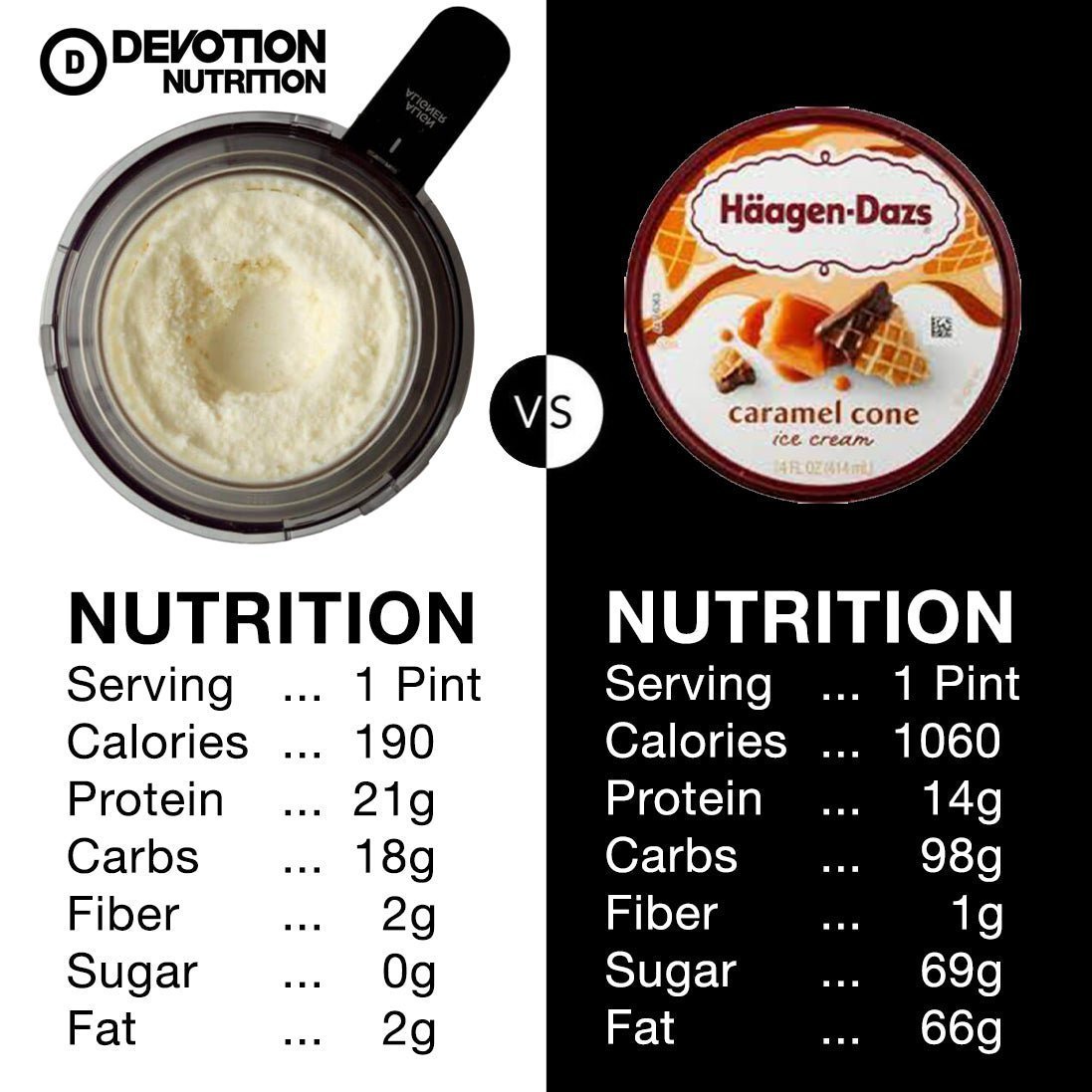
That is where Devotion Nutrition Protein can make daily nutrition easier.
Each serving provides 20 grams of complete protein from whey isolate and micellar casein, delivering a smooth texture that is ideal for more than shakes. Because it was specifically designed for baking and cooking, it is easy to add protein to pancakes, waffles, muffins, overnight oats, smoothies, protein pudding, breads, desserts, and dozens of other everyday recipes.
Consistently meeting your protein needs helps provide the building blocks your muscles need while supporting satiety and overall wellness.

What Is Creatine?
Creatine is a naturally occurring compound made from three amino acids and stored primarily in muscle. Your body produces some creatine on its own, and small amounts are found naturally in foods like beef, poultry, pork, and fish.
Its primary role is to help regenerate ATP, the body's quick source of energy for short bursts of activity. Whether you are lifting weights, climbing stairs, carrying groceries, or getting up from the floor, your muscles rely on ATP to perform those movements.
Supplementing with creatine helps increase your body's creatine stores, allowing your muscles to produce energy more efficiently during any activity.
Among all forms of creatine available today, creatine monohydrate remains the most researched and is considered the gold standard for effectiveness and safety.
Source: National Institutes of Health, Office of Dietary Supplements, Creatine Fact Sheet
Why Creatine Matters During Menopause
One of the biggest goals during menopause is not simply maintaining your weight. It is preserving muscle.
When paired with regular resistance training, creatine has been shown to support improvements in muscle strength and lean muscle mass, making it especially valuable during a stage of life when both naturally begin to decline.
Creatine does not replace strength training or proper nutrition. Instead, it works with those healthy habits by helping your muscles perform more work during exercise, which may lead to greater improvements over time.
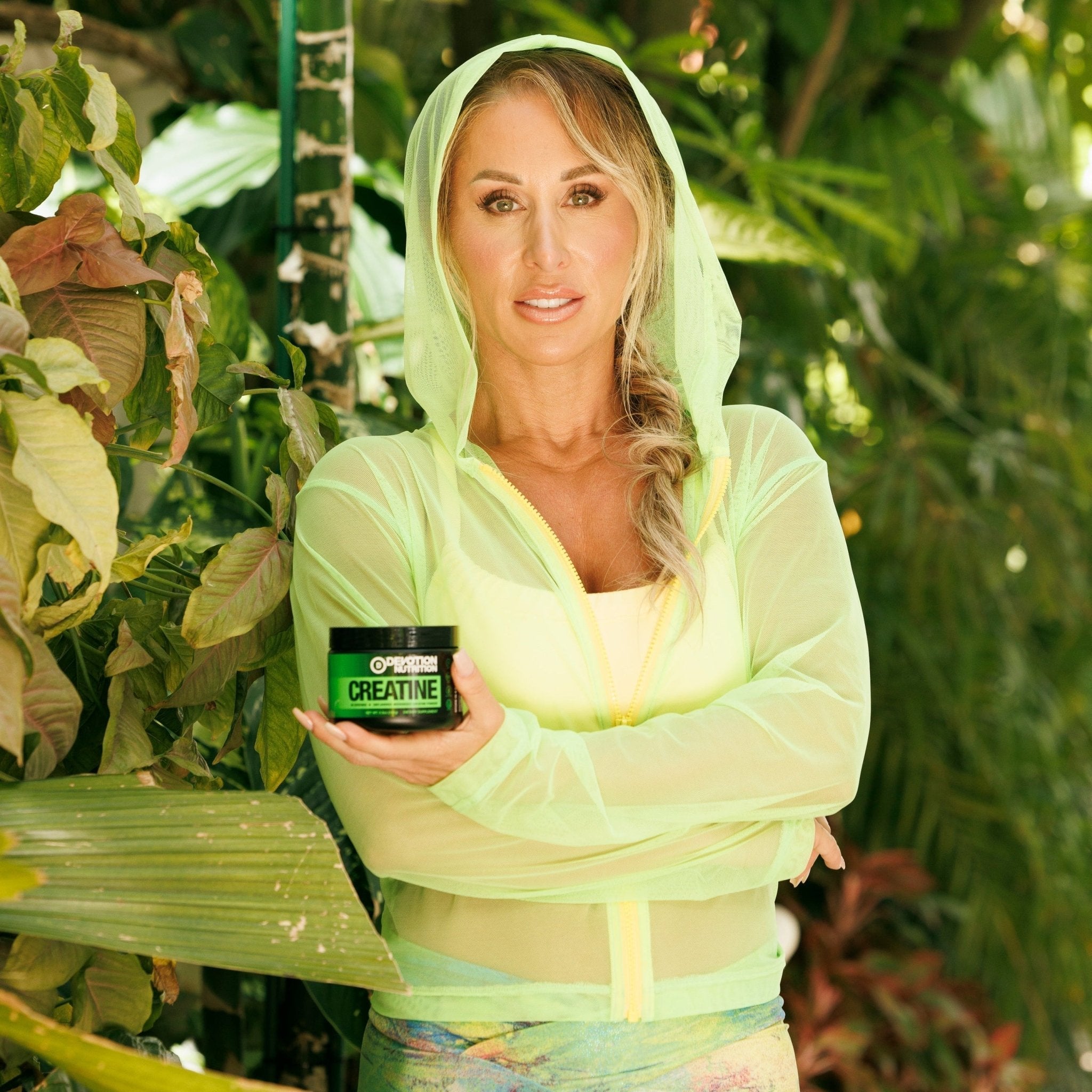
At Devotion our Wellness line includes our Creatine Monohydrate. It contains one simple ingredient with no fillers, flavors, or additives. It is easy to mix into water, smoothies, or your favorite high protein recipe, making it simple to build into a consistent daily routine.
The greatest benefits do not come from taking creatine occasionally, it must be taken DAILY and they come from pairing it with regular movement, strength training, adequate protein, and healthy lifestyle habits that support long term health.

Benefits of Creatine During Menopause
Creatine has been one of the most researched supplements for decades, yet many women are surprised to learn that it may offer benefits well beyond athletic performance. During menopause, maintaining muscle, strength, cognitive and physical function becomes increasingly important, and creatine can help support those goals when combined with regular resistance training and adequate protein intake.
Supports Lean Muscle Mass
One of the most significant changes women experience during menopause is the gradual loss of lean muscle. This decline can make everyday activities feel more challenging while also affecting metabolism and overall physical function.
Research suggests that combining creatine supplementation with resistance training can lead to greater improvements in lean muscle mass than resistance training alone. Rather than replacing exercise, creatine helps maximize the adaptations your body makes from consistent strength training.
Source: International Society of Sports Nutrition Position Stand on Creatine Supplementation
Helps Improve Strength
Strength is one of the strongest predictors of healthy aging.
Whether you are lifting weights, carrying groceries, traveling, or simply keeping up with your family, maintaining strength supports independence and quality of life.
Creatine helps replenish your muscles' immediate energy source, allowing you to perform more work during short bursts of activity. Over time, that can translate into greater improvements in strength and exercise performance when paired with a structured training program.
Supports Exercise Recovery
Recovery often changes during perimenopause and menopause. While quality sleep, nutrition, hydration, and training all play important roles, creatine helps support recovery between resistance training sessions, allowing you to maintain a more consistent routine.
Consistency is ultimately what drives long term results.
Supports Bone Health
As estrogen declines, bone health becomes an important focus for women entering menopause.
While creatine should never be viewed as a treatment for osteoporosis, research continues to explore its role alongside resistance training for supporting musculoskeletal health. Stronger muscles place healthy stress on bones during exercise, which is one reason strength training remains one of the best investments you can make for healthy aging.
Source: PubMed, Creatine Supplementation and Bone Health
Bone health also depends on several other lifestyle factors, including adequate protein intake, regular weight bearing exercise, and maintaining healthy vitamin D levels. Devotion Wellness Vitamin D3 plus K2 can be a simple addition to an overall wellness routine for those looking to support bone health.

Supports Cognitive Health
The brain requires a tremendous amount of energy to function efficiently, and creatine helps produce cellular energy throughout the body.
Researchers continue to study creatine's potential role in supporting memory, cognitive function, and mental fatigue, particularly as we age. While additional research specifically involving menopausal women is still needed, early findings are encouraging.
Source: MDPI Nutrients, Creatine Supplementation and Healthy Aging Review
Does Creatine Cause Fat Gain & Bloating?
One of the biggest myths surrounding creatine is that it causes bloating.
In reality, research has shown that the recommended daily intake of creatine monohydrate does not typically cause the uncomfortable bloating many women fear.
Creatine works by drawing water into muscle cells, not beneath the skin. This intracellular hydration supports muscle function and is very different from feeling puffy or retaining excess body fat.
Many women find that once they begin taking creatine consistently, they experience no noticeable bloating at all. Another reason this should be taken DAILY, not just on workout days.
How to Get the Most from Creatine
Creatine works best when it is part of a consistent routine rather than something you take only on workout days.
For the best results:
- Consume adequate protein throughout the day
- Strength train at least two to three times per week
- Stay well hydrated
- Aim for seven to nine hours of quality sleep
- Take creatine consistently every day
Devotion Wellness' Creatine Monohydrate contains one simple ingredient with no fillers or proprietary blends, making it easy to mix into water, smoothies, coffee, or your favorite high protein recipes. Pairing it with Devotion Nutrition Protein creates a simple daily routine that helps support muscle maintenance, strength, recovery, and healthy aging.
While creatine is one of the most well researched supplements available, it is important to remember that supplements work best when they complement a balanced diet and healthy lifestyle rather than replace them.
Frequently Asked Questions About Creatine and Menopause
Should women take creatine during menopause?
Many women can benefit from adding creatine monohydrate to their wellness routine during perimenopause and menopause, particularly if they are strength training or looking to support healthy muscle aging. Research suggests creatine may help support muscle strength, lean muscle mass, exercise performance, and physical function when combined with resistance training.
What is the best type of creatine?
Creatine monohydrate remains the most researched and widely recommended form of creatine. Despite the marketing surrounding other forms, current evidence has not demonstrated that they provide greater benefits than creatine monohydrate.
Devotion Wellness Creatine Monohydrate contains one simple ingredient with no fillers, artificial colors, or unnecessary additives, making it an easy addition to your daily wellness routine.
How much creatine should women take?
For most healthy adults, research supports taking at least 5 grams of creatine monohydrate daily to help maintain elevated muscle creatine stores. No loading phase is necessary to experience the long term benefits of creatine. Consistency is far more important than taking large amounts in the beginning.
When is the best time to take creatine?
The best time to take creatine is simply the time you will remember to take it every day. Some people prefer taking it with breakfast, while others add it to a post workout shake or smoothie. Building it into an existing daily habit makes consistency easier.
Can you take creatine with protein?
Yes. Creatine and protein serve different purposes and work well together.
Protein provides the amino acids needed to build and repair muscle, while creatine helps support the energy your muscles use during high intensity activity. Together, they create a simple foundation for supporting strength, recovery, and healthy aging.
One easy routine is pairing Devotion Wellness Creatine Monohydrate with a serving of Devotion Nutrition Protein after a workout or incorporating both into one of our high protein recipes.
Does creatine cause weight gain?
Some people notice a slight increase in body weight after starting creatine due to increased water stored within muscle cells. This is different from body fat and is considered a normal physiological response. For many people, the change is minimal or not noticeable at all.
Is creatine safe to take every day?
Creatine monohydrate is one of the most extensively studied dietary supplements available. Research has consistently supported its safety for healthy individuals when used as directed. If you have kidney disease, are pregnant or breastfeeding, or have another underlying medical condition, consult your healthcare provider before starting any new supplement.
Supporting Healthy Aging Starts with Daily Habits
Menopause does not mean giving up on feeling strong, energetic, or confident. In many ways, it is an opportunity to focus on the habits that have the greatest impact on long term health.
Resistance training, adequate protein, quality sleep, daily movement, hydration, and evidence based supplementation all work together to support healthy aging.
While no supplement can replace those fundamentals, creatine monohydrate has earned its place as one of the most researched and trusted tools for supporting muscle strength, lean muscle, and exercise performance. When combined with a balanced lifestyle, it can help women continue doing the activities they love with strength and confidence for years to come.
At Devotion Nutrition, our goal is to make healthy living simple, sustainable, and enjoyable. Whether you are baking with our functional protein, supporting your hydration with HydroFLEX, or adding Devotion Wellness Creatine Monohydrate to your daily routine, every product is designed to complement the healthy habits that matter most.
Additional Research
Source: Creatine Supplementation in Women Throughout the Lifespan