



Resource
Blog
Filter by Category
The holidays are supposed to feel warm and meaningful, but for many people, they become a source of stress. You walk into a room full of foods you don't usually keep at home, and suddenly you're calculating, negotiating, and worrying about every bite. You're convinced that one day will undo everything.
Here's the truth: You will not remember the calories. You will not remember the macros. You will remember the conversations, the laughter, and how it felt to be present with the people you care about.
Let's make this easier and MORE about the holiday itself.
Start Your Day with Breakfast
Showing up to holiday meals starving sets you up for stress and overeating. Skipping breakfast to “save calories” often backfires—your body is running on empty, your blood sugar dips, and your ability to make mindful choices diminishes. This can turn a joyful gathering into a struggle with cravings and guilt.
Instead, start the day with a real, balanced breakfast that fuels your energy and keeps you satisfied. Here are some great options:
Greek yogurt with fresh fruit and granola – provides a perfect mix of protein, fiber, and healthy fats.
Eggs with vegetables and toast – offer lasting energy and essential nutrients.
Devotion Protein mini loaf – a convenient, protein-packed option for mornings on the go.
Smoothies with fruit, milk or plant-based milk, and Devotion protein powder – a quick, filling, and nutritious solution.
Eating a nourishing breakfast not only prevents mindless snacking later but also supports focus, mood, and the ability to engage fully in holiday conversations. Preparing breakfast the night before, like overnight oats with Devotion protein, or keeping grab-and-go options on hand, makes it easy to start your day right. Beginning the holiday fully nourished helps you show up present, enjoy the moments with loved ones, and focus on what truly matters.
Bring Something You Actually Like
Holiday spreads can feel overwhelming. With endless tables of dishes, desserts, and snacks, it’s easy to feel anxious or unsure what to eat. Here’s a strategy that works: if someone asks you to bring a specific dish, make it the way they want—and make sure you love it, too. You don’t need to “health-ify” every recipe with swaps or substitutions unless that’s something you genuinely enjoy. The holidays are about joy, not stress over ingredients.
Then, bring something just for yourself, a dish or snack you know you’ll genuinely enjoy. This could be a savory option, a sweet treat, or even a balanced mix of both. For example:
A raw veggie and fruit tray paired with a Greek yogurt ranch dip or Devotion protein dip
Mini desserts made with your favorite recipes or Devotion protein powders
A signature dish you love and that gives you comfort, like peas and pancetta or a savory casserole.
Having this personal go-to option does more than satisfy cravings; it reduces anxiety and gives you a sense of control without obsessing over other foods. When you know you have something you love, you can relax and enjoy the different dishes without feeling stressed or deprived.
Let Go of the One-Meal Fear
It’s easy to get caught up in the worry that one meal will undo all your progress, especially during the holidays. But here’s a crucial question to ask yourself before spiraling: Am I sucking the joy out of this celebration and missing out on connecting with the people around me?
Rigid rules, strict tracking, or obsessing over every bite can drain the fun from your meals and leave you feeling anxious instead of joyful. The holidays are a rare chance to slow down, savor the moment, and create lasting memories—not stress over macros or calories.
Here’s how to practice letting go of the “one-meal fear”:
Shift your focus: Instead of zeroing in on one indulgent meal, focus on presence, conversation, and laughter. These are the moments you’ll actually remember.
Give yourself permission: Remind yourself that one meal doesn’t define your progress or worth. Enjoying a treat is not a setback; it’s part of a balanced life.
Mindful indulgence: Eat slowly, savor flavors, and notice how the food makes you feel. Allow yourself to enjoy everything without guilt.
Plan if it helps: Have a satisfying breakfast, pack a small favorite snack like a Devotion protein mini loaf, or keep water nearby. Small steps like this give you confidence and reduce anxiety without restricting joy.
Celebrate flexibility: Use this as an opportunity to practice balance and moderation. Holidays are a chance to experiment with enjoying food without rigid rules, and you might find you feel freer and happier than ever.
When you let go of the fear that one meal will “ruin everything,” you permit yourself to enjoy the experience truly. You can laugh more, participate fully, and focus on what matters most: connection, joy, and creating memories that last far longer than any number on a nutrition label.
Remember What Actually Matters
It’s easy to get caught up in counting calories, worrying about macros, or fearing that one indulgent meal will derail your progress. But here’s the reality: one meal has never ruined anyone, and one day won’t undo your hard work.
What truly matters is whether you showed up present, engaged, and connected with the people around you. The holidays are about memories, not metrics—moments of laughter, heartfelt conversations, and shared joy.
Think about it: years from now, you won’t remember the calories you counted at that holiday dinner. You will remember:
The inside joke was shared with a cousin across the table.
A child’s excited reaction to opening a gift
The warmth of a friend or family member’s hug
The sound of everyone singing or laughing together
And while you focus on these moments, there’s no harm in adding a little support from products you love, like Devotion Nutrition. They’re a simple way to enjoy something delicious and satisfying without guilt, giving you one more reason to relax and savor the meal.
The holidays aren’t a test of willpower; they’re an invitation to live fully, without anxiety or guilt. This is your chance to enjoy traditions, savor flavors, and experience the simple, joyful moments that make life meaningful. This holiday, you can want to count the memories, not the calories.
FAQs
What does “mindful holiday eating” mean, and how can it help me enjoy the season?
“Mindful holiday eating” means paying attention to your hunger, savoring each bite, and enjoying the moment. It helps reduce overeating, eases guilt, and lets you thoroughly enjoy food and connection.
Is it okay to eat holiday favorites and comfort foods without guilt?
Yes! Health and psychology experts widely recommend enjoying holiday favorites and comfort foods without guilt, as long as they fit within a balanced approach to overall eating and wellness.
Should I skip meals earlier in the day to “save calories” for a big holiday dinner?
No! You shouldn’t skip meals to “save calories” for a holiday feast, as this often leads to overeating. Instead, eat balanced meals and snacks throughout the day to keep hunger and blood sugar stable, helping you enjoy the main meal mindfully and with better control.
How can I avoid holiday food guilt and maintain a healthy mindset around food?
You can avoid holiday food guilt by focusing on balance, moderation, and presence. Enjoy your favorite foods without labeling them as “good” or “bad,” eat mindfully, and listen to your body’s hunger and fullness cues. Prioritize connection, laughter, and experiences over calories, and remember that one meal or indulgence won’t undo your progress.
Will one indulgent holiday meal ruin my progress or health?
No, one indulgent holiday meal will not ruin your progress or health. Your overall well-being is shaped by consistent habits over time, not by a single meal, so enjoy it mindfully without guilt.
How to do mindful eating?
To practice mindful eating, follow these mindful eating tips: remove distractions, eat slowly, and fully notice the colors, smells, textures, and flavors of your food. Pay attention to your hunger and fullness cues, chew thoroughly, and take a moment to reflect on the meal afterward. You can practice mindful eating during the holidays.
How to eat healthy during the holidays?
To stay healthy during the holidays, practice mindful eating by controlling portions, filling half your plate with vegetables, eating regular meals and protein/fiber snacks, enjoying treats mindfully, drinking plenty of water, and including short bursts of activity.
What are the benefits of mindful eating?
Mindful eating offers numerous benefits, including better digestion, healthier weight management, and a more positive connection with food. Tuning into hunger and fullness cues can help curb overeating and emotional eating while increasing meal satisfaction and enjoyment. It also supports stress reduction and overall mental well-being.
How do I avoid holiday stress around food?
Reduce holiday food stress by eating mindfully, staying active and hydrated, and planning with healthy snacks. Practice self-care, set boundaries, seek support if needed, and allow yourself to indulge without guilt.
What does “Count the Memories, Not the Calories” mean?
The phrase 'Count the Memories, Not the Calories' encourages focusing on experiences and enjoyment rather than obsessively tracking food or weight. It’s about savoring special moments, like sharing meals with loved ones, instead of getting caught up in every nutritional detail.
Count the Memories, Not the Calories This Holiday
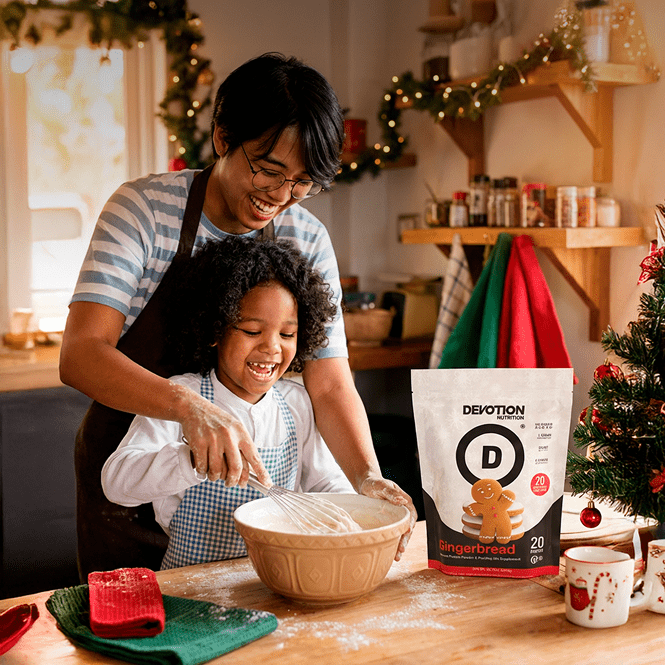
Count the Memories, Not the Calories This Holiday
November 25, 2025
Is Carrageenan Safe? Here's What You Should Know
What Is Carrageenan?
Carrageenan is a natural ingredient that comes from red seaweed. It's been used safely in foods for decades and has gotten the green light from health authorities like the FDA, the European Food Safety Authority, and the World Health Organization. These aren't organizations that take food safety lightly.
Where Do the Carrageenan Concerns Come From?
Most of it stems from old animal studies that used something called degraded carrageenan, which is a completely different substance that's not even approved for use in food. The carrageenan we use in Devotion is food grade, which means it's safe, it doesn't get absorbed by your body, and it simply passes through your digestive system. We use it because it gives our protein powder that smooth, creamy texture you love, without any weird chalky aftertaste.
Is Carrageenan Bad for You?
The bottom line is this: there's no credible human research showing that food grade carrageenan causes harm or inflammation. The amount we use is tiny, just enough to improve texture, and it's far below any level that could possibly affect your health.
I also want you to know that we don't take shortcuts when it comes to quality. Every batch of Devotion is third party tested for safety and accuracy. We test for heavy metals like arsenic, lead, mercury, and cadmium, and our results are always well within safe limits (at or below 0.05 ppm). Yes, trace amounts of things like lead can naturally show up in soil and water, even in organic produce, but we make sure our products stay far below any safety threshold.
At the end of the day, I use these products myself. My family uses them. We wouldn't put anything out there that we wouldn't feel 100% confident giving to the people we love. That's what we hold ourselves to, and it's why you can trust what's in every scoop of our delicious protein.
Frequently Asked Questions We Get About Carrageenan
Is carrageenan safe to consume daily?Yes. Food grade carrageenan has been approved for daily consumption by the FDA, WHO, and European Food Safety Authority. It passes through your digestive system without being absorbed.
What's the difference between food grade carrageenan and degraded carrageenan?Food grade carrageenan is what's used in foods and supplements, it's safe and regulated. Degraded carrageenan is a different substance not approved for food use and is what was used in some animal studies that raised concerns.
Does carrageenan cause inflammation?Human studies have not shown that food grade carrageenan causes inflammation. The concerns come from animal studies using degraded carrageenan at doses far higher than what's found in food.
How much carrageenan is in Devotion protein powder?We use a very small amount, just enough to create a smooth texture. It's far below any level that could have a biological effect on your health.
Are Devotion products tested for safety?Yes. All Devotion products are third party tested for safety, quality, label accuracy, and heavy metals. Our results consistently meet or exceed safety standards
When you choose Devotion, you're choosing a company that values your health as much as you do.
If you’d like to read more from the EFSA food additive research data please click here: https://efsa.onlinelibrary.wiley.com/doi/full/10.2903/j.efsa.2023.7860
Is Carrageenan Safe?

Is Carrageenan Safe?
November 14, 2025
Protein powders have become a staple in health-conscious households, frequently used in smoothies, shakes, and various recipes.
But have you ever considered incorporating protein powder into your baking? Adding Devotion Nutrition protein powder to your baked goods not only boosts their nutritional value but also enhances the flavor of your treats, making them more tasty and satisfying.
The real challenge, though, is navigating the vast selection of protein powders available. Choosing the best protein powder for baking can seem daunting.
If you’ve ever tried baking with protein powder, you might have noticed that not all protein powders bake the same way. Protein powders can vary significantly when it comes to baking, depending on how each one is processed.
So, what’s the best protein for baking? We think it's absolutely Devotion Nutrition protein powder, and in this article we're going to tell you exactly why we feel this way.
What are the Different Types of Protein Powder?
Protein powders come in several forms, mainly whey, casein, and whey/casein blends, each with unique digestion rates and benefits.
Whey Protein: Whey protein is derived from milk during the cheese-making process, and it has become a popular choice among many individuals. It is available in different forms, including whey protein isolate. Known for its excellent amino acid profile and high biological value, whey protein is a wonderful option for supporting muscle recovery and promoting growth.
Casein Protein: Casein protein, which is also sourced from milk, digests more slowly than whey protein. This slower digestion provides a steady release of amino acids over time, making casein an excellent choice for recipes that require a consistent supply of protein and lasting energy.
Whey/Casein Blends: Whey-casein blends combine fast-digesting whey with slow-digesting casein, providing both quick and sustained amino acid release. Typically sold as milk protein isolate or milk protein concentrate, these blends add a pleasant texture and moisture to baked goods. Milk protein isolate contains a higher percentage of pure protein and less fat or lactose than concentrate. Devotion Nutrition utilizes only premium whey isolate and micellar casein blends, which are superior to concentrate-based formulas, for a cleaner, higher-quality result.
Things to Consider Before Picking a Protein Powder for Baking
When you’re picking the best protein powder for baking, there are a few things to keep in mind:
Flavor: The flavor of your protein powder can significantly alter the taste of your baked treats! You’ll find that some protein powders are available in neutral or unflavored varieties, while others come in delicious flavors like chocolate, vanilla, or even some fun and unique options, such as brownie batter and salted caramel. Consider the flavor profile that will really enhance your recipe.
Texture: You know, the texture of protein powders can change things up, and that can affect how your baked goods’ texture turns out in the end. Whey protein, for example, can provide a more tender texture. It’s interesting how that works, isn’t it?
Nutritional Content: Review the nutritional label on the protein powder to ensure it aligns with your dietary goals. Check out the protein content for each serving, along with the amounts of carbohydrates, fat, and fiber.
Ingredients: Choose protein powders that have few additives and ingredients. Try to steer clear of choices that have too many artificial sweeteners, sugar, and fillers.
Baking Temperature: Be sure to consider the temperature specified in your recipe. Did you know that some protein powders can denature or break down when exposed to high temperatures? This can affect the texture and flavor of your baked treats.
What are the Best Protein Powders for Baking?
Whey isolate, casein, and whey/casein blends are the best protein powders for baking, as they offer a light texture, moisture, and a balanced structure.
1. Whey Protein Isolate
Whey protein isolate is a highly refined dairy protein that has a clean, base flavor and excellent mixability. When it’s in the oven, it acts all “light and lean”: it mixes in nicely with the batter but doesn’t add much starch or fat. When combined with moisture and the right flavor profile, you’ll enjoy a nice lift and a delightful crumb. That’s why flavored whey isolates, such as caramel, chocolate, and cinnamon, are perfect for baking treats that truly taste like dessert.
How to use Whey Protein Isolate in baking?
Start small: Try swapping 25% of the flour with Devotion Nutrition protein powder.
Add moisture: Add 2 to 4 tablespoons of milk, yogurt, unsweetened applesauce, or canned pumpkin for each cup of flour you replace.
Keep tenderness: Try adding 1-2 tablespoons of butter or oil, or even an extra egg yolk, to your cookies and cakes for a little extra goodness.
Let it hydrate: Let the batter sit for about 5 to 10 minutes, allowing the proteins to absorb the liquid.
Balance sweetness & flavor: Flavored isolates already add a nice touch of sweetness and aroma, so you can cut back on added sugar slightly and choose a flavor that complements your recipe (such as Angel Food Cake Flavor Protein Powder for cakes, Brownie Batter Protein Powder for brownies, or Sinful Cinnamon Flavor Protein Powder for muffins).
Best applications
Unbaked and lightly baked desserts: Ice creams, puddings, mousse, no-bake cheesecakes, and whipped fillings, especially if your isolate foams nicely in shakes (perfect for that volume and light, airy texture).
Quick bakes with moisture support: Pancakes, waffles, brownies, and snack cakes. How about pairing chocolate isolate with cocoa? You can use vanilla or chocolate for cookies and cupcakes, and blueberry works great for berry muffins.
Pro Tips When Baking with Whey Protein Isolate
If a batch is too dry, add more liquid first; if it remains stiff, add a spoon of fat or replace some of the isolate with a whey/casein blend for extra softness.
Isolates often brown less (lower lactose) than whey concentrate. For added color and flavor depth, try adding a pinch of baking soda or a small amount of honey or maple syrup to encourage Maillard browning.
2. Casein Protein Powder
Casein is slow to digest and very hydrophilic, meaning it absorbs water and thickens mixtures. That makes it one of the best protein powders for baking, ideal for puddings, frostings, fillings, and cheesecakes, where a smooth texture is desired. In straight baking, use it lightly or combine it with whey to retain moisture without forming a thick crumb.
Practical use
For baked items, limit direct flour replacement to 5-10% or combine it with whey (see next part).
When casein is present, always add more liquid; it behaves somewhat like coconut flour in terms of the amount of water it can hold.
3. Whey-Casein Blends
A whey/casein blend, often sold as milk protein isolate/concentrate, typically consists of ~80% whey isolate / 20% micellar casein. offers the best of both worlds: whey’s lightness and casein’s moisture retention. In practice, this is the most similar protein swap to flour-like performance for home baking.
Why Devotion Nutrition Whey-Casein Blends Are Best for Baking?
Balanced texture: Whey keeps the crumb from becoming dense, while casein keeps it soft and prevents dryness.
Even structure: Supports rising and reducing collapsed centers in muffins, snack cakes, and quick breads.
Heat-friendly: Withstands typical baking temperatures without becoming rubbery.
How To Use Whey/Casein Blends in Baking?
Starting Point: Replace 15-25% of the flour with Devotion Nutrition protein powder.
Hydration: For each cup of flour replaced, add 2-4 tablespoons of unsweetened applesauce or canned pumpkin; allow batter to rest for 5-10 minutes.
Leavening tweak: If replacing more than 20% of the flour, add +⅛ teaspoon baking powder per cup of dry ingredients for lift.
Fat for tenderness: 1-2 tablespoons butter/oil (or Greek yogurt/mashed banana) keeps the crumb moist.
Best applications
Muffins & quick breads: The inside is moist with few dry edges.
Cakes & cupcakes: Softer crumb than whey alone; ideal for classic vanilla or spice cakes.
Cookies & bars: Good cohesiveness without chalkiness; add one extra yolk for chewy cookies.
No-bake recipes: Protein balls, truffles, and chocolate frostings—casein gives body; whey keeps it light.
How to Bake with Protein Powder: Tips and Tricks
No Experiment Needed: With Devotion Nutrition protein powder, you don’t have to guess or test different options. It’s perfectly formulated for baking, just measure, mix, and enjoy delicious, protein-packed results every time. Depending on your recipe, you can start with smaller quantities and adjust to achieve your perfect texture or flavor.
Moisture Balance: Protein powders absorb moisture; therefore, increase the liquid amount in your recipes slightly to avoid dryness.
Flavor enhancements: Depending on the type of protein powder you select, you may need to enhance its flavor using natural sweeteners, extracts, or spices.
Mixing Techniques: When using protein powder in baking, combine it with the dry components before adding the wet ingredients. This helps to spread the protein powder evenly throughout the batter.
Rest the Batter: Allow the batter to sit for 5-15 minutes before baking to hydrate the proteins, resulting in a smoother, less chalky crumb and a more consistent rise.
No Guesswork: The Best Protein Powder for Baking
If you want to start baking with a safe and high-quality option, consider using Devotion Protein’s whey-casein blend. This blend is available in various flavors to suit all your baking needs. Devotion’s formula consists of whey isolate and micellar casein in an 80/20 ratio, providing approximately 20 grams of protein per scoop with no added sugar. It mixes smoothly into batters and helps retain moisture while baking, making it perfect for cookies, muffins, snack cakes, and cheesecakes.
Visit the Devotion Nutrition website today to browse the options and select your favorite for baking.
Final Thoughts
When it comes to baking, not all protein powders perform the same, and that’s where Devotion Nutrition stands out. With its smooth texture, delicious flavor, and heat-stable formula, Devotion protein powder is perfectly crafted for baking. It delivers consistent results every time, so you can skip the guesswork and enjoy treats that taste amazing and bake beautifully.
With the best kind of protein powder, you can create a variety of delicious, wholesome treats that satisfy your cravings and support your nutritional goals—wishing you joyful baking adventures!
Frequently Asked Questions
What protein powder is best for baking?
The best protein powders for baking are whey isolate, casein, or a whey-casein blend. They give you light texture, moisture, and balanced results.
Can you bake with protein powder?
Absolutely. You can swap part of the flour with protein powder to boost nutrition. Just add a little extra liquid and fat to avoid dryness.
Does baking protein powder denature it?
Yes, heat can denature protein powder, but that doesn’t make it useless. It still keeps its protein content and works well in recipes.
Can you add protein powder to a muffin recipe?
Yes, you can. Replace about 10–20% of the flour with protein powder and adjust liquids to keep the muffins soft and moist.
Can I use regular protein powder for baking?
Yes, but results vary. Whey isolate, casein, or blends tend to hold up best in baking, while some plant proteins may require more liquid or fat.
How much protein powder to use in baking?
Start by replacing 10–25% of the flour with protein powder. If you go higher, add extra liquid and a bit of fat for balance.
Choosing the Best Protein Powder for Baking
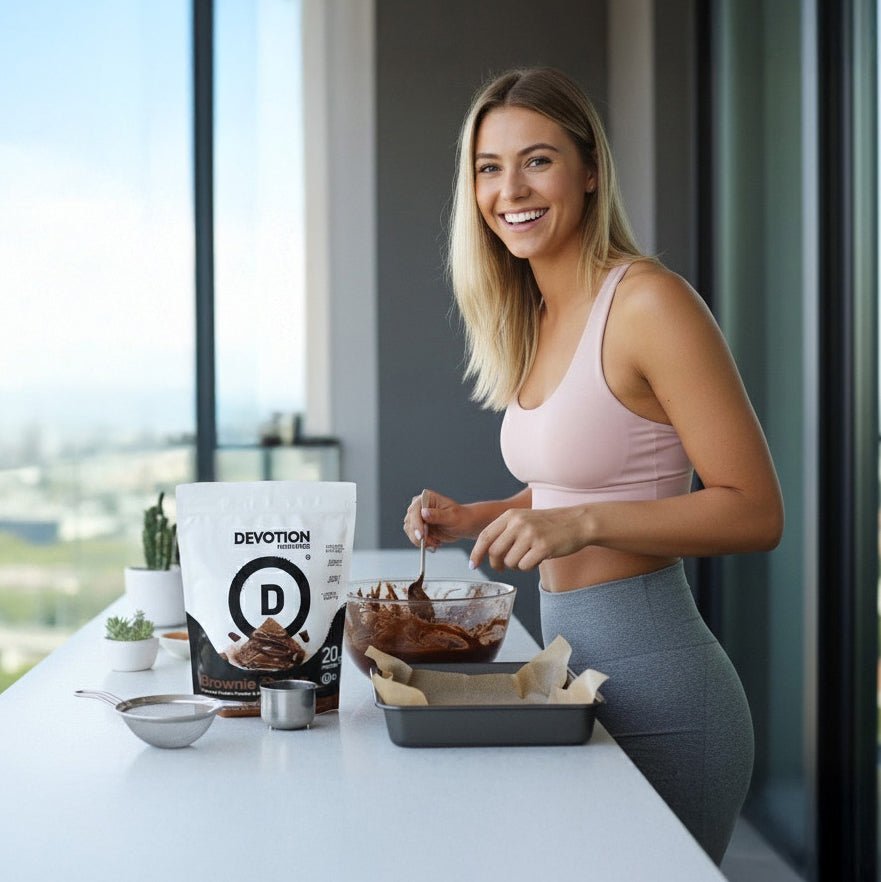
Choosing the Best Protein Powder for Baking
November 12, 2025
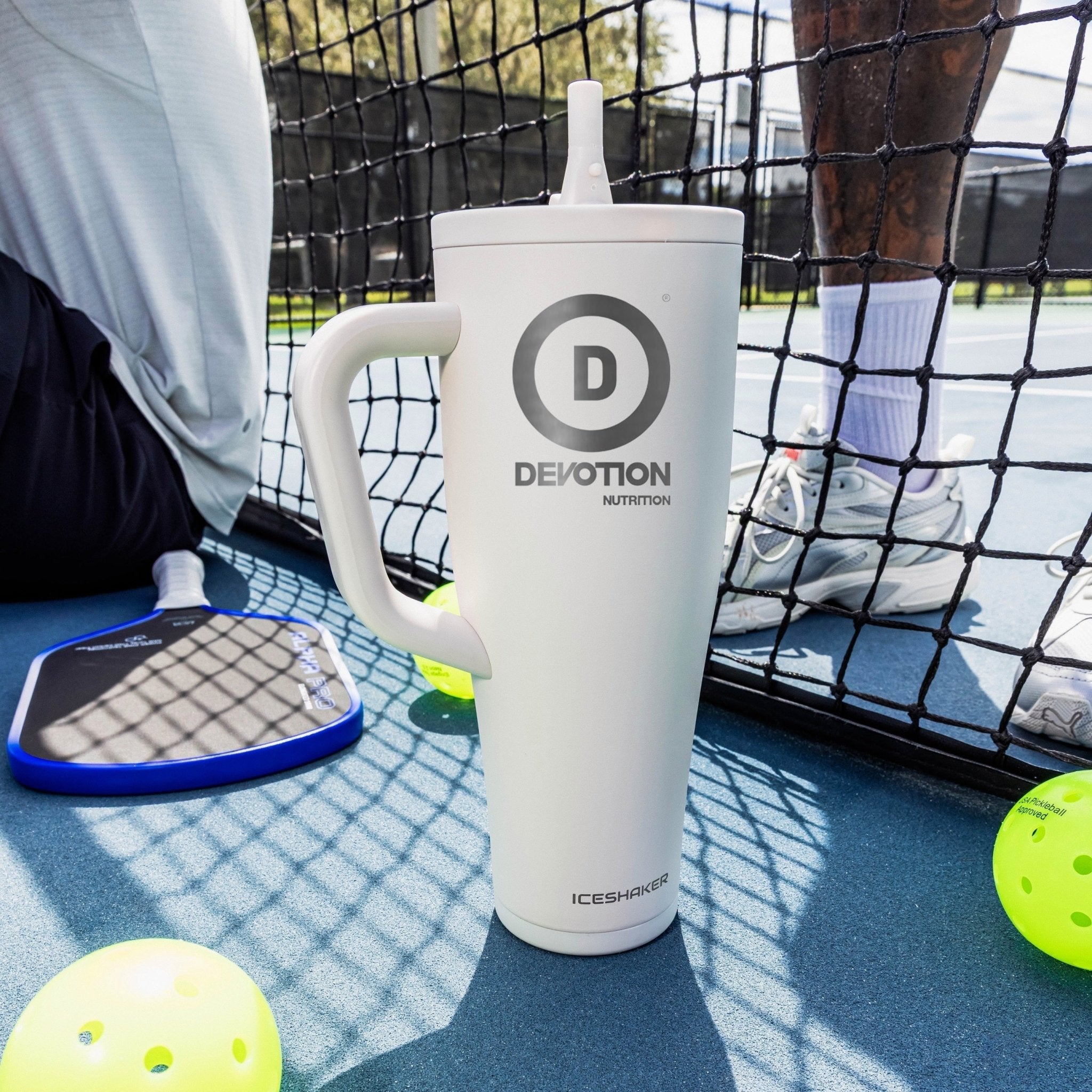
If you think your Devotion Ice Shaker is just for water, think again. Did you know it’s a double-wall, vacuum-insulated protein shaker cup that keeps drinks cold for over 30 hours or hot for hours longer than your coffee cup could ever do? Whether you’re mixing a post-workout protein shake, sipping a hot Devotion proffee, or prepping protein pancake batter for the week, the Devotion Ice Shaker is the best insulated shaker bottle you’ll ever own.
Here we’ve put together all the creative and practical ways to use this amazing shaker cup
1. Protein on the Go
No more clumps or warm shakes. The Ice Shaker can mix our protein powder into a smooth, creamy shake with over 20g of protein per serving. Your shake stays cold and fresh for hours, making it the perfect post-workout protein shaker cup to carry to the gym no matter the weather.
2. HydroFLEX™ Hydration for the BEST tasting way to get your water in
Upgrade your water with Devotion HydroFLEX. Add water and ice to your Ice Shaker, toss in HydroFLEX, and you’ve got a refreshing, sugar-free, dye-free hydration drink with Vitamin C, B vitamins, magnesium, sodium, and potassium. Your Ice Shaker keeps it ice cold all day long, so you’ll never get stuck with lukewarm water again.
3. Proffees & Protein Lattes (Hot or Cold!)
Want to save money and get your protein in? Skip the coffee shop. Use your Ice Shaker as a protein coffee shaker cup for iced lattes or hot protein coffees. The insulated stainless-steel design keeps your coffee hot for hours or your iced latte perfectly chilled. Just add Devotion protein powder, coffee, and shake. It’s like being your very own barista every day.
4. HydroFLEX™ Mocktails
Where happy hour meets hydration with HydroFLEX mocktails. Add sparkling water, ice, and your favorite HydroFLEX flavor. Cucumber melon, peach mango, or classic margarita and even pina colada. We’ve got a flavor you’re sure to crave. It’s a sugar-free, alcohol-free mocktail with B vitamins and flavor. Check out some of our very own mocktails in our recipes
5. Protein Pancake/Waffle Batter
Batch prep your protein pancake or waffle batter right inside the Ice Shaker. Store it in the fridge, and each morning, just pour out what you need for fresh, fluffy pancakes made with Devotion protein powder. No mess, no measuring—just easy, high-protein breakfasts in minutes. BONUS – This makes it super easy for the kids to get in the kitchen and help too.
6. On-the-Go Snack Cups or salad dressings
Your Ice Shaker isn’t just for drinks. Use it as a snack container or even for overnight oats, high-protein yogurt parfaits, or protein pudding. You can drop the kids snacks inside for sports practice or no mess car snacks.
Making salad dressing? Shake it up right inside and store in the refrigerator for an easy mess free pour when it’s salad time.
The leak-proof lid keeps everything secure, while insulation keeps it cool until you’re ready to eat. It’s the ultimate meal prep snack container for busy days.
BOTTOM LINE:
The Devotion Ice Shaker isn’t just for keeping water cold—it’s the most versatile shaker cup on the market. From protein shakes and smoothies to hot protein coffee, pancake batter, and HydroFlex mocktails, this insulated shaker bottle keeps your drinks at the perfect temperature while making healthy eating easy and delicious.
Ready to upgrade your routine? Grab your Devotion Ice Shaker cup and pair it with Devotion protein powders and HydroFLEX for endless ways to stay on track with your goals.
Not Just for Water: Surprising Ways You Can Use Your Devotion Ice Shaker Cup
Protein shakes are now a common part of many people's fitness and wellness routines. Regardless of whether you're an experienced athlete, a casual gym-goer, or just looking to keep a balanced diet, knowing when and how to incorporate protein shakes can really impact your outcomes.
Protein is one of the three macronutrients that our bodies need every day for energy and to help us feel our best. If you're adding protein shakes to your routine, you may be wondering how many servings of protein per day you can safely consume, when to drink them, and what the maximum limit of protein intake is. In this article, we'll go over everything you need to know to optimize your protein intake and match it to your body's needs and training objectives.
People often opt for protein shakes for a variety of reasons. Whether it's to build muscle, lose weight, gain weight, or aid in recovery from an injury or illness, these shakes can serve multiple purposes. Protein smoothies can be beneficial for all of the above reasons, depending on ingredients and how frequently you consume them.
Before you grab that scoop and start shaking, it's important to consider how many servings of protein each day is right for you. You need to consider your muscle growth and repair goals, as well as how they fit into your daily routine.
What are Protein Shakes?
The Cambridge Dictionary has an official definition for the word "protein shake": "a drink made by mixing protein powder (a powder that contains a substance which helps the body develop and become strong) with milk or water."
Some individuals do make protein shakes by blending protein powder with liquid, veggies, fruits, and other things in a blender, but that's truly a smoothie.
Let's use the dictionary definition for the sake of this conversation. A protein shake is just a scoop of protein powder mixed with water, usually providing 20 to 30 grams of protein.
Not all protein powders are the same. Animal-based protein powders, such as whey and casein sourced from milk, provide all nine essential amino acids. So, when choosing protein powder as a substitute for other protein sources, it's important to select options that include all the essential amino acids.
Why Does Our Body Need Protein?
Each day throughout our lives, our muscles exist in a constant state of change, as they undergo partial breakdown (referred to as muscle protein breakdown) and partial rebuilding (known as muscle protein synthesis).
Two highly effective methods to enhance muscle protein synthesis include engaging in resistance-based exercises, such as weightlifting, and ensuring sufficient protein consumption. Consuming protein after exercising boosts muscle protein synthesis more effectively than just exercising or resting without any protein.
When aiming to lose weight and keep a calorie deficit, ensuring adequate protein intake is crucial. If you don't have it, your body might start to use muscle tissue for energy. A study published in Current Opinion in Clinical Nutrition and Metabolic Care indicated that increasing protein intake while on calorie-restricted diets aids in maintaining lean muscle mass and facilitates fat loss.
Protein also helps to slow digestion, leading to a prolonged feeling of fullness. This feeling of fullness is especially useful for managing those mid-afternoon cravings or late-night munchies. Studies have repeatedly demonstrated that meals rich in protein enhance feelings of satiety and lead to a decrease in calorie consumption afterwards. Devotion Protein features an 80/20 blend of whey isolate and micellar casein, providing both rapid and slow digestion to help you feel full longer.
As we grow older, it becomes increasingly vital to preserve our muscle mass. As people age, they often experience a loss of lean muscle, known as sarcopenia. This condition can result in reduced mobility and an increased risk of falls. Research suggests that older adults should increase their daily protein consumption to support muscle maintenance and functional strength.
What is the Daily Recommended Amount of Protein?
When considering how many protein shakes a day to consume, it's important to take into account your overall protein requirements for the day.
Healthy individuals require approximately 0.36 grams of protein per pound of body weight.
Athletes need between 0.59 and 0.82 grams of protein per pound of body weight, depending on how often and intensely they train.
The lower limit (0.59g) is typically better suited for endurance sports such as distance running, tennis, cycling, or football. The upper limit (0.82g) is intended for workouts focused on strength, such as bodybuilding, powerlifting, functional fitness, or rugby.
This straightforward formula can help you determine the total amount of protein you need to consume each day, including both food sources and your protein shakes. If you weigh 154 pounds and engage in moderate exercise most days weekly, you would take your weight and multiply it by 0.59:
154 pounds x 0.59g/pound = 91g protein each day.
If you consume three meals a day, each meal should include around 30 grams of protein, which is approximately 4.6 ounces of grilled chicken breast. If your meals aren’t high in protein, protein shakes can effectively fill in the gaps.
However, if you weigh 242 pounds and follow a rigorous 2-a-day weight training routine, your protein needs could exceed 200 grams:
242 pounds x 0.82g/pound = 198g protein each day.
Getting this high amount from food alone can be quite challenging unless you’re prepared to eat about 6–7 servings of chicken daily... which could become quite monotonous in no time. This size and type of athlete may find it helpful to consume two or three protein shakes a day to reach their nutritional goals.
How Much Protein Is Absorbable Per Dose by Our Bodies?
Because of the ongoing process of muscle tissue breakdown and synthesis, it's generally advised to divide your protein intake into 3-4 evenly sized doses throughout the day, whether in the form of meals or shakes.
Nonetheless, consuming excessive calories from any source can result in weight gain, indicating there is a maximum amount of protein that is advantageous. The rate at which you digest and absorb protein can vary depending on the other components in your meal or protein shake, such as milk, water, fruit, and fat sources, as well as the type of protein you select, whether it's whey, soy, casein, or another option.
How Many Protein Shakes a Day Should You Consume?
It doesn't matter if you consume 2 or 3 protein shakes a day; what matters is the amount of protein you get each day for your progress.
For those who exercise, the ideal daily protein intake falls between 0.64-0.91 grams per pound of body weight, with the specific amount varying based on your individual goals. While it's possible to obtain all of this from your diet, protein shakes offer a practical solution to guarantee you're receiving the necessary high levels of various amino acids essential for muscle growth and recovery.
Best Timing to Consume Protein Shakes for Maximum Results
The timing of your protein shake can significantly influence your outcomes, whether your goal is to build muscle, shed fat, or recover effectively.
Protein Shake Before or After Workout?
This is a frequently asked question, and the response varies based on your objectives and schedule.
After Workout (Post-Workout): Ideal for Muscle Recovery
This is the most frequent and impactful time. Following resistance or endurance training, your muscles experience breakdown and require amino acids for recovery. Having a protein shake within 30 minutes after your workout can be beneficial to:
Reconstruct muscle fibers
Accelerate recovery
Avoid muscle soreness
Before Workout: Ideal for Lasting Energy
A protein shake before your workout can help prevent muscle breakdown and provide you with steady energy, especially if you're exercising early or haven't eaten in a while. Pair it with a quick-digesting carbohydrate, such as a banana, for the perfect pre-workout energy boost.
Here's a helpful tip: If you've had a good meal 1–2 hours before your workout, a shake after your training is more important than one before.
Morning Shakes
Having a protein shake in the morning can aid in managing hunger, balancing blood sugar levels, and establishing a positive start for the day ahead. If you're pressed for time or practicing intermittent fasting, a morning shake can be a quick and easy way to begin nourishing your body.
Between Meals (Snack Replacement)
Enjoying a shake between meals can help manage cravings and support muscle protein synthesis all day long. This is particularly beneficial during fat-loss periods when hunger hits.
Before Bed
A slow-digesting protein shake, such as casein, before bedtime helps nourish your muscles overnight. Devotion Protein is an excellent option for nighttime recovery because it features a blend of whey isolate and micellar casein in an 80/20 ratio. This combination provides the quick absorption benefits of whey protein isolate while also offering a sustained release of amino acids from micellar casein. As a result, your muscles receive continuous nourishment throughout the night.
Common Mistakes with Protein Shake Timing
Protein shakes can be beneficial, but improper timing and usage can diminish their effectiveness.
Neglecting Post-Workout Nutrition
Delaying protein intake after a workout can impede your recovery. Your muscles act like sponges immediately after a workout, eager to soak up nutrients.
Excessive Dependence on Shakes
Shakes are meant to enhance your diet, not to consistently take the place of actual meals. Whole foods offer extra vitamins, minerals, and fiber that shakes simply can't provide.
Consuming All Your Protein in One Go
Protein is most effectively absorbed when consumed at various times throughout the day. Rather than having two shakes back-to-back, try spacing them out to support muscle protein synthesis throughout the day.
Can Excessive Protein Be Dangerous?
The ideal amount of protein varies from person to person; it truly hinges on your individual goals, lifestyle, and how active you are. A typical guideline is to target approximately 20–25 grams of quality protein in each serving to aid in muscle repair and growth.
Some individuals might find it advantageous to consume slightly higher amounts, 30 to 45 grams per serving, particularly if their goals include building muscle, enhancing strength, or preventing muscle loss as they age. Typically, recommendations are usually within the range of 20 to 45 grams per dose.
To determine how many protein shakes a day you should consume, begin by assessing your overall daily protein requirements. From there, you can adjust based on your meals and the number of shakes you plan to include.
If you have a high-protein lunch and dinner, a single shake in the morning, whether as part of your breakfast or afterward, could be sufficient to reach your daily target. If you train in the afternoon and have a long break before your next meal, having a second shake after your workout can aid in recovery and promote muscle growth.
While some people are concerned about the implications of consuming too much protein, there is no need to worry if you are otherwise healthy and follow a balanced diet. Just make sure you consume enough fiber, complex carbohydrates, good fats, and vitamins to maintain your overall health.
Final Thoughts
Protein shakes serve as an effective resource for enhancing muscle growth, helping recovery, and promoting overall health. Try to have 2–3 shakes each day according to your requirements, and schedule them around your workouts, in the morning, or as snacks between meals. For a clean and tasty choice, Devotion protein shakes simplify the journey of staying on track. Combine them with whole foods, and allow your nutrition to function more efficiently.
Are you prepared to level up your nutrition game? Consider adding Devotion protein shakes to your routine and experience the difference for yourself.
Frequently Asked Questions
What do we need protein for?
Our muscles are in a phase of breaking down and then partially growing back up (muscle protein synthesis). Eating enough protein stops the breakdown of muscle protein and increases muscle protein synthesis, and preserves lean muscle mass.
How much protein do I need to consume every day?
Healthy individuals should strive for at least 0.36 grams of protein per pound of body weight. Athletes should target a protein intake of 0.59 and 0.82 grams of protein per pound of body weight.
How many protein doses should I take each day?
Many people find it helpful to divide their protein intake into 3-4 evenly sized doses to consume at various times during the day.
Is it dangerous to consume too much protein?
No. No studies have demonstrated any harm from protein in healthy individuals.
How Often Should You Drink Protein Shakes
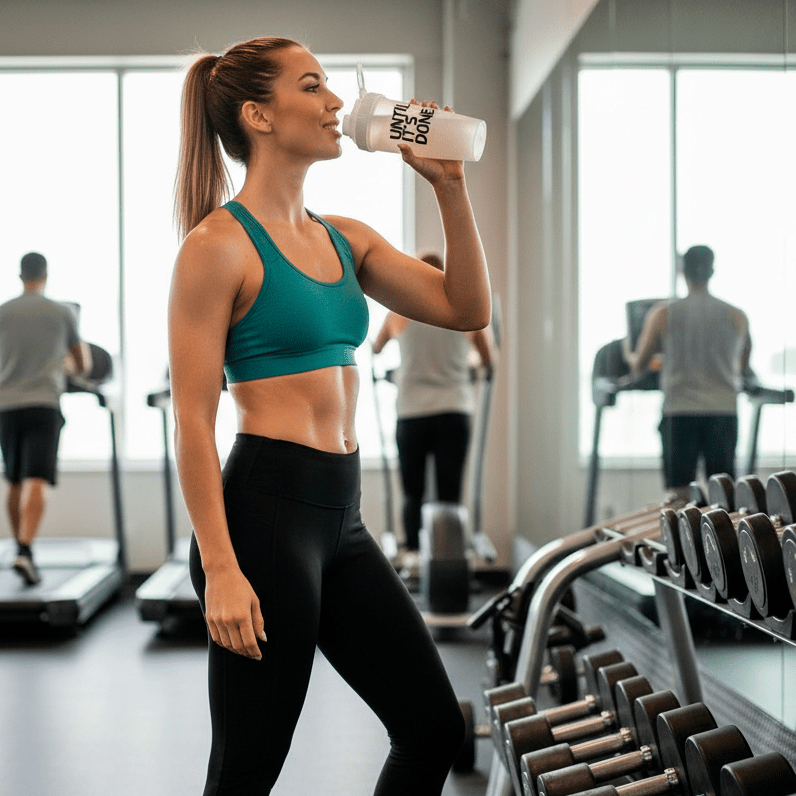
How Often Should You Drink Protein Shakes
September 29, 2025
Skip the sugar-filled coffee drive thru drinks and upgrade your daily latte with Devotion Nutrition. By blending in our protein powders, you can enjoy all the vibes while fueling your body with protein. From hot and frothy to iced, whipped and even blended, here are five ways we love to latte. You can even take your proten with you in one of our trial packs and add it to coffee when you're traveling and even at work.
1. Hot Gingerbread Latte
Warm, frothy, and spiced just right. Using Devotion Gingerbread protein powder, this latte tastes like the holiday in a cup. It's cozy, festive, and packed with 20g protein to keep you satisfied.
GRAB THE RECIPE HERE
2. Iced Caramel Macchiato
Your coffee favorite, made healthy and taastes EVEN better. A chilled espresso poured over creamy almond milk mixed with Devotion Salted Caramel Cone protein powder. Is the best way to start your day or a midday pick me up. You can even add a drizzle inished with sugar-free caramel syrup or whipped cream when you're feeling fancy. It's sweet, salty and protein-powered.
GRAB THE RECIPE HERE
3. Blended Mocha Java Chip Latte
A frosty, treat without the sugar bomb. With Devotion Mocha Java Chip protein powder, coffee, ice, and optional sugar-free chocolate chips, this frappe style latte tastes indulgent but saves you all of the sugar and has over 20g of protein.
GRAB THE RECIPE HERE
4. Sinful Cinnamon Classic Latte
The ultimate morning pick-me-up. Hot espresso blended with Devotion Sinful Cinnamon protein powder delivers all the cinnamon and spics flavor you crave in a creamy, energizing, sugar free latte.
GRAB THE RECIPE HERE
5. Blueberry Muffin Cold Foam Latte
Light, fruity, and a coffee that hits the spot any time of day. Froth Devotion Wild Blueberry Muffin protein powder with milk to create a sweet cold foam topping for iced coffee. It’s like a fresh blueberry muffin in latte form and it comes without the sugar crash.
GRAB THE RECIPE HERE
ANY WAY YOU LIKE TO LATTE DEVOTION HAS YOU COVERED
Whether you like your lattes hot, iced, classic, or blended, or even whipped. Devotion protein powder makes it easy to sip smarter. These sugar free, high protein coffee recipes are the perfect healthy swap for your morning coffee order. Saving you money and time in the drive thru, keeping you energized, satisfied, and devoted to your goals.
5 Ways to Make a Protein Latte

5 Ways to Make a Protein Latte
August 25, 2025
Despite its perception as a workout supplement, whey protein benefits reach much farther than the fitness world. Most have the perception that protein powder should only be used by athletes. This however is very outdated and not true. Not only is it known to help with managing weight and growing muscles, but it’s also been known to reduce the effects of aging. Let’s see some factors that lead to aging and examples of how whey protein can help to combat this all.
PREVENT MUSCLE & STRENGTH LOSS
With athletes getting adequate protein intake is vital to gain as well as preserve muscle mass. As we age, enough daily protein is even more essential, since the aging process threatens the loss of all that hard-earned muscle through a process called sarcopenia. This muscle wasting and slow decrease in strength happens to everyone as they age, even if you are a gym addict. Maintaining your muscle mass is important in posture, keeping you mobile as you age and that muscle will also help you to burn more fat at rest (even when you’re sleeping).
EASY TO ADD DAILY
The aging process hits with a 1-2 punch because our protein needs increase over time, and our ability to synthesize proteins decreases with decreases in the natural hormonal process. Testosterone, IGF-1 as well as HGH. This means it becomes harder to meet the aging body’s protein needs, and the result is less muscle mass.
The biggest challenge in meeting the protein needs of the body as we age is the physical challenge of eating enough protein. Protein powder is an excellent way to meet protein requirements in a low bulk form since its convenient and easy to consume. Whey protein is an excellent protein source for anyone over the age of 30. Plus it is super cost effective.
LOOK YOUNGER
Whey protein is high in BCAA’s, especially leucine, which is considered one of the most important branched chain amino acids for protein synthesis. BCAA’s are also responsible for helping collagen protein synthesis, so they play a huge role in the condition of the hair, skin, and nails. This keeps you looking younger while you are working on keeping all of your hard-earned muscle.
BOOST IMMUNITY AND PREVENT OSTEOARTHRITIS
Another age-related benefit of whey protein is the ability to fortify bone and prevent bone fractures. Whey protein also contains high levels of cysteine, an amino acid which boosts glutathione production. Glutathione, an antioxidant with powerful anti-aging effects, declines naturally as we age, and since it relies on the presence of cysteine, adding whey protein into a meal plan can guard against age related diseases.
RAISE METABOLISM AND INCREASE FAT LOSS
Whey protein has amazing effects on glucose metabolism as well. It reduces glucose levels in healthy people while hindering glucose tolerance in diabetic and the overweight. When you consume whey protein on a consistent basis with your otherwise high protein meal plan the result is a reduction in body fat and an increase in fat oxidation. Whey protein does this by releasing leptin which helps you feel more satisfied and fuller longer.
I could go much more in depth and talk about even more benefits of whey protein, not only for your everyday athlete but even more so for us as we age. If you haven’t been adding whey into your meal plan, do yourself a flavor and add it daily. For high-quality whey protein options to get started, check out Devotion Nutrition..
Whey More Reasons to use Protein Daily

Whey More Reasons to use Protein Daily
August 3, 2025
It would be great if there were a universal remedy for achieving quick results in beauty, health, and sports. However, no one has yet invented such a “magic pill”. There is an effective supplement that helps people reduce time and increase their body's capabilities — creatine.
The beneficial properties of creatine before a workout are well-known to all athletes. It is produced naturally in our bodies from the amino acids glycine, methionine, and arginine. Athletes add it to their diets to increase endurance and recover faster after gruelling strength training.
Although creatine is considered safe, the debate continues: creatine before or after workout? When does the supplement provide the greatest benefit? And what is the optimal schedule for taking it?
The effect of creatine before a workout on muscle strength and endurance
Can I take creatine before workout? It is standard practice. It increases ATP (adenosine triphosphate) levels, which is the main source of energy during intense exercise, such as sprinting or weightlifting. Increased ATP levels help muscles work harder: lift heavier weights, do more sets, and withstand stress. The creatine before and after format is suitable for those who want to recover faster and give their all during sets.
For beginners in fitness and weightlifting, it is useful to learn about what creatine is as a dietary supplement. Creatine pre workout is an easy way to get more out of your workout without overloading your body.
The main reserve produced by our body — about 95% — is concentrated in the skeletal muscles in the form of creatine phosphate, which quickly releases energy during strength training. The average amount of creatine in an adult's body is 120 grams, but when the muscles are saturated, it can reach 160 grams.
The main sources of creatine in food are meat and fish, but to reach an effective dose, you'd need to consume over a kilogram of beef or tuna daily. Since we naturally lose 1-2 grams of creatine per day, these losses should be replenished. While food alone can help, it's much easier with sports nutrition. Devotion Nutrition offers versatile supplements that support your daily intake and can be easily incorporated into your routine.
The dependence of ATP levels on creatine
Muscles need energy to work, and the main source of this energy is the ATP molecule. The human body stores a small amount of this molecule, and the rest is synthesized using three systems: creatine phosphate, glycolytic, and oxidative. The first is the fastest and most important for short, intense workouts.
Taking creatine pre workout enhances this first system. When ATP is depleted during bench presses, squats, or sprints, ADP remains — the “discharged” form. Creatine replenishes phosphocreatine stores in the muscles, which helps to restore ATP and continue working at high power quickly. Therefore, creatine as pre workout improves efficiency, explosive power, and endurance.
How the connection between ATP and creatine affects training
The use of supplements affects muscle strength and growth. First, this is due to increased load and improved conditions for protein synthesis: the basis for new muscle fibers. And it all starts with — is creatine pre workout. The supplement does not fill muscles with water — it triggers processes that affect muscle growth.
To support this process, creatine can be added to daily drinks such as smoothies or recovery blends. One easy and effective option is using it in a mocktail recipe together with HydroFLEX. This helps maintain consistent intake and adds variety to your supplementation routine, making it easier to stay on track with performance-focused goals.
The benefits of creatine before a workout from a scientific point of view
Studies show different results, so it is impossible to say for sure whether it is better to take creatine before workout or after. As Richard B. Kreider and Douglas S. Kalman note: "Participants supplemented with creatine had significantly greater isokinetic (+10%) and isometric (+21%) knee extension strength during recovery from exercise-induced muscle damage." But how does this happen scientifically?
Arguments in favour of taking creatine “before” exercise
Is creatine a pre workout? Yes, and here's what it does when taken creatine before a workout:
Increases strength and power. Creatine increases ATP levels, the main “fuel” molecule, which helps you lift more and work harder.
Increased endurance. Taking creatine before a workout delays fatigue, especially during high-rep or long sessions.
Faster recovery. Creatine accelerates ATP resynthesis, which helps muscles recover faster between sets.
Visible external effect. Due to water retention in muscle cells, muscles look more “full” and dense.
Improved athletic performance. Sports where explosive starts are important — sprinting, basketball, wrestling — also benefit from creatine before a workout.
Long-term mass is built up. Continuous intake has an accumulative effect: muscles get more energy, you train better, and mass grows.
Creatine before workout works great when taken before training. You can find delicious recipes for breakfast on the Devotion Nutrition website. The main thing is to stick to the regimen and not forget your daily dose to maintain the right level of ATP in your muscles.
How does taking supplements “at any time” affect the results?
Condition
Dosage/Intake regimen
Basic regimen
3-5 g of creatine per day
Loading phase
10-20 g daily for 7-14 days, divided into 2-4 doses
No loading
3-6 g twice a day: in the morning and 30 minutes before lunch or immediately after training
On non-training days
3-5 g in the morning
On training days
1st serving: 30 minutes before training2nd serving: immediately after training
It is best to combine creatine before a workout with protein shakes, sports drinks, or juice — the insulin response helps deliver creatine to the muscles faster. Some forms of the supplement already contain carbohydrates for better absorption.
The effect of creatine on athletes' digestion
More than 80% of athletes in various disciplines use creatine regularly, including creatine and pre workout regimens. Scientific reviews and meta-analyses have not identified any dangers when taken correctly. Dosages of up to 25 g per day did not affect creatinine levels or impair kidney function. Supplements that improve digestion can be purchased on the Devotion Nutrition website. The main thing is to follow the recommendations: take breaks between courses and don't exceed the dose.
Sometimes, during the loading phase, digestive problems such as bloating, cramps, and diarrhea may occur. This is due to the quality of the supplement or the sensitivity of the gastrointestinal tract. Reduce the dose or choose a different form of creatine before a workout. The supplement isn't recommended for people with chronic diseases, those undergoing medical treatment, adolescents, pregnant women, and nursing mothers.
What are the benefits of using creatine before a workout?
Take creatine daily for 3-4 weeks, then take a break for the same time. Then repeat the cycle described in the table above. Without training and regular intake, muscle growth is impossible — creatine only works when combined with exercise and accumulated reserves.
The advantage of the supplement is its fast effect and long-term results, which will last and influence further training. With increased loads, faster recovery, and a sustained pace, progress will not be long in coming. Over time, this stimulus leads to increased strength and muscle growth. Even when the effect of creatine and pre workout disappears, the real results remain.
Drinking throughout the day helps the body absorb creatine better and prevents dehydration. Try to drink about 8-10 glasses of water — if you have an active lifestyle, you need to increase the amount of water you drink. Devotion Nutrition offers an interesting perspective on its role in the diet.
Can I take creatine before a workout?
Yes, taking creatine before training is an effective approach. In this case, it helps your muscles use more energy from the very first repetitions when you are training for strength, speed, or explosive endurance.
Consistency and training during supplementation cannot be cancelled. The supplement is not a substitute — it is an aid to training. As a result, you recover faster, the load increases, and with it, your muscles. Contact us for advice on supplements, their form, and dosages.
FAQ
When to take creatine: before or after training?
Creatine supplement helps improve performance from the start of your workout, but the main thing is to take them daily.
How long before training should creatine be taken?
Ideally, 30–60 minutes before the gym, so that creatine before gym has time to be absorbed and start working during exercise.
When should creatine be taken for best results?
Creatine as pre workout supplement is most effective when taken regularly, even on non-training days.
Does creatine help build muscle?
Yes, especially during strength training — the answer to the question “Is creatine a good pre workout supplement for increasing strength and muscle mass?” is absolutely yes.
Should creatine be taken before bed?
It is acceptable to take it in the evening, but creatine before gym is more effective.
Is it worth taking creatine for beginners?
Yes, is creatine a good pre workout even for beginners? It helps you adapt to exercise faster.
Should You Take Creatine Before a Workout for Better Results?

By Gennifer Strobo, Nutritionist | Certified in Diabetes & Hormonal Health
Let's talk healthy July 4th BBQ recipes.
Between the burgers, chips, desserts, and heat that makes everyone cranky by 3 p.m., it's easy to fall into the trap of "I'll just start over on Monday."
But here's the truth: you don't need to skip meals or fear the potato salad. You just need a little strategy and a few easy 4th of July recipes.
My July 4th BBQ Game Plan
I don't skip meals. I eat breakfast and lunch with protein so I don't arrive hangry.
I bring my own healthy BBQ recipes. I know what's in them and always have something balanced to eat.
I get in movement through my day and don't just graze at the food table.
I stay hydrated. Water plus HydroFLEX™ for flavor and electrolytes.
I eat what I love—and move on. No guilt. No "starting over." Just real life.
Start Your Day with a Protein-Packed Breakfast
→ Devotion "Banging" Blueberry Overnight OatsStart your July 4th with this protein-packed breakfast that'll keep you satisfied all morning.
Easy 4th of July Recipes to Prep and Take
Make sure you'll have plenty of filling fiber and nutritious alternatives by bringing your own healthy Fourth of July BBQ recipes.
Creamy Cucumber Salad
INGREDIENTS
2 English Cucumbers
1/3 c. Purple onion, thinly sliced or diced
1/3 cup non fat plain greek yogurt
Salt and Pepper to taste
1 TB Red Wine Vinegar
OPTIONAL 1/TB Minced garlic, Fresh Dill
Slice the cucumbers and onion thin and add to a large bowl.
Stir in the vinegar and greek yogurt to coat.
Add Salt and Pepper to your liking and garnish with fresh dill. (the dill makes the essence of this side dish)
Veggie Dip Tray
INGREDIENTS
Various Raw crudite veggies (cucumber slices, baby Carrots, Bell Pepper strips, Cherry tomatoes, Broccoli florets , snap peas, etc
Pretzels or crackers, optional
Cheese cut with star cookie cutters, optional but makes it festive
1 c. Plain Greek Yogurt
1/2 package Ranch seasoning mix or French Onion Soup Mix
Fresh herbs, optional
Arrange all of your veggies and optionals onto a cute serving tray or charcuterie board
Combine the Yogurt and mix of choice until well blended.
Top with fresh herbs to freshness and a pretty presentation
PRO TIP: Refrigerate all until you're ready to head to the party. Make this the night before and the dip will thicken and be even more flavorful
While at the BBQ, Stay Hydrated
Hydrate with HydroFLEX™ and/or enjoy this festive mocktail.
GET YOURS HERE
Fireworks Rocket Pop Mocktail
Using a lime wedge rim the edge of your glasses with lime.
Crush the Blue or red Pop Rocks in the packet before pouring out onto a small plate
Next, roll the glass rims in the Pop Rocks to coat the outer edges. Watch out the fireworks start as soon as you start rimming. Set glasses aside
Combine 16oz Water and 1 Rocket Pop Hydroflex stick in a shaker cup and shake well to combine.
Add ice to 3-4 glass and divide the rocket pop mixture between them (depends on how strong you like the flavor.
Top each glass to fill with plain seltzer water.
Add fresh berries for more color and enjoy. Sipping from the rim will give you that little BURST of pops on your lips and the Hydroflex will satisfy your thirst.
Enjoy with Devotion Nutrition!
End Your Healthy Summer Celebration with Patriotic Desserts
Whether you bring these easy July fourth recipes to the BBQ or save them for yourself at home, these patriotic desserts are the perfect way to end your celebration.
→ Devotion Star Spangled Strawberry Shortcake→ Devotion White Chocolate Fudge Stars
Here's the Deal -
Eat the food. Enjoy your people. Bring dishes that help you feel good.
You don't need to "earn" your meal or "make up for it" tomorrow. Just keep showing up for your health and your life.
Have a safe and flavor-filled Fourth!
— Gennifer
Easy Healthy 4th of July Recipes: How to Enjoy July 4th Without the Sugar Crash or Guilt Trip

Our brand new Blueberry Protein Powder is here—and it’s bursting with sweet, authentic blueberry flavor in every scoop. Whether you’re whipping up a weekday breakfast or sneaking in a quick, protein-packed treat, this versatile flavor is ready to become your new favorite.
And don’t worry—you don’t have to give up your favorite foods to stay on track. At Devotion, we’re all about fueling your goals without sacrificing flavor (or fun).
Here are 5 easy, mouthwatering ways to use Devotion Blueberry Protein Powder—all made with real ingredients, real flavor, and real life in mind:
Blueberry Overnight Oats
🥣 The no-cook breakfast that tastes like dessert.Mix up your oats at night, and wake up to a creamy, blueberry-infused breakfast that’s high in protein, low in sugar, and totally satisfying. With the addition of Devotion’s Blueberry Protein, you get all the flavor—without the crash. Get the blueberry protein powder 12 pack now.
👉 Get the recipe here
2. Hot or Iced Blueberry Protein Latte
☕ Your morning latte, leveled up.This Blueberry Latte (hot or iced!) is like sipping on a warm blueberry muffin—only it’s packed with protein and MCTs to keep you energized and focused. Skip the coffee shop and make this delicious, sugar-free treat at home.
👉 Make it here
3. Fluffy Blueberry Waffles or Pancakes
🧇 Protein-packed brunch goals.
Our Blueberry Protein Powder makes the fluffiest waffles and pancakes—no rubbery texture, no
weird aftertaste. Whether you're doing brunch with friends or batch-prepping for the week, these are a must.
👉 Try the waffle/pancake recipe here
4. Blueberry Protein Pudding (1-Minute Fix)
🍨 When sweet cravings hit, this hits back.Just mix 1 scoop of Blueberry Protein Powder with a splash of water (1–2 oz) and stir until thick and creamy. That’s it. One bowl. One minute. One seriously delicious protein pudding. It's thick enough to be a dip for apple slices or graham crackers too.
👉 See how to make pudding with our other flavors here
5. Blueberry Protein Shake or Fluff (Your Way)
💪 Classic, but never boring.Blend a scoop with cold water, almond milk, or regular milk—and go simple or load it up with frozen fruit, Greek yogurt, or even oats for extra staying power. It's your smoothie, your rules.
👉
1 Scoop Devotion Blueberry protein powder
1/2 C Frozen Blueberries (can use fresh if you choose)
1 C ice (shake) 2 C ice (fluff)
1 C liquid (water or unsweetened almond milk)
Add nuts, Yogurt, spinach, ground flaxseed, chia seeds or almond butter. Make it YOURS
Why Devotion’s Blueberry Protein Belongs in Your Pantry
Every scoop of our new Blueberry Protein delivers:
✅ 20g premium whey protein
✅ 1g MCT for clean energy
✅ Low carb, sugar-free, gluten-free
✅ Made for baking, blending, and sipping
✅ Flavored to actually taste amazing
✅ Family-approved and picky-eater proof
You don’t have to sacrifice taste to hit your protein goals. With Devotion, you fuel your body and your cravings.
Ready to Taste What the Hype Is About?
🫐 Whether you’re mixing up oats, flipping pancakes, or frothing a latte—our Blueberry Protein Powder is about to change your routine for good.
👉 Shop Blueberry Protein and our other flavors now
5 Easy (and Delicious) Ways to Use Our New Blueberry Protein Powder 🍇

It depends on your goals, let's get into it!
Devotion Nutrition protein is a convenient and might I say freaking TASTY way to increase your protein intake and supplement your daily nutrition.
Now should you replace ALL your protein sources with whey? NO, don't do that.
You should be getting the majority of your protein from high quality sources, but as always you can use high-quality whey protein to fill the gaps, grab a quick meal and bake up your favorite treats.
Keep reading and find out what works best for you!
KEY TAKEAWAYS
· Protein is essential for maintaining and building lean muscle mass.
· Whey protein is a complete protein containing all the essential amino acids.
· Many factors influence your protein needs, including your activity level and choice of workout.
Is Too Much Protein Bad for Your Kidneys?
This question comes up all the time—especially when someone starts upping their protein.
Whether it’s to build muscle, lose fat, or just stay fuller longer, someone always chimes in with:
“Be careful… too much protein is bad for your kidneys.”
Let’s clear this up.
Where This Even Came From
This warning started with people who already have kidney disease. And yes—in those cases, limiting protein can help.
But if your kidneys are healthy? That advice doesn’t apply to you.
There is no solid evidence that eating more protein damages healthy kidneys. None.
What Research Really Says. – and believe me I’ve done tons of it over my 20 years in dietetics
Plenty of studies have looked at high-protein diets—even double or triple the standard recommendations—and the results are consistent:
No harm to kidney function in healthy men or women.
A 2020 review in Advances in Nutrition backed that up. And a 2016 study had people eating up to 1.5 grams of protein per pound of body weight per day—still no issues with kidney health.
So if your kidneys are working fine, protein isn’t the problem.
How Much Protein Do You Actually Need?
That standard “0.36 grams per pound” most people hear?That’s the bare minimum to avoid deficiency. It’s not enough if you want to feel good, stay strong, or change your body.
Here’s a better range for most adults:
General health: 0.55–0.75 grams per pound
Fat loss or building muscle: 0.75–1.0 grams per pound
Example:A 150-pound person would aim for 90–130 grams of protein per day.A 200-pound person might need 110–160 grams.
Totally doable with balanced meals, snacks, and smart supplements like Devotion Protein.
Bottom Line
If you’re healthy, eating more protein is not dangerous—and it’s actually one of the best ways to support your goals.
Whether you want to feel stronger, stay satisfied, or improve your body composition, protein helps. And no—your shake isn’t ruining your kidneys.
Let’s stop fearing protein and start using it.
Devries MC, Sithamparapillai A, Brimble KS, Phillips SM. Changes in kidney function do not differ between healthy adults consuming higher- compared with lower- or normal-protein diets: a systematic review and meta-analysis . *J Nutr*. 2016 Mar;146(3):592-602.
Antonio J, Ellerbroek A, Silver T, Vargas L, Tamayo A, Buehn R, Peacock CA. A high protein diet has no harmful effects: a one-year crossover study in resistance-trained males . *J Nutr Metab*. 2016;2016:9104792.
Morton RW, Murphy KT, McKellar SR, Schoenfeld BJ, Henselmans M, Helms E, et al. A systematic review, meta-analysis and meta-regression of the effect of protein supplementation on resistance training-induced gains in muscle mass and strength in healthy adults . *Br J Sports Med*. 2018 Mar;52(6):376–84.
Is Too Much Protein Bad For Your Kidneys?

Is Too Much Protein Bad For Your Kidneys?
June 5, 2025
Hydration Doesn’t Have to Be Boring: Why I Use HydroFLEX Daily
Let’s be honest: plain water gets old real fast .
You know you need to hydrate, but when you're juggling work, hormones, stress, workouts, and everything else life throws at you—it’s easy to forget to drink up (or just not want to).
That’s why HydroFLEX has become my daily go-to. It’s not just flavored water.
It’s vitamin-infused hydration with clean ingredients, functional benefits, and flavors so good you’ll actually want to drink more water. (Yes, really.)
Why Water Alone Isn’t Always Enough
We’ve all heard "drink more water," but here’s what most people don’t hear:
Your body needs electrolytes —not just H2O—for true hydration.
When you’re sweating, stressed, or even just aging (hi, midlife hormone shifts 👋🏼), your body starts to lose essential minerals like:
- Magnesium – helps with mood, sleep, digestion, and muscle function
- Sodium – supports fluid balance, energy, and nerve signals
- Potassium – reduces bloating and keeps your muscles + heart functioning well
Without these? That water you're drinking isn't getting absorbed properly—which can leave you feeling bloated, tired, foggy, and just “off.”
Why I Recommend HydroFLEX (to Literally Everyone)
HydroFLEX isn’t your average electrolyte powder. It’s:
- ✔️ Vitamin-infused – 250% DV of Vitamin C + 100% of your daily B vitamins
- ✔️ Electrolyte-rich – contains the big 3: magnesium, sodium & potassium
- ✔️ Free of sugar, caffeine, dyes & artificial sweeteners
- ✔️ Vegan, gluten-free, and kosher
- ✔️ Safe for blood sugar (even for my fellow Type 1s)
It gives you the hydration support your body craves, without the sugar crashes, weird aftertastes, or questionable ingredients hiding in so many “hydration drinks” on the market.
The Flavors? UNREAL.
Let’s talk about the part that really makes this a game-changer: the flavors.
From tart and citrusy to juicy and sweet—every flavor is clean, refreshing, and completely free of that fake “sports drink” vibe. I crave it. My clients crave it. Even my family sips on it all day.
It makes water taste like something you want to drink—not something you have to.
And It’s So Versatile It’s Ridiculous
Here’s how I use it (and how you can, too):
- In my daily water bottle (it makes me drink so much more!)
- Blended into protein shakes and my Ninja Creami combos
- Frozen into homemade popsicles in the summer
- Stirred into mocktails with sparkling water and citrus
- Even added to plain Greek yogurt or chia puddings for a burst of flavor
Once you try it, you’ll start finding fun new ways to use it everywhere
The Bottom Line?
You don’t need to force yourself to drink plain water all day.
You need hydration that tastes good, works , and supports your energy, digestion, mood, and skin.
✨ That’s what HydroFLEX delivers.
It’s more than just hydration—it's flavor with function.
And once you try it? You’ll wonder how you ever lived without it
Ready to upgrade your hydration?
👉 GET YOURS NOW
Your water just got way more exciting. 💧
Hydration Doesn’t Have to Be Boring: Why I Use HydroFLEX Daily

Easter is all about delicious food, time with loved ones, and maybe a few sweet treats—but that doesn’t mean your goals have to take a backseat. With Devotion Nutrition protein powder, you can create indulgent, flavorful recipes that feel festive while still being nutritious (and the family will never know)
Devotion’s protein powder is the only one that performs like flour in recipes making it ideal for baked goods and treats. It is not only adding a boost of high-quality protein to every bite but keeps you feeling fuller and more satisfied than traditional ones so there won’t be any post feast sugar crash or guilt.
☕ Protein Caramel Latte
Start your Easter morning off with a cozy caramel latte made using Devotion Nutrition’s Salted Caramel Cone protein. It tastes indulgent but starts your morning off with 20g protein and more than 1/4th of that famous coffee places calories, plus no sugar. Serve it hot in your favorite mug, topped with cinnamon, or pair it with a light breakfast like Greek yogurt and berries.
🍌 Protein Banana Chocolate Chip Bread
When family in in town, nothing beats the smell of banana bread fresh from the oven. This version is soft, sweet, and full of gooey chocolate chips—but it’s secretly packed with Devotion protein, keeping it lighter and more satisfying. Serve warm with almond butter or Greek yogurt on the side.
This is a great addition when sliced up to a brunch board too.
🧇 Sinful Cinnamon Protein Waffles
These crispy-yet-fluffy waffles are made with Devotion Nutrition Sinful Cinnamon Protein, and all the comfort feels cinnamon Easter brunch or breakfast all week. They cook up just like traditional waffles but with added protein and fewer calories. Top with berries and a little whipped cream, or make an Angel Food Cake Protein drizzle. These also are great for a or set up a DIY waffle bar, or on that brunch board too.
🪱 Dirt Cake Cupcakes
These cupcakes remind me og being a kid eating those puddings cups at school lunch. But now let’s add in a grown-up twist. Devotion Brownie Batter protein gives the rich chocolate flavor a high protein boost making these dirt cake cupcakes a fun and balanced way to end your Easter day OR any day. I mean, chocolate!!!
🍞 Cinnamon Protein Biscuits
Sweet and fluffy, better for you biscuits. Tese are a game-changer. Using Devotion Sinful Cinnamon protein instead of traditional flour keeps them gluten free as well as high in protein, all while delivering that classic biscuit feel. Try them with a sweet Devotion Nutrition Angel Food cake icing on top or a smear of cream cheese. How about raspberries smashed up combined with chia seeds to go the sweet treat?
Another way to enjoy these is add eggs and turkey bacon for your own breakfast sandwiches that can be wrapped up and taken on the go
🍓 Strawberry Shortcake Parfaits
Light, fresh, and layered with spring flavor, these parfaits use Devotion Angel Food Cake protein to turn a classic dessert into a macro-friendly treat. They’re perfect for a brunch or served chilled after Easter dinner. Put these together in individual cups or jars for a pretty and portioned treat.
🥕 Carrot Cake Mini Loaves
Carrot cake speaks springtime and bunnies, and these mini loaves don’t disappoint. Devotion Nutrition Sinful Cinnamon or Angel Food Cake protein powder performs like flour in this recipe, giving each bite structure, spice, and a protein boost. They're great for individual servings or wrapped up as cute, healthy parting gifts.
With these amazing Easter recipes you can indulge, stay on track ANDl impress your guests with they'll never know that they are secretly protein-packed.
Wishing you a delicious, protein packed and happy Easter from the Devotion Nutrition family.
7 Easter Recipes Your Whole Family Will Love

7 Easter Recipes Your Whole Family Will Love
April 12, 2025
Why is everyone talking about hydration and the need to drink so much water daily? We need adequate water to regulate body temperature, keep joints lubricated, prevent infections, deliver nutrients to cells, and keep organs functioning properly. Being well-hydrated also improves sleep quality, cognition, and mood. However, we often lack the necessary minerals in our body to get that water where it needs to go and will end up making endless trips to the restroom without the water actually getting to do what it needs to do within our body.
This is where electrolytes come in. These essential minerals are the key players to our bodily functions and they play a crucial role in maintaining muscle and cell activities. The most common electrolytes include sodium, calcium, potassium, magnesium, chlorine, and phosphate.
The Benefits of Electrolytes:
Maintain hydration levels
Regulate blood pressure
Preserve nerve and muscle function
Helps with muscle contraction
Balance pH levels
Support adrenal and hormonal functions
Stabilize mood
Signs of Dehydration/Electrolyte Imbalance:
Fatigue or lethargy
Fluid retention and bloating
Shortness of breath
Headaches
Muscle cramping
Dehydration or electrolyte imbalance can sometimes come across as food cravings, which could lead to you overeating when you really just need to drink some water.
Warm Weather and Electrolytes:
Proper hydration becomes even more important in warmer weather or during the summer when dehydration and electrolyte imbalances are most common. Since it gets so hot, you’re outside more often and oftentimes the summer months lead to increased alcohol consumption, it’s easy to neglect your water needs.
But what about the long time debate on salt intake? Contrary to popular belief, research suggests that for healthy individuals, limiting sodium may do more harm than good. Unless specifically advised by your doctor due to conditions like high blood pressure, there's often no need to avoid salt consumption. In fact, underconsumption of salt can pose greater health risks and in turn affect your muscles, brain, hormones and even metabolism
According to a 2021 study published in the National Library of Medicine, the optimal range of dietary sodium intake is between 3 to 5 grams per day. Consuming less than 3 grams or exceeding 5 grams per day may increase the risk of adverse health outcomes.
Do You Need an Electrolyte Supplement?
While it's possible to obtain electrolytes through a balanced diet, supplements can provide a convenient and of course TASTY solution to be sure you are getting enough water daily. My favorite way is by using Devotion Nutrition Hydroflex packets. These well-formulated vitamins and electrolytes are gluten and sugar-free. With the optimal ratio of just what you need with and no fillers.
HydroFLEX™ | The Importance of Hydration & Electrolytes
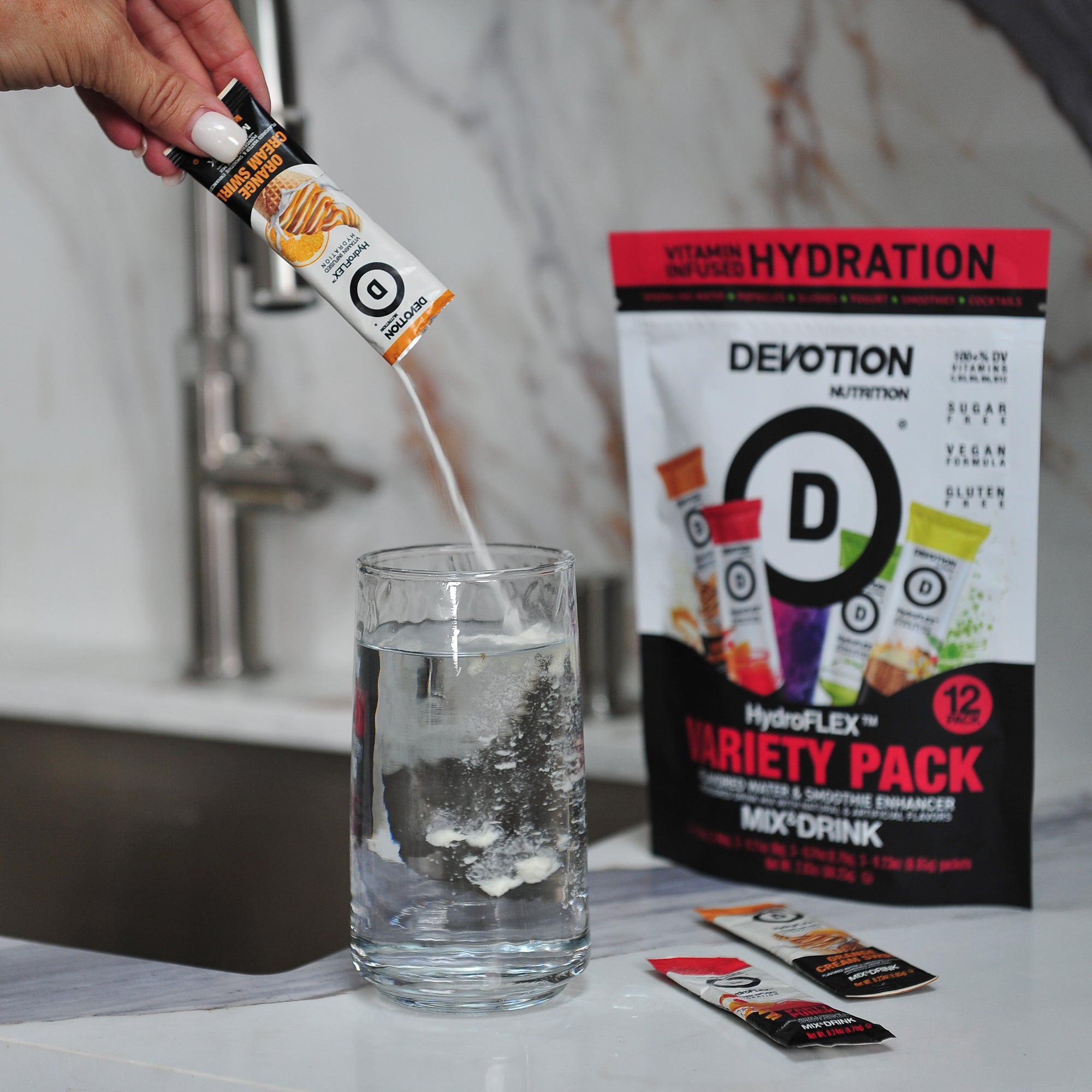
HydroFLEX™ | The Importance of Hydration & Electrolytes
October 1, 2024
Another brand has entered the hydration space; although it’s not your typical sports nutrition competitor, it is Devotion Nutrition. The brand was originally known for its concentrated flavor packs called Flex Flavor, and its incredibly thick and flavorful protein powder in some genuinely on-point options. Devotion has moved into many other categories, and now it is in hydration with HydroFLEX, built entirely to support, enhance, and improve hydration and performance with a blend of vitamins and electrolytes.
Read the entire article Here!
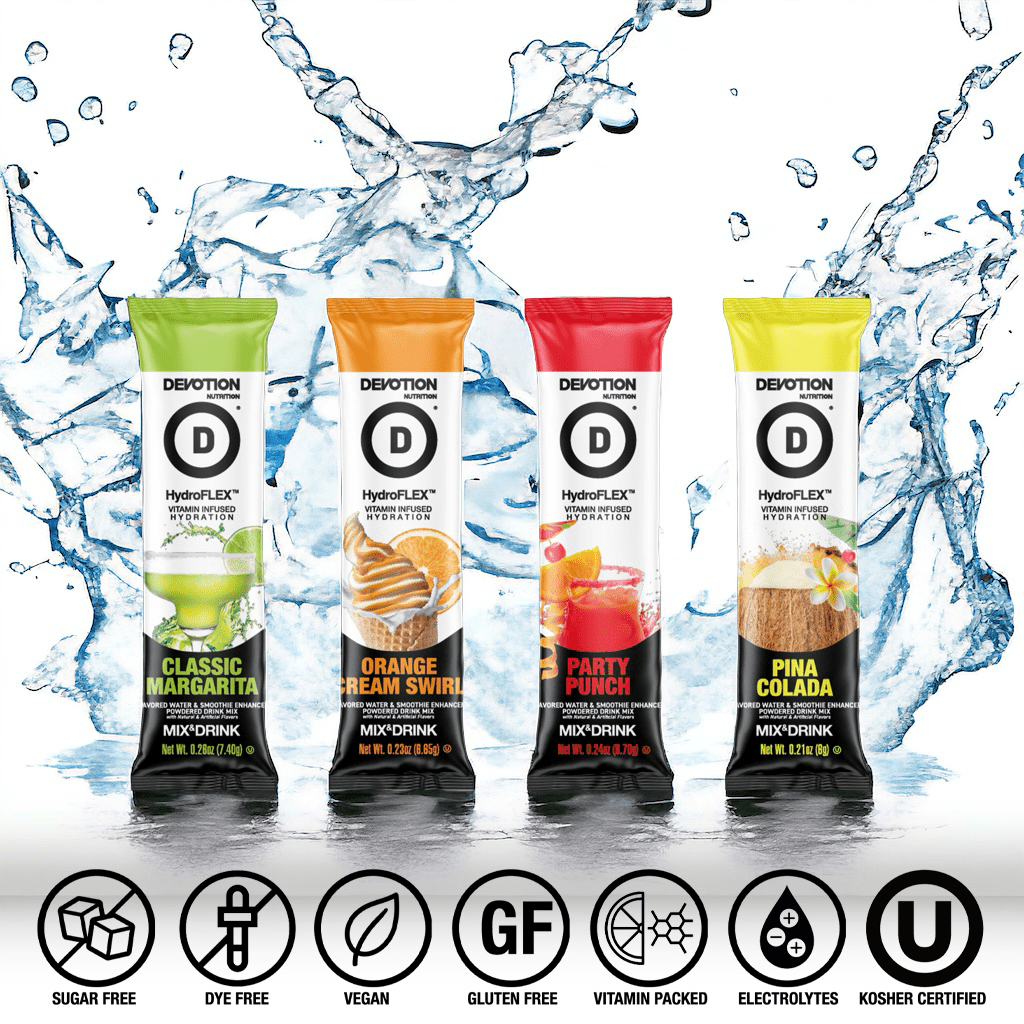
Drink more water with HydroFLEX™ by Stack3D
April 1, 2024
Did you know that Devotion Nutrition has been extremely involved in the Bariatric community for years? We believe that a huge part of long term weight loss success has to do with having the right tools to help you lose the weight and keep it off! When you truly love your food, you can stick to your goals and continue to see incredible results. Losing weight doesn’t only mean lower numbers on the scale, it also means big improvements to the quality of your life and health.
Protein is so important for bariatric patients, here's why:
It helps to prevent malnutrition, a common concern for bariatric patients due to the restrictive nature of the surgery.
It supports the healing process after surgery.
Protein helps to maintain muscle mass, which is essential for maintaining a healthy metabolism and overall health.
It can help with weight loss and weight management by helping to keep you feeling full and satisfied after surgery.
Protein also supports a healthy immune system, which is especially important for bariatric patients who may be at increased risk of infections after surgery.
Devotion Protein is here to prove that protein can definitely taste delicious, which can be a game-changer when it comes to hitting those protein goals.
Here are some reasons why tasty protein is key:
Delicious protein makes it easier to stick to your goals. If you actually enjoy the food you're eating, you're more likely to stick to your plan.
It can make eating healthy more fun and interesting. Let's be real, eating the same bland, tasteless foods day in and day out can get pretty boring. A little flavor and variety can make all the difference! You don’t always have to have a shake. If you are in the mood for a pancake or waffle or even cake, you can have it without straying away from your goals.
It can help satisfy your cravings. Craving something sweet or savory? We have created plenty of protein-packed recipe options that can satisfy those cravings while still supporting your goals.
With 20g per scoop of Devotion protein, keeping your protein high doesn’t have to be a challenge anymore. Not only is Devotion gluten and sugar free, it’s so high quality that it’s easy even on sensitive bellies.
It’s okay if you aren’t a chef or a cook. Devotion is so easy to prepare. If you an add water to a bowl or mug and mix, you are on your way to a decadent mug cake or pancake in minutes.
Check out our incredible recipe section of the website for lots of high protein recipes including all of our super star protein flavors. Devotion Nutrition products will not only help you reach your goals, it will become your new healthy lifestyle!
Why is Devotion Nutrition a great choice for Bariatric patients?

Why is Devotion Nutrition a great choice for Bariatric patients?
October 30, 2023
What makes Devotion Nutrition protein so incredible? We love to shout from the rooftops at how high quality our protein is. We are so proud of that and if you ask our devoted customers they will tell you after trying so many brands they finally found one that not only tastes delicious, bakes like a dream but also digests the best. Now we want to tell you WHY! It has to do with the quality of the protein we use because there is a difference. Not all protein is created equally. It’s just like saying, “all cars are the same.” Well yes, they have four wheels but when you look under the hood at the engine and you see and feel the quality, you know what separates the Corolla from the Bentley!
Devotion uses a very high quality whey isolate protein. We do not use any whey concentrate like some other brands do, often to help bring down the cost, and we will tell you why. Whey protein isolate and whey protein concentrate are both great options for boosting your protein intake, but there are a few key differences between them. Here's why whey protein isolate is considered superior:
- Higher protein content: Whey protein isolate typically has a higher protein content than whey protein concentrate, making it a more efficient way to hit your protein goals. It has a very high protein content, typically around 90% or higher, making it one of the purest forms of protein available. Whey concertrate has a lower protein content, typically around 70-80%, compared to the 90% or higher in whey isolate. Whey isolate is also considered to be a "complete" protein, meaning it contains all of the essential amino acids that the body needs to function optimally. Whey concentrate is considered a "partial" protein, meaning it lacks some of the essential amino acids that are present in whey isolate.
- Lower lactose and fat content: Whey protein isolate undergoes more processing, which results in a lower lactose and fat content than whey protein concentrate. This can be beneficial for people who are lactose intolerant or looking to reduce their fat intake. Whey concentrate contains more lactose and fat than whey isolate, which can make it less suitable for people with lactose intolerance or those looking to reduce their fat intake. This is why some people say certain proteins don’t agree with their stomach but Devotion doesn’t give them any issues. Using strictly whey isolate helps reduce any digestive issues. Plus, Devotion has built in digestive enzymes as another layer of digestive protection. We want you to get all of the benefits from our protein.
- Higher price: As you might expect, whey protein isolate is typically more expensive than whey protein concentrate due to the additional processing required. However, some people believe the extra cost is worth it for the higher quality protein.
Devotion is 80% whey isolate and 20% micellar casein. A whey isolate / casein blend protein is like the superhero of the protein world. Combining whey isolate with casein creates a "time-released" protein that provides both fast and slow-digesting protein sources. This can support muscle growth over an extended period of time, making it a great option for both pre- and post-workout nutrition. The combination of whey isolate and casein can also help to increase satiety, or the feeling of fullness, which can help to reduce overall calorie intake and support weight management goals. Whey isolate casein blends are also highly soluble and easy to digest, making them a convenient option for those who struggle with protein digestion or absorption.
Micellar casein protein is a pretty special type of protein for a few reasons. t's slow-digesting, which means it can provide a steady supply of amino acids to your muscles over a longer period of time compared to other types of protein. This can be helpful for promoting muscle growth and recovery after workouts. It has a high leucine content, which is a key amino acid for stimulating muscle protein synthesis. This can help your muscles grow and repair themselves more efficiently. Micellar casein protein is also considered to be highly bioavailable, meaning it's easily absorbed and utilized by the body. This can make it a more efficient source of protein compared to some other types.
So as you can see, Devotion Nutrition took the time to select the protein sources used for very specific reasons. We not only want our customers to love their protein but also know its important to select high quality ingredients. Once you try Devotion you can understand what separates it from the rest.
What makes Devotion Nutrition protein so incredible?
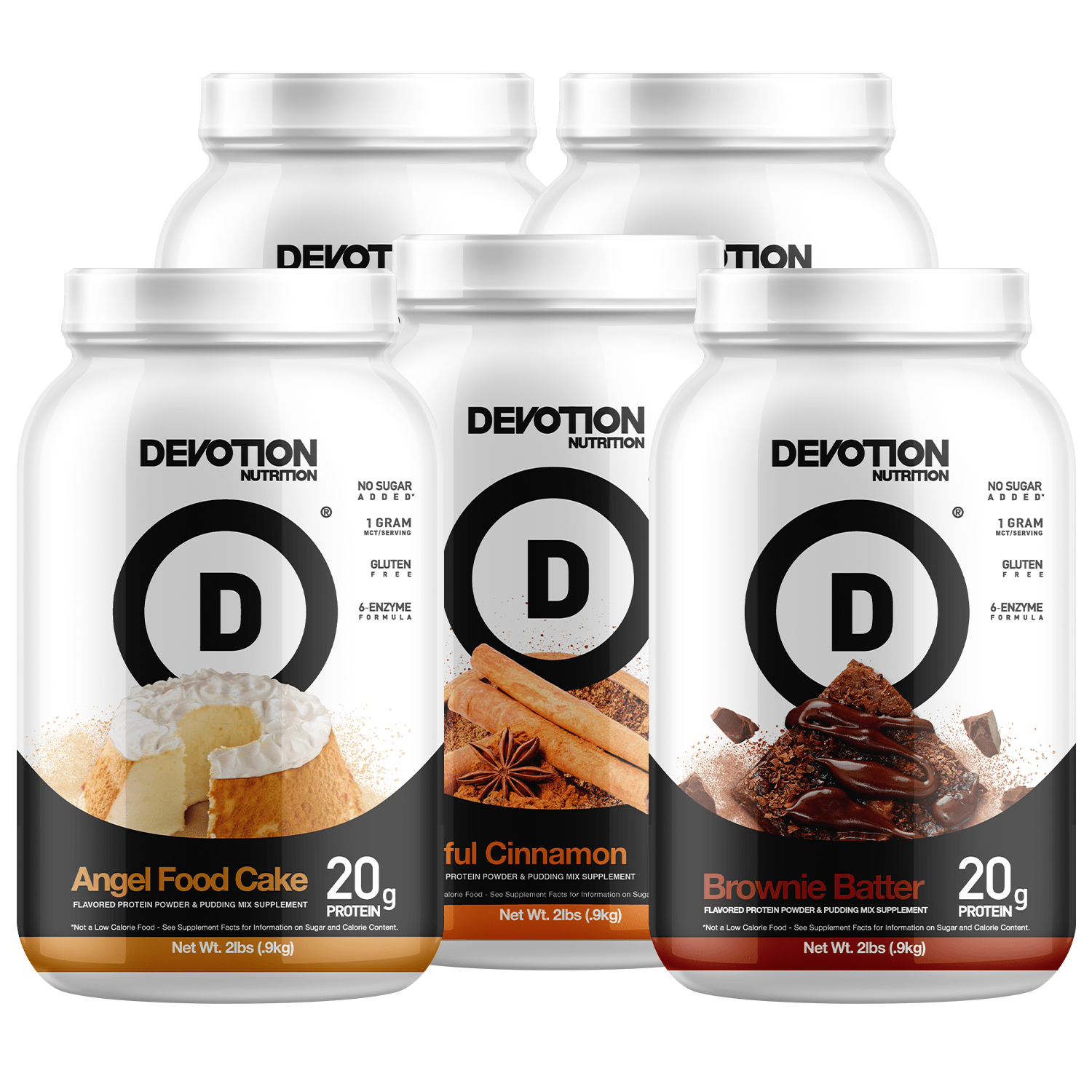
What makes Devotion Nutrition protein so incredible?
October 30, 2023
PARKLAND, FL- In the bustling world of health and nutrition, where trends come and go, there are individuals who stand out for their unwavering commitment to making a positive impact on people's lives. Dana Kaye, Founder and CEO of Devotion Nutrition, is one such individual. The Parkland resident's journey from a childhood fascination with fitness to becoming a thriving entrepreneur in the nutrition industry is nothing short of inspirational.
Click Here to Read More!
Dana Lynn Kaye | Blazing a Trail in the World of Nutrition
Dana Lynn Kaye | Blazing a Trail in the World of Nutrition
October 3, 2023
I am not a doctor or a dietitian or even a coach. This article is written by a normal woman, a mother of three, with a lifelong passion for fitness but a struggle with emotional and binge eating. I’m not going to throw out medical research or statistics but rather tell you a bit about my story. In reality, my story is completely connected to the reason Devotion Nutrition became a company in the first place, but let's go back way further.
I wasn’t the best student. Actually school was extremely difficult for me and often caused me to feel a lot of stress and anxiety. I can remember being as young as grade school, struggling with my homework but feeling relief when it came to snack time. Everyone needs to stop working for a snack break, right? Afterall, we need to eat to survive! Food became a comfortable escape for me at a young age. The more stress added up from school work and social pressures and the more sports I played, the more comforting food became. It was my “friend”. Food was always there and felt safe. It wasn’t uncommon for me to come home from a long day of school, after tennis practice and play practice, and polish off a few big bowls of cereal with a banana and milk with a few cookies before I even had dinner with my family! I don’t really know what happened but as my responsibilities as a young adult grew, so did my appetite. The more pressure I felt for performing well in school, being class president, being good at my sports and getting into college, the more I used food to escape the pressure and calm my nerves. Before I knew it, I added yet another pressure on myself, weight gain.
As I blossomed into a young woman I started to care how I looked in my clothes and noticed how my body compared to other girls. I knew I didn’t have a body that would ever be ‘skinny’, but I caught the bug for fitness and bodybuilding by the age of 17. I wanted to look the part too, like the women in the health and fitness magazines. This is when the world of “dieting” and exercise took on a whole new meeting. I had already been athletic since I was 12 but this was another level. Without a ton of knowledge about dieting available in 1997, I would try to eat like the suggested diets in magazines. These diets were often super low calories and consisted of a lot of chicken and broccoli and other bland foods. I got into doing cardio and lifting weights every day. The pressures of college and life (I was headed to school in Miami), were growing stronger. I could diet for days but after a few days of a pretty restrictive diet, I would turn to my old, reliable “friend” food again. I wouldn’t just eat a little something to take the edge off, I would indulge in super large portions of food while convincing myself “I deserved it”. After all, I exercised hard all week and we need food to survive! After consuming massive quantities of food, I felt awful so of course I hit my diet and training and cardio even harder. College school work was equally as stressful for me so after a few days, I was binging and indulging again. Most of the time it didn’t appear like a binge. It would be big meals out with friends after I taught spinning classes and large portions of sweets that I craved that stuffed me to the point of discomfort. This cycle went on for years. Weight was always my battle because this type of emotional and binge eating cycle never truly allowed me to lose weight. As a young woman I lacked the emotional maturity or education that came with what was happening. So the cycle continued because it was all I knew. I described it like a horrible roller coaster ride I couldn’t escape.
By the time I turned 21, I finally had no choice but to face my demons. I was a senior at the University of Miami and my parents announced after 25 years of marriage they were getting a divorce. Their divorce was extremely stressful and far from civil. I turned to food to comfort me. The dog I got in first grade and brought to college with me needed to be put to sleep. I was feeling pretty sad about that so I turned to food. A few nights after Valentine’s Day the guy I had been dating since freshman year was killed in a car accident driving to my house. I was completely shattered. I had never had to deal with the sudden death of someone that close to me. I used food to fill the void in my heart and ease my pain. I can remember sitting in bed, in the dark after his funeral, and my bed was covered in snack foods when the phone rang... It was a childhood friend calling to tell me my best friend since kindergarten was out running and was hit by a truck. She was airlifted and fighting for her life. My world felt so dark and out of control. I didn’t turn to alcohol or drugs to cope but once again I turned to food. At this point, I honestly didn’t even enjoy the food or taste the food. The food was self medication. In one month I gained 30lbs. I didn’t know how else to ease my pain and handle my emotions. Food was my “friend” and comfort but this was no longer a way to live.
I confronted my mother and said, “Mom, I need help.” My parents checked me into the Renfrew Center in South Florida. Therapy sessions were scheduled from the time I woke up until the time I went to sleep. I showed up at my first session and the very first thing the therapist said to me was, “Dana, it’s not about the food.” I looked straight at her and said, “What are you talking about? Yes it is! I love food! I need food!” This is when I discovered I was an emotional binge eater. This is when I realized my battle was going to be life long. The truth is we can’t escape food but we can learn to recognize when we are abusing food. Through therapy, I started to realize I was using food to avoid feeling stress, pain and discomfort. It wasn’t about the food! Of course I still love food and enjoy how food plays huge roles in our lives but food can’t control our lives and it’s not going to solve our problems. Being thin and lean didn’t solve my problems either. You know what solves my problems? Addressing them, facing them and handling them. I had to learn to recognize the times I felt stress and have “tools” In my tool box to cope with stress without the use of food.
These days I still feel a tremendous amount of stress from life. Most of us with busy lives, busy careers and children, just can not escape stress. I’m now a single mother after going through my own divorce, with three young children, a puppy, a home, new relationship and a business. Stress is almost a daily occurrence. At almost 41 years old I’m still pulling from my tool box. I have my mother and friends who allow me to openly vent and verbalize my stress without judging me, I journal and make lists. When I feel a binge coming on, I get out of the kitchen and go outside to walk the dog. I consistently take yoga to help calm my nerves and clear my mind. I have recognized foods that can be triggers for me and I won’t even keep them in the house.
Just recently I took my children to a restaurant for dinner. I was already having a high stress day. The kids were acting up and my nerves felt shot. Just looking at the menu options made me anxious. The lack of healthy options made me recognize that a binge could happen if we stayed so I actually asked my children to get up and leave. We quickly chose a healthier restaurant where I could get a big salad and feel satisfied without feeling the guilt of a stress filled binge. This might sound extreme but these are things I must do to preserve my physical and mental health.
Devotion Nutrition didn’t come along and launch to the public until I was 35 yrs old but the products were invented years before because I knew it wasn’t going to be realistic for me to always run from food. I needed a solution to not feel deprived. I didn’t want to always have to say “NO” to my daily sweet tooth. I believe we should be able to have a delicious morning latte without the sugar and calories. I want to make pancakes and waffles and have a big soft serve protein ice cream without always feeling guilty. I knew if I didn’t ever feel deprived, there was less of a chance I would binge. Devotion protein was my answer! It has truly been my solution to staying on track and controlling my cravings and binges. Plenty of mental and emotional work went into my recovery but Devotion is a huge part of my tool box. Now, being able to help other people with these products has now been my passion. Every time I get an email or direct message from someone who has achieved their goals with the help of Devotion, it reminds me that the tough road I took to get here has been completely worth it. Being able to help others stay devoted to their health and goals is my mission. #UntilItsDone
Dana Lynn Kaye, Founder & Owner of Devotion Nutrition
Are you an emotional eater?

Are you an emotional eater?
April 20, 2023
For more information on healthy nutrition and supplements, visit Devotion Nutrition to explore our full range of products and tips.
SoFlo Health Segment on Local 10 WPLG

SoFlo Health Segment on Local 10 WPLG
September 22, 2022
It’s funny how divisive we’ve become lately in everything it seems. Just this week I witnessed a heated discussion between two people about what’s better when it comes to fat loss - meal plans or macros?
One person insisted that going off of a meal plan was “restrictive” and “disordered” and would lead to an eating disorder. The other person quickly shot back that going off of macros is equally “restrictive” and if not more so because it’s “borderline obsessive.”
Woah, woah, woah, let’s hold up a bit here people! Speaking strictly on comparing these two dieting approaches, let’s take the feelings out of it and instead look at what the science says.
When a macro based diet was compared to a meal plan diet, it was found that they were both equally effective for fat loss. Both diets were equal in calories and protein intake and the study was conducted over 10 weeks. (Ref PMID 34187492)
Both of these dieting techniques are simply methods towards an individual's various goals. We must keep in mind that we are all individuals and not every methodology will work for every individual - we aren’t one size fits all!
Using myself as an example, I am a meal plan person. For so many reasons meal plans work better for me. I am a busy, single mom, business woman, athlete, entrepreneur, and I do not have the capacity to think about what I’m going to eat. This is where having a coach that writes my meal plans for me is the most effective and impactful way to keep me on track towards my goals. I don’t have to think about it! At the grocery store, I know exactly what to get. I measure out and prepare my meals and am done.
NOW, a meal plan approach for someone else could be seen as very rigid and restrictive. In which case, that approach wouldn’t work for that individual.
There are some that prefer macros because they need more flexibility. Some enjoy tracking and making the puzzle pieces fit together each day, almost like Tetris.
There are some individuals that do BOTH meal plans and macros for days they need to eat out for work or travel or whatever.
So, which is BETTER when it comes to fat loss specifically?! NEITHER. They are both equal.
You know what else is so great?! You can use Devotion products for BOTH dieting approaches!
I’ve used all of the Devotion Nutrition products while on my strict diets for the bodybuilding shows that I do. It always fits well into my plans, hits my protein targets, and quite frankly tastes GREAT.
Devotion Nutrition products also work well for macro based, or flexible dieting plans. I’ve got a host of clients that use the protein for baking bars and cakes and breads and so much more!
The key is to find an approach that is just as unique and individual as you are. If you’re having a hard time figuring that out, I highly suggest hiring a coach.
Meal plans or macros... What's better?
Meal plans or macros... What's better?
September 21, 2022
I think we all would like to know the magic solution for breaking bad habits. We all have them, we can recognize them in ourselves, and oftentimes we really want to change them or break them but perhaps are unsure of how.
First, let's talk about why certain habits are formed. Habits are oftentimes coping mechanisms that are formed from us wanting to feel good.
We know that the prefrontal cortex of the brain governs rational thinking and decision making. While another region of the brain, the basal ganglia, houses the reward-based learning system. Plain English? One part of our brain tells us to order the nutrient dense grain bowl, while the other part of our brain says to 'treat yo self' and have the burger. OR another way of saying it, one part of our brain tells us a deadline is looming and to write that weekly newsletter article, while another part of our brain is saying 'binge scroll through Instagram!'
In ancient times, these two parts of the brain worked well together in certain situations. Think of the hunters and gatherers. When food was scarce and they saw berries, it triggered the behavior to eat the food, and the rewarding feeling came from survival - they didn't die.
The hard part is that our brains still very much function in that way. It's called a habit loop, which is the three-parts that start with the trigger, the behavior, and then the reward.
Ok, so how do we replace the old habits with newer, more desirable, and/or healthier ones?
Here are some science backed strategies for you to try:
Find ways to make it easier for you to succeed. Here's an exercise example, analytics show us that people are more likely to workout if they have to travel shorter distances to get to the gym. So in this example, if the changed behavior is that you want to get to the gym three times a week, this strategy would suggest finding a fitness facility that is either closer to your home or your place of work.Think of it this way - this strategy is trying to minimize the boundaries (real or perceived) for the behaviors we do want, while increasing the boundaries for the behaviors we don't want.
Repeat until it becomes autopilot. Let's say you find yourself always reaching for that bowl of ice cream when you get home, your brain has been trained to do that overtime with that becoming a habit. Research suggests that different behaviors tend to require different amounts of repetition before becoming automatic. So try adding the new behavior onto one that is more neutral. Using the ice cream example, after you come home and put your keys down and take the dog out, meditate for five minutes, and make a bowl of Devotion fluff instead with the Brownie Batter or Angel Food Cake. Whatever it is that you want to replace the old habit with, try pairing it with something you do repetitively already that does not need changing.
Make it a game. This is essentially turning a task into something fun in order to encourage yourself. You know when you're walking and you hear someone walking behind you, so you speed up your pace because ain't no way that person is going to beat me... or is that just me? It's the same function in your brain. There are apps that use this technique - like Zombies, Run, which tricks you into interval training by challenging you to outrun zombies. Whatever it is, it's finding your sticker chart reward that gives you that carrot approach to changing the habit.
Pause and face it! This is a strategy I use myself and often coach my clients on. It is rooted in mindfulness. It involves stopping the moment the urge hits, physically stopping if you need to, and asking yourself why you're doing it. Do you really need that? Do you really want that? Why are you really doing that? Write it down if you have to. It forces you to stop and not allow your brain to go on autopilot and the next thing you know, you're three sleeves deep into a package of Oreos. It's essentially getting curious about yourself and your behaviors and realizing you have the power to face them head on and change them.
Another great strategy for changed behaviors is to hire a mentor or a coach. I work with clients as both a mentor and coach. However, understand that YOU will be the one that has to ultimately do the work. Your trainer, coach, or mentor can't be with you 24/7 to force you to hit the gym, slap the pizza out of your hand, or tell you to turn off your phone and write your report.
Create your own routines too! A solid morning routine to start the day and nighttime routine to set yourself up for success with proper rest and recovery. My morning routine always starts the same with my morning cardio. After my cardio I fill a shaker to the brim with water, add a shot of apple cider vinegar, and a scoop of GI Tranquility, then down the rest of my supplements. My nighttime routine is pretty dialed in too. After I get my daughter to bed, I wash my face, take out my contacts, and make my “nighttime sleepy slushy.” My slushy is a scoop of PM Sleep Recovery, a bunch of ice, a little water, and blended into slushy consistency. I lay down in bed and read while eating my nighttime sleep slushy and doze off. YOU have the power to create positive habits too!
Ultimately we all have habits that were formed to protect us, to make us feel better, and to help us cope with life situations. These habits aren't always the healthiest for us mentally, emotionally, or physically. Having bad habits doesn't make you a bad person. So let's work to be the best people we can be, recognize these habits, and change them!
Breaking Bad Habits & Accountability

Breaking Bad Habits & Accountability
August 1, 2022
5 Things YOU NEED to Cultivate Total Wellness

5 Things YOU NEED to Cultivate Total Wellness
July 14, 2022
2/26 FONTANA, CA
3/12 PHOENIX, AZ
NEW 3/19 ATLANTA, GA
5/28 CHARLOTTE, NC
6/25 NASHVILLE, TN
7/16 LOUDON, NH
10/15 LAS VEGAS, NV
10/22 MIAMI, FL
2022 Schedule

2022 Schedule
March 2, 2022
No results found for .
